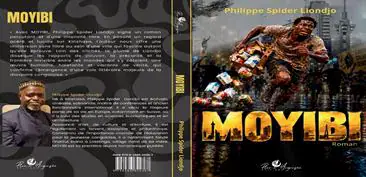
Congolese writer Philippe Liondjo's novel "Moyibi" was inspired by a chance encounter near his home in Kinshasa. He heard a cry for help one evening, followed by a crowd chasing someone. This incident sparked the idea for his story, which explores themes of social inequality and human suffering in the capital city. Liondjo's novel is set in Kinshasa, a city he considers a rich source of stories, human experiences, and social paradoxes.
The author views Kinshasa as more than just a setting for his story - it's a character in its own right. He highlights the city's contrasts, from wealth and opulence to poverty and human suffering. Liondjo also notes the complex relationships between different socio-economic groups in Kinshasa, including the rich, the poor, and the middle class. This blend of cultures and experiences informs the narrative of "Moyibi".
The title of Liondjo's novel, "Moyibi", which translates to "thief" in French, reflects his exploration of the concept of theft. He argues that theft takes many forms, from stealing to survive to exploiting others for personal gain. Liondjo believes that theft can also be a form of emotional or psychological exploitation, depriving individuals of their dignity, freedom, or future.
Liondjo emphasizes the importance of reading and literature in shaping young people's intellectual and critical thinking skills. He encourages Congolese youth to develop a love for reading across various genres, including novels, essays, and scientific works. By doing so, they can gain a deeper understanding of the world and develop the tools to navigate their environment.
The author sees reading as a fundamental aspect of education, essential for acquiring knowledge and interpreting the world. He believes that a culture of reading can help young people resist intellectual manipulation and develop their critical thinking skills. Liondjo's advocacy for reading and literature reflects his commitment to empowering the next generation.
Liondjo's work offers a nuanced exploration of Kinshasa's complexities and contradictions. His novel "Moyibi" provides a unique perspective on the city's social and economic realities. Through his writing, Liondjo aims to inspire reflection and discussion about the challenges facing Congolese society.
Philippe Liondjo's "Moyibi" is a thought-provoking novel that explores the human condition in Kinshasa. The author's use of the city as a character in its own right adds depth and complexity to the narrative. By examining themes of social inequality, human suffering, and the importance of reading, Liondjo offers a compelling and insightful work of literature.
Key points
- The novel "Moyibi" was inspired by a chance encounter in Kinshasa, highlighting the city's complexities and contradictions.
- Liondjo sees reading and literature as essential tools for intellectual and critical thinking development.
- The author explores themes of social inequality, human suffering, and the concept of theft in his novel.
Reporting sources
- RDC : un cri entendu à Kinshasa à l’origine du roman ‘‘Moyibi’’ · Congolese press agency