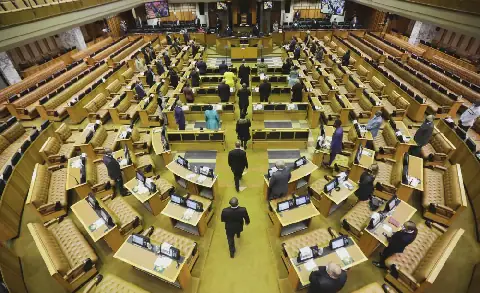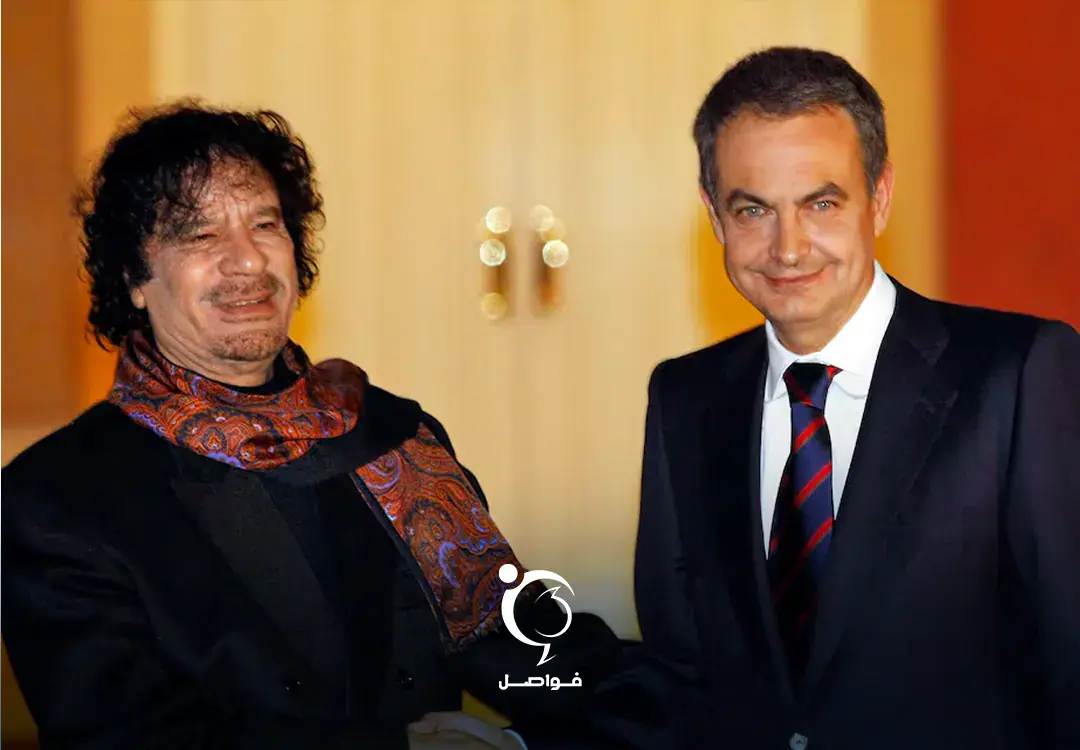
The 2011 Libya war has resurfaced in Spain's political debate, with Alberto Núñez Feijóo, leader of the People's Party, criticizing Prime Minister Pedro Sánchez for his past support of the military intervention. During an electoral debate on November 19, Feijóo pointed out that Sánchez, then a socialist deputy, voted in favor of the military operation in Libya. This vote took place on March 22, 2011, when the Spanish parliament approved participation in the military operations in Libya.
According to reports from the Spanish newspaper "Ás", Sánchez's vote was part of a majority decision, with 336 votes in favor, 3 against, and 1 abstention. The vote was supported by both the Socialist and Popular parties. Spain's participation in the operation included deploying 413 military personnel, four F-18 fighter jets, refueling aircraft, a frigate, and submarines to support the no-fly zone and monitor navigation off the Libyan coast.
Spain's military contribution to the international operation involved 184 air patrols by Spanish F-18 fighter jets. Additionally, Spanish refueling aircraft provided over 1.77 million liters of fuel to NATO fighter jets. The total cost of Spain's participation was reported to be around 43 million euros by June 2011. The international operation began on March 19, 2011, and concluded on October 31, 2011, following the fall and killing of Muammar Gaddafi in Sirte.
The operation's leadership was transferred to NATO, marking a significant international effort to intervene in the Libyan conflict. Fifteen years after the event, the Spanish involvement in the Libya war has become a point of contention in the country's political landscape. The issue was brought up during an electoral debate, highlighting the lasting impact of past decisions on current political discourse.
The debate between Feijóo and Sánchez underscores the ongoing relevance of past political decisions in contemporary Spanish politics. The discussion reflects how historical events, such as the intervention in Libya, continue to influence political narratives and strategies. This incident demonstrates that in Spain, as in many countries, past actions can have lasting repercussions on political careers and public opinion.
The resurfacing of the Libya war in Spanish politics also raises questions about the country's foreign policy and military interventions. It highlights the complexities of international relations and the challenges of making decisions that have long-term consequences. As Spain continues to navigate its role in global affairs, past experiences, such as the Libya intervention, serve as important reference points for political leaders and the public.
The controversy over the 2011 Libya war involvement showcases the dynamic nature of political memory and its role in shaping current political debates. As political leaders engage in discussions about past decisions, they must also consider the implications of these decisions on their political present and future. This incident illustrates the interconnectedness of past actions and current political realities in Spain.
Key points
- Spain's involvement in the 2011 Libya war has become a political issue again, with leaders debating past decisions and their implications.
- The operation involved significant military contributions from Spain, including 413 personnel and 184 air patrols by F-18 fighter jets.
- The debate highlights the lasting impact of historical events on contemporary political discourse in Spain.
Reporting sources
- من البرلمان إلى المناظرات.. حرب ليبيا 2011 ورقة في الصراع السياسي الإسباني · fawaselmedia.com