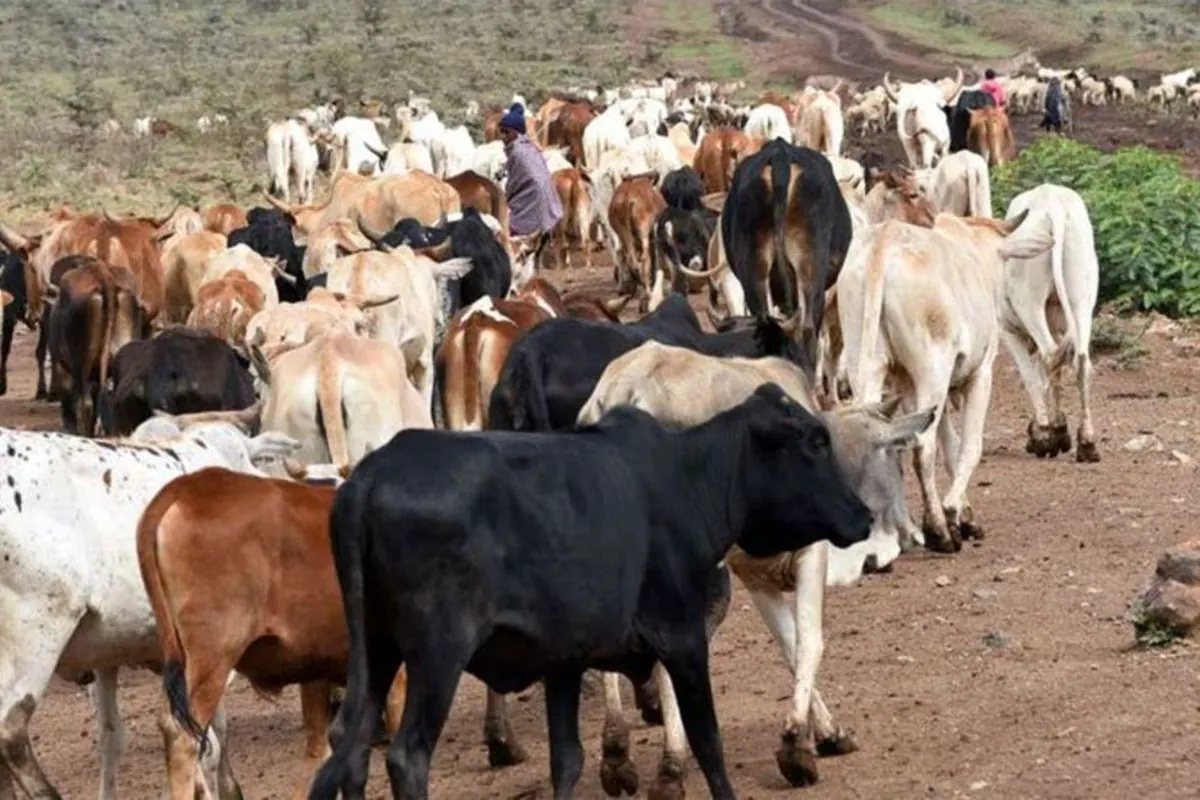
Today, September 21, marks a decade since Kenya's Community Land Act came into force, giving effect to a constitutional promise of stronger land rights for communities. The Act aimed to secure land tenure for communities, particularly pastoralists, whose livelihoods depend on shared access to rangelands, water points, grazing areas, livestock corridors, and dry season reserves. Despite this, the promise of secure land rights remains unfinished for many pastoralists.
The issue of community land rights extends beyond land ownership, as Kenya's drylands support most of the country's livestock and provide critical wildlife habitats. These areas are also attracting significant investment in conservation, renewable energy, tourism, and carbon projects. However, without secure community land rights, local people risk being excluded from benefiting from these opportunities. Community land tenure allows communities to manage shared resources, develop drought mitigation plans, and invest collectively in restoring degraded landscapes.
The Community Land Act has the potential to open up opportunities for communities to participate in carbon credit projects and benefit from the growing carbon economy through shared governance. However, progress has been slow, with only about 7% of land eligible for formal community tenure registered so far. About 60% of Kenya's land is occupied by Indigenous Peoples and local communities, but many still lack secure land rights. This has significant implications for their livelihoods and ability to manage their lands effectively.
A coalition of advocacy groups, supported by Namati, has launched the Sajili Ardhi Ya Jamii campaign, which aims to register all community land by 2030. The campaign is gaining momentum, with growing recognition of the need for faster registration of community land. Pastoralists are calling for their voices to be heard in decisions affecting their lands and livelihoods, and for direct and equitable access to land restoration and climate finance.
The Global Pastoralist Gathering in Ulaanbaatar, Mongolia, held alongside the United Nations Convention to Combat Desertification COP17, highlighted the importance of secure land tenure for pastoralists. The Ulaanbaatar Declaration called for pastoralists to have a stronger voice in decisions affecting their lands and livelihoods. Mali Ole Kaunga, founder and executive director of IMPACT Kenya, emphasized the need for commitments to translate into faster action on secure land tenure, pastoral mobility, rangeland restoration, and community resilience.
In Kenya, the Ministry of Lands and the National Land Commission have a critical role to play in accelerating community land registration. Agencies overseeing climate and conservation programmes must ensure that investments respect community rights and deliver transparent benefits. As attention shifts from the land COP to the upcoming biodiversity and climate COPs, Kenya has an opportunity to align its domestic actions with its international commitments.
The next steps for Kenya will be crucial in determining the fate of community land rights. With the right policies and actions in place, pastoralists can protect their lands and livelihoods, and benefit from emerging opportunities in conservation, renewable energy, and carbon projects. The experience of the past decade highlights the need for a more concerted effort to secure community land rights and ensure that local people are not left behind.
Key points
- Pastoralists are calling for secure land tenure, direct access to land restoration and climate finance, and a stronger voice in decisions affecting their lands and livelihoods.
- Only 7% of land eligible for formal community tenure has been registered in Kenya so far.
- The Sajili Ardhi Ya Jamii campaign aims to register all community land in Kenya by 2030.