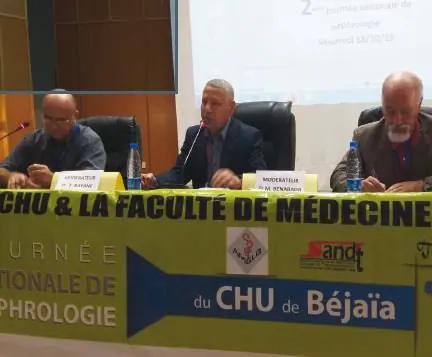
The 2nd National Nephrology Day was recently held at the Aboudaou campus in Béjaïa, Algeria, with the aim of addressing the growing concern of chronic kidney disease in the country. The event, organized by the Béjaïa University Hospital Center (CHU) in collaboration with the Béjaïa Faculty of Medicine and the Local Association of General Practitioners (AMGLB), brought together a dozen professors of nephrology from various universities. The meeting focused on discussing ways to prevent and manage kidney disease, which is a significant burden on patients and the healthcare system.
According to Professor Rayane of the Parnet University Hospital Center in Algiers, approximately 30% of chronic kidney disease cases can be prevented with effective management. This can lead to a significant reduction in costs, estimated at 6 million euros. The economic burden of kidney disease is substantial, with an annual cost of 200 billion Algerian dinars (approximately 200 million euros) for hemodialysis treatment alone. The number of patients undergoing dialysis in Algeria has reached 24,000, with 1,000 patients in Béjaïa.
The healthcare professionals emphasized the importance of prevention and early intervention in managing kidney disease. Professor Boubechir, head of the nephrology department at the Béjaïa CHU, stressed that it is essential to address the causes of kidney disease that can be prevented, such as excessive salt, sugar, and medication consumption. He also highlighted the need for a multidisciplinary approach to managing kidney disease, involving not only nephrologists but also other healthcare professionals.
The event also focused on the importance of rational prescribing practices, particularly when it comes to antibiotics and anti-inflammatory medications. Dr. S. Kherraz, a nephrologist at the Béjaïa CHU, warned that the misuse of these medications can lead to an increase in kidney disease cases. Additionally, Dr. F. Saidi of the Béjaïa CHU discussed the need for treatment and diagnosis of kidney disease, as well as the management of related symptoms such as anemia.
Mental health professionals also participated in the event, highlighting the psychological impact of chronic kidney disease on patients. Professor Adja, a psychiatrist at the Béjaïa CHU, emphasized the importance of addressing depression in patients with chronic kidney disease, as it can complicate treatment and management. The event featured presentations on various topics related to kidney disease, including nephrocalcinoses, renal toxicity, and post-operative acute kidney injury.
The 2nd National Nephrology Day provided a platform for healthcare professionals to share knowledge and best practices in managing kidney disease. The event concluded with a call for increased awareness and prevention of kidney disease, as well as the need for a multidisciplinary approach to managing the condition. The organizers hope that the event will lead to improved healthcare outcomes for patients with kidney disease in Algeria.
The CHU de Béjaïa and its partners plan to continue promoting awareness and education on kidney disease through similar events. By working together, healthcare professionals aim to reduce the burden of kidney disease on patients and the healthcare system, and improve the overall quality of life for those affected.
Key points
- 30% of chronic kidney disease cases in Algeria can be prevented with effective management.
- The annual cost of hemodialysis treatment in Algeria is approximately 200 million euros.
- There are currently 24,000 patients undergoing dialysis in Algeria, with 1,000 patients in Béjaïa.