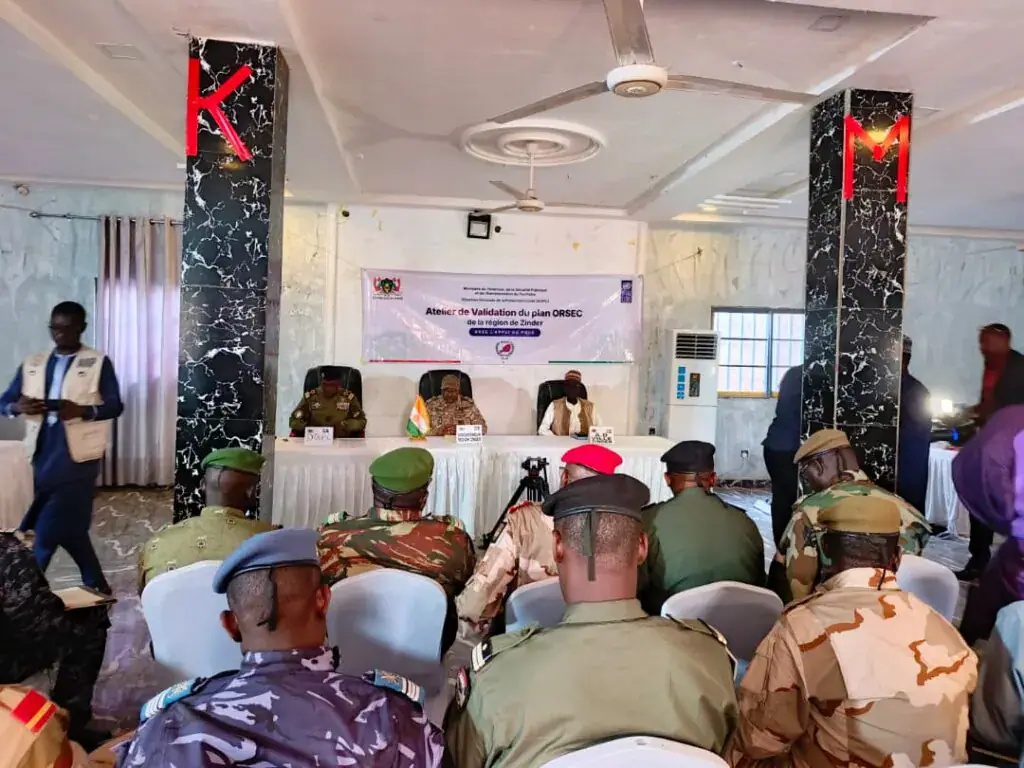
The Zinder region in Niger has taken a significant step towards bolstering its disaster preparedness and response capabilities with the unveiling of its Plan d'Organisation régional des Secours (ORSEC). The plan, presented by Colonel Massalatchi Mahaman Sani, the region's governor, aims to provide a comprehensive framework for anticipating and responding to emergencies and disasters. Developed with the support of the United Nations Development Programme, the plan is expected to serve as a blueprint for coordinating responses and mitigating the impact of disasters.
The region of Zinder is prone to various risks, including floods, droughts, heatwaves, epidemics, fires, and major accidents. These disasters have the potential to disrupt the lives of the population, damage infrastructure, and impact the local economy. In 2024, the region experienced severe flooding that resulted in 70 fatalities, 49 injuries, and the loss of over 8,500 heads of livestock. A total of 39,415 households, affecting 288,397 people, were impacted by the disaster. These statistics underscore the need for a robust emergency response plan.
Colonel Massalatchi Mahaman Sani emphasized that the ORSEC plan is not just a technical document but a strategic and operational tool that represents the region's commitment to disaster preparedness. He stressed that the plan's success depends on a collective approach, requiring the participation and solidarity of all stakeholders. The governor highlighted the importance of the plan in the context of Niger's efforts to consolidate its sovereignty and address the challenges posed by climate change, health crises, and security threats.
The ORSEC plan provides a framework for organizing and coordinating responses to disasters, defining the roles and responsibilities of regional, departmental, and local authorities. It also establishes a collaboration mechanism between public and private actors. According to Colonel-major Bako Boubacar, Director General of Civil Protection, the plan is grounded in the legal framework provided by Law No. 2017-06 and its implementing decree.
The development of the ORSEC plan is part of a broader effort to strengthen disaster risk management in Niger. The plan's launch follows a series of initiatives aimed at enhancing the country's preparedness and response capabilities. In August 2025, heavy rainfall in Zinder resulted in significant damage and loss of life, prompting a response from the government and humanitarian agencies.
The two-day workshop that validated the ORSEC plan brought together various stakeholders, including government officials, humanitarian agencies, and local communities. Participants reviewed and refined the plan, ensuring that it is adaptable, effective, and responsive to the region's specific needs. The plan is expected to be implemented in the coming months, with support from development partners.
The successful implementation of the ORSEC plan will depend on the commitment and collaboration of all stakeholders. The plan's impact will be closely monitored, and its effectiveness evaluated to identify areas for improvement. By investing in disaster preparedness and response, the Zinder region aims to reduce the risks associated with disasters and promote sustainable development.
Key points
- The ORSEC plan aims to enhance disaster preparedness and response in the Zinder region.
- The plan was developed with the support of the United Nations Development Programme.
- The region of Zinder is prone to various risks, including floods, droughts, and heatwaves.