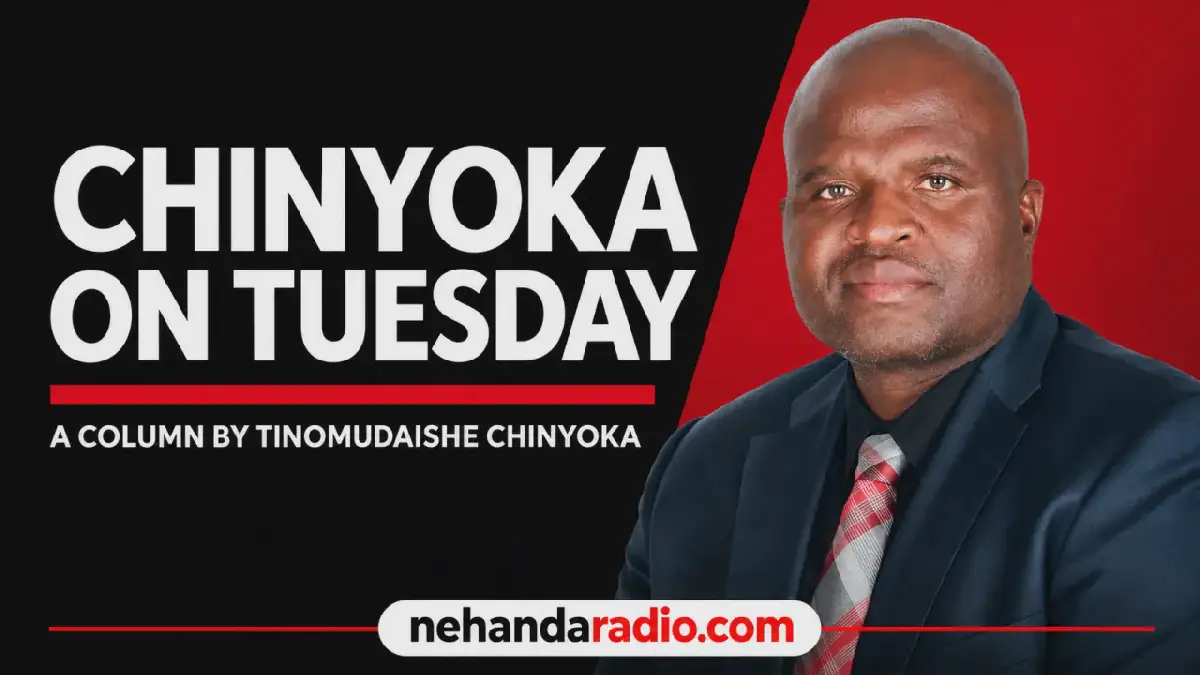
Zimbabwean advocate Tinomudaishe Chinyoka has spoken out against Harare's proposed $818.3 million municipal budget, arguing it could exacerbate the struggles of low-income families during a potentially devastating drought. The budget, which focuses on "infrastructure renewal" and "revenue mobilisation," has been criticized for effectively outlawing survival strategies that poor families may need. Chinyoka draws parallels with the 1992 drought, when over five million rural people relied on government handouts and over a million cattle died.
During the 1992 drought, urban residents turned to informal economy activities, such as growing vegetables and raising backyard poultry, to survive. However, the proposed budget and recent bylaws, including Statutory Instrument 120 of 2019, may restrict these activities. The bylaws limit the number of chickens residents can keep and impose harsh penalties for attempting to slaughter or sell meat outside certified facilities. Chinyoka argues that this approach is cruel and ignores the reality of Zimbabwe's economic situation.
The Public Health By-laws, which the city is aggressively enforcing, cap residents in high-density suburbs to 25 chickens. Exceeding this limit can result in confiscation, storage fees, and disposal of the chickens. Additionally, attempting to slaughter chickens outside certified facilities or selling meat without a license can lead to a Level 5 fine or up to a year in prison. This has raised concerns about the city's priorities and its treatment of low-income residents.
The proposed budget also includes increased fees for shop licenses, hairdresser licenses, and non-food hawker fees. These changes may further burden small traders and retailers who provide essential goods to the community. Chinyoka argues that instead of supporting these informal traders, the council is treating them as cash cows. The city's actions have sparked concerns about its commitment to supporting vulnerable populations.
In response to criticism, the city fathers point to the allocation of $369.5 million to water, sanitation, and hygiene. However, Chinyoka and others argue that this does not offset the negative impacts of the budget on low-income families. The city's approach has been criticized for ignoring the lessons of history and failing to provide adequate support to those who need it most.
The situation in Harare highlights the challenges faced by cities in Zimbabwe and the need for effective and responsive governance. As the country prepares for a potentially severe drought, the city's budget and policies will have a significant impact on the lives of its residents. The debate over the budget and its implications is likely to continue, with advocates like Chinyoka pushing for a more equitable and supportive approach.
The Harare municipality's proposed budget has sparked a necessary conversation about the city's priorities and its commitment to supporting vulnerable populations. As the city moves forward, it will be essential to consider the concerns of residents and advocates like Chinyoka, who are pushing for a more equitable and responsive approach to governance.
Key points
- The proposed budget's impact on low-income families and its restrictions on informal economic activities have sparked concerns about the city's priorities and its commitment to supporting vulnerable populations.