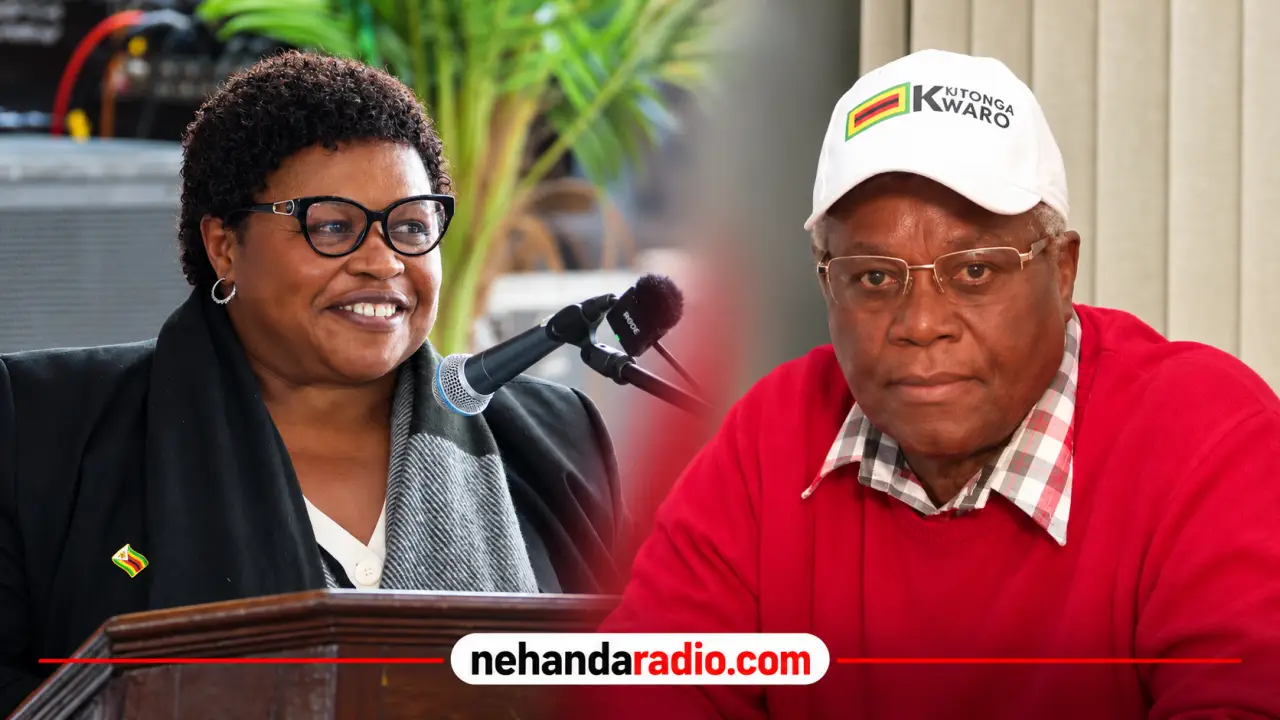
A Zimbabwean High Court has ruled that former Local Government Minister Ignatius Chombo will retain only 55% of the economic rights and benefits arising from the 99-year lease on the 3,099-hectare Allan Grange Farm. His ex-wife, Marian Chombo, who serves in President Emmerson Mnangagwa's government as Minister of State for Mashonaland Central Provincial Affairs and Devolution, was awarded 45% of the leasehold value. The court judgment marks another reversal for the once-powerful Zanu PF politician, who was expelled from the ruling party after the 2017 military takeover.
The dispute over the farm, which remains government property, centered on the distribution of the financial rights and benefits attached to its registered long-term lease. Chombo and Marian entered into a customary union in 1985 and later solemnized their civil marriage in May 1993. The couple began divorce proceedings in 2009, which were concluded on August 31, 2012. However, they failed to agree on the distribution of the Allan Grange lease, leading to a court battle.
The 99-year lease on the Allan Grange Farm was registered in May 2007, during their marriage, through a Notarial Deed of Lease. The Supreme Court previously confirmed that the farm belonged to the State but returned the matter to the High Court to determine and distribute the value of the leasehold rights equitably. Chombo had argued that the farm had little or no positive value when the marriage ended due to heavy debts incurred during its operation.
Chombo claimed that he assumed responsibility for the farming debts and liabilities attached to machinery, lorries, and other movable assets following the divorce. He also stated that Reserve Bank of Zimbabwe loans were repaid in 2018. However, Justice Phillips was not persuaded, finding that Chombo failed to provide sufficient documentary evidence demonstrating the full extent of the liabilities and their effect on the lease's net value.
Marian, on the other hand, presented a sharply different account, telling the court that she had played a central role in acquiring, developing, and managing the farm. She claimed that both spouses applied for the property and that she helped complete the necessary paperwork. Marian also stated that she managed the farm's daily operations, including wheat, soya, and commercial maize production, as well as poultry, beef, and dairy projects.
Justice Phillips accepted that Marian had made substantial contributions and found that the former spouses had effectively operated as farming partners. The court adopted an equal division as its starting position after finding that Marian's contribution justified half of the leasehold benefits. Her share was then reduced by five percentage points to recognize the farming liabilities Chombo carried after their separation.
The final distribution gives Chombo 55% and Marian 45% of the value attached to the lease. Marian will also remain in the farmhouse she has occupied since the divorce. The court directed that the portion representing her entitlement must include the farmhouse and its surrounding area. Both parties were ordered to pay their own legal costs.
Key points
- The court ruled that the financial rights and benefits attached to the Allan Grange Farm's lease are matrimonial assets capable of division, despite the farm itself being government property.
- Marian Chombo's contributions to the farm's acquisition, development, and management were recognized by the court, justifying her 45% share of the leasehold value.
- The judgment highlights the complexities of Zimbabwean matrimonial law, which recognizes both direct financial contributions and indirect contributions, such as managing family enterprises.