The Constitutional Court of Zimbabwe has postponed hearings into two legal challenges against Constitutional Amendment No. 3 (CAA3) to allow the cases to be heard by a reconstituted bench. The hearings, initially scheduled for November 11, have been moved to November 18 following concerns raised during a case-management meeting involving the parties and Deputy Chief Justice Elizabeth Garwe. The court sought to establish whether the parties were comfortable proceeding with judges whose appointments could be affected by the constitutional provisions under challenge.
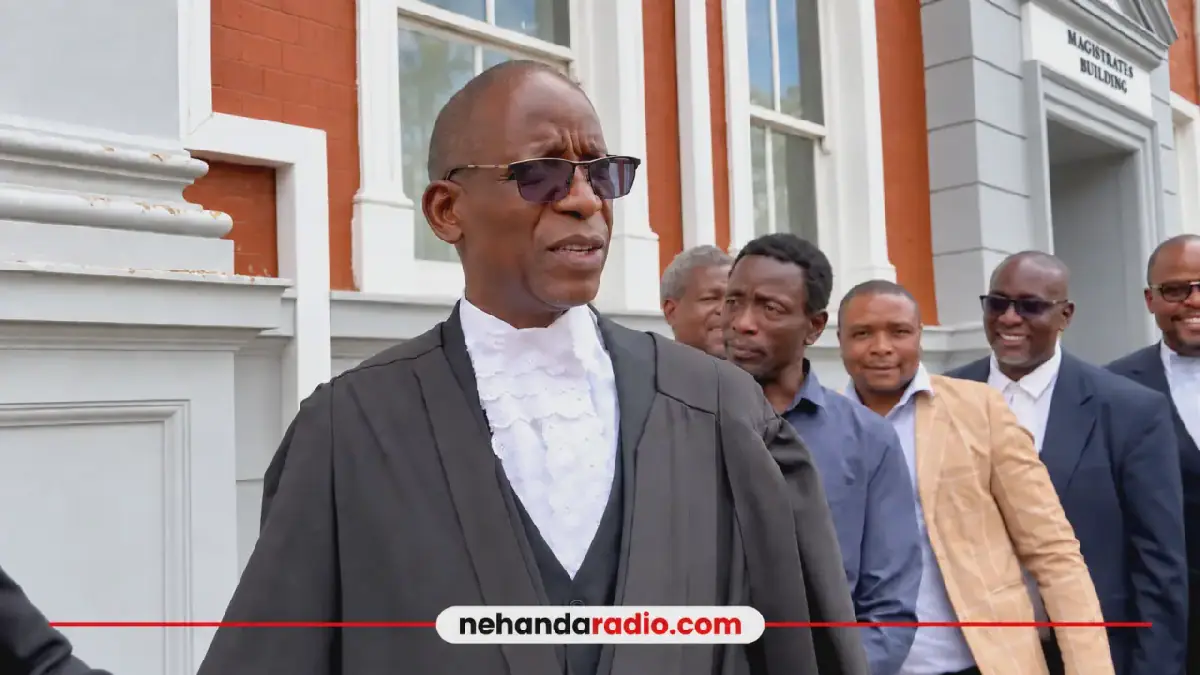
Constitutional law professor Lovemore Madhuku, representing the applicants, explained that the court wanted to determine whether the parties had any objections to the participation of additional judges appointed following the constitutional amendment that increased the number of Constitutional Court judges. However, Madhuku said the applicants were uncomfortable with the expanded bench because its composition was itself among the issues being challenged. The applicants had a problem with the judges going beyond seven, which is also part of the matter being contested.
Following discussions, the parties agreed that the cases would proceed before the court's previous composition, with Justice Guvava remaining on the bench following the retirement of former Chief Justice Luke Malaba. Madhuku said it was an agreement between them and the court that they proceed next week on Wednesday with the bench as it was before the amendment, with only the addition of Justice Guvava. The applicants had no problem with Justice Guvava's participation.
The two applications, brought by former opposition legislator Prince Dubeko Sibanda and National Constitutional Assembly member Vhurande Mahlupeko, raise different constitutional objections to CAA3, which was signed into law by President Emmerson Mnangagwa in July 2026. Sibanda is challenging provisions that extend presidential and parliamentary terms from five to seven years, particularly their application to individuals already holding public office.
Madhuku explained that Sibanda's application centres on whether the extended presidential term can legally apply to a sitting President. The application is based on Section 328(7) of the Constitution, which prohibits constitutional amendments extending the period a person may remain in public office from benefiting incumbents. This challenge questions the validity of the amendment as it applies to President Mnangagwa's current term.
Mahlupeko's challenge questions the procedure followed in enacting the amendment, arguing that some provisions eventually included in the final legislation were absent from the original Gazette notice that initiated the public consultation process. The application raises questions about whether the public was given a meaningful opportunity to contribute to provisions that were introduced after the initial notice was published.
CAA3 has significantly strengthened President Emmerson Mnangagwa's hold on power by extending the presidential term from five to seven years, effectively allowing him to remain in office until 2030. The amendment also abolishes direct presidential elections, transferring the responsibility of choosing the Head of State to a joint sitting of the Senate and National Assembly. Critics argue that these changes weaken democratic participation and constitutional protections.
Key points
- The Constitutional Court of Zimbabwe has postponed hearings on two legal challenges against CAA3 due to a dispute over the composition of the bench.
- The applicants, represented by Professor Lovemore Madhuku, objected to judges appointed under the expanded composition of the Constitutional Court.
- The cases will resume before a reconstituted bench on November 18, with Justice Guvava remaining on the bench.