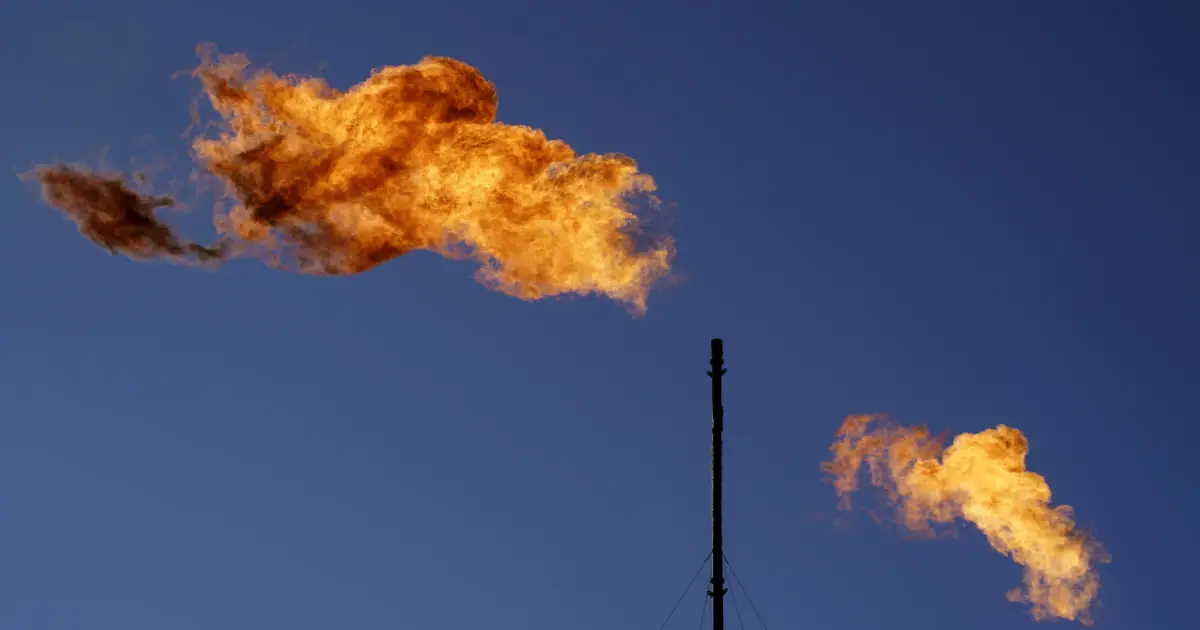
The Trump administration has proposed rolling back a Biden-era rule aimed at reducing methane emissions from the oil and gas industry in the United States. Methane is a potent greenhouse gas, estimated to be 80 times more planet-warming than carbon dioxide over a 20-year period. The proposed changes, announced by President Trump while campaigning in Lubbock, Texas, are intended to save the industry billions in production costs and encourage more domestic drilling.
The oil and gas industry, which had opposed the 2023 rules, welcomed the proposed rollback, saying it would address some of the challenges companies faced in complying with the regulations. Dustin Meyer, vice president at the American Petroleum Institute, said the industry looks forward to working with the Trump administration on a more workable approach that supports American energy production and advances emissions reductions.
Environmentalists, however, are concerned that the rollback could end up costing the industry more in the long run. Jon Goldstein, associate vice president at the Environmental Defense Fund, argues that capturing more natural gas and reducing leaks can offset costs. He also warns that the proposal could harm energy security and taxpayers who could miss out on royalty and tax revenue from wasted gas.
One of the regulations the EPA wants to cut is the "Methane Super Emitter Program", which aims to detect and monitor large methane leaks from oil and gas facilities. The program, set to take effect in January 2027, would allow the government to delegate monitoring to certified third parties, including private and nonprofit methane satellite programs.
If the program is scrapped, it will be harder for the government to spot large leaks of methane, according to Paasha Mahdavi, a political science professor at UC Santa Barbara. He explains that the government needs help from other parties to identify and prosecute cases of methane leaks. The EPA's announcement would also loosen regulations on methane leaks from low-volume "marginal" oil wells.
Environmentalists argue that these marginal wells, often considered end-of-life wells, are responsible for a significant share of methane pollution from the oil and gas production sector. Goldstein disputes the assumption that marginal wells have low emissions, citing satellite data and new technology that show these wells can be major contributors to methane pollution.
The EPA plans to hold a 45-day public comment period, including a public hearing, once the proposed rule changes are published in the Federal Register. The move has sparked controversy, with Republicans facing backlash from voters over high gas prices heading into the midterms. The Zimbabwean government has not been affected by this proposal, as it relates specifically to regulations in the United States.
Key points
- The Trump administration's proposal to roll back methane emissions regulations has sparked controversy among environmentalists and the oil and gas industry.