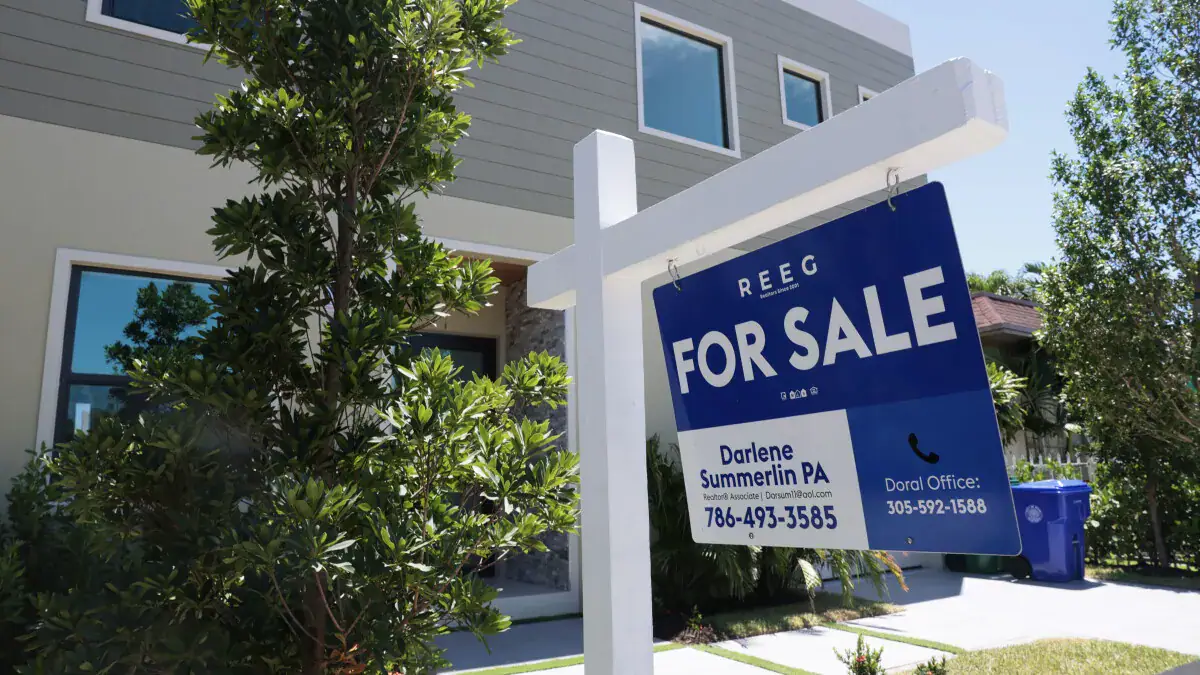
The average 30-year fixed-rate mortgage in the United States leaped to 7.03% on Thursday, according to the Federal Home Loan Mortgage Corp., also known as Freddie Mac. This marks the first time the rate has passed the 7% mark in 20 months, or since January 2025. While the 7% mortgage rate milestone holds no literal significance beyond the psychological effect of the round number, the sharp rise in rates since March risks further squeezing the budgets of homebuyers.
Mortgage rates tend to follow the 10-year Treasury note, which has risen sharply over the summer amid concerns about high inflation as well as the size of the federal debt. These economic trends have significant implications for the US housing market. The Federal Reserve last week raised its benchmark interest rate by a quarter percentage point — its first move this year — and many policymakers projected it may raise it one more time before year's end.
The housing market in the United States is experiencing a downturn, with high mortgage rates contributing to a 2% decline in existing home sales in August from the previous month, according to the National Association of Realtors. The median sale for an existing home was about $429,000. At that price, a single percentage point increase in the mortgage rate can cost buyers hundreds of additional dollars a month and tens of thousands over the life of the loan.
Housing researchers had hoped 2026 would provide a break for buyers and sellers waiting for cheaper rates and those savings. For a brief moment, that seemed to happen as mortgage rates fell below 6% by the end of February. However, they quickly shot back up due to geopolitical tensions and economic factors. The ongoing conflict has led to volatility in the bond markets and prolonged worries about inflation.
The rise in mortgage rates is expected to have a lasting impact on the US housing market, which has been stagnant for years due to the high cost of homeownership. As investors brace for potentially even more rate hikes to help fight inflation, the market is likely to remain challenging for homebuyers. The situation may lead to a further freeze in housing market activities.
Despite the developments in the US mortgage market, there is no direct impact on Zimbabwe's economy or housing market. Zimbabwe has its own economic conditions and housing market trends, which are influenced by local factors. As such, the mortgage rate changes in the US do not have a direct correlation with the Zimbabwean market.
In conclusion, the US mortgage rates surpassing 7% for the first time in over a year poses significant challenges for homebuyers in the United States. However, the impact of this change is not felt in Zimbabwe, where local economic conditions dictate the housing market trends. As the US housing market navigates these changes, stakeholders will be watching closely to see how the situation unfolds.
Key points
- US mortgage rates have surpassed 7% for the first time in 20 months.
- The rise in mortgage rates is expected to further squeeze homebuyers' budgets.
- The housing market in Zimbabwe remains unaffected by the changes in US mortgage rates.