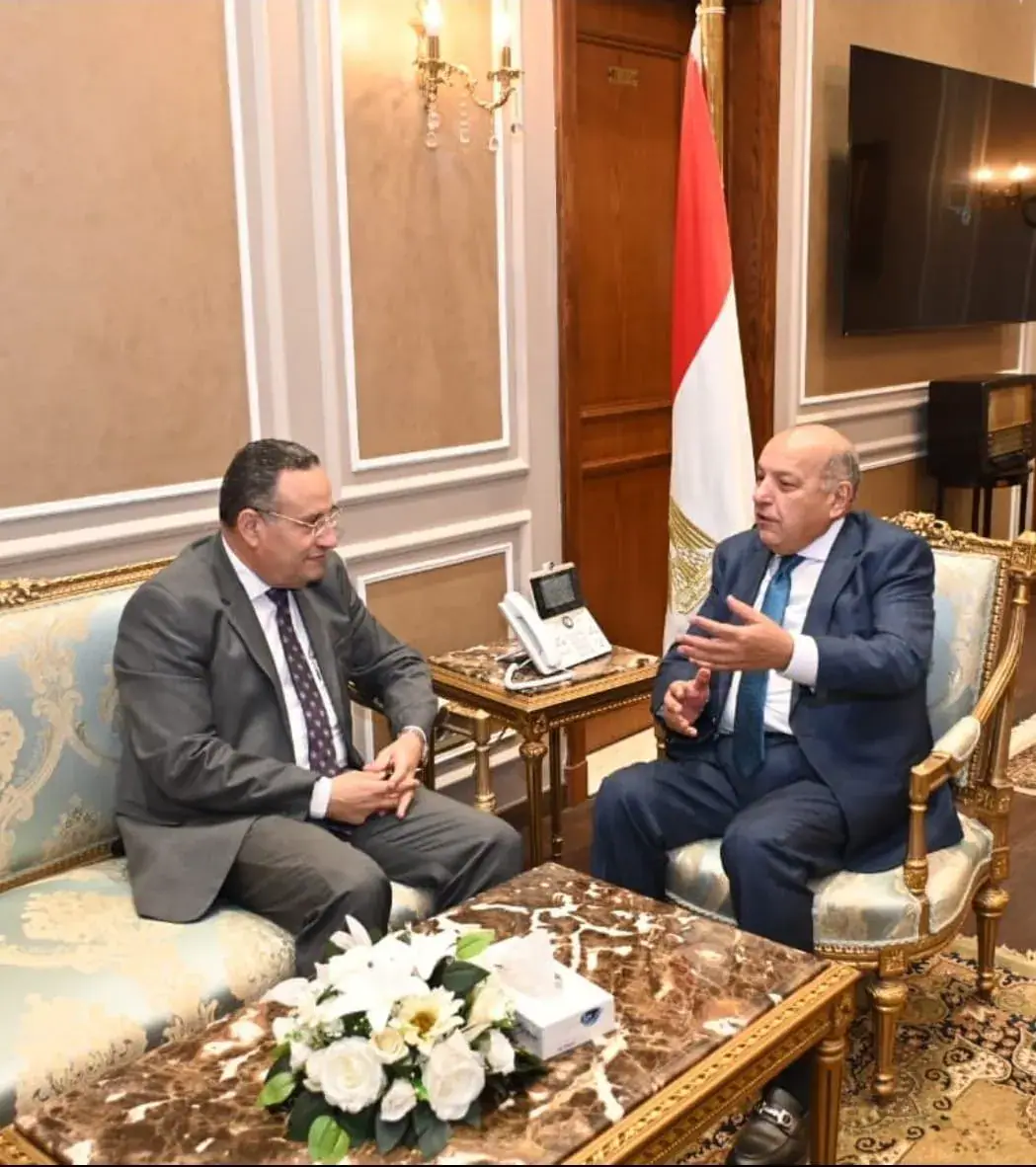
Egyptian Minister of Higher Education and Scientific Research, Abdel Aziz Qansuo, has announced that medical colleges without affiliated university hospitals will be closed. This move aims to correct the status of medical education in Egypt. Qansuo made the statement during a meeting with Mohamed El-Wahsh, Deputy Speaker of the Egyptian Parliament. The meeting focused on regulating and correcting the status of higher education and the medical sector in Egypt.
Qansuo emphasized that the top priority is to regulate and correct the status of medical colleges. He stressed that all necessary legal and procedural measures will be taken to achieve this goal. El-Wahsh inquired about the government's plans to establish new university branches or colleges. Qansuo explained that there are strict conditions for establishing new universities, including the provision of affiliated hospitals.
The Minister of Higher Education stated that before any entity submits a file to establish a new university, it must first provide a hospital affiliated with it. This condition applies to all entities to ensure the quality of education and medical services provided. Qansuo also emphasized that medical colleges without their own hospitals will be closed. This decision is due to their failure to meet the basic requirements for medical education.
El-Wahsh stressed the need for all medical professionals to obtain a license to practice their profession. He also emphasized the importance of developing hospital operations, especially in light of the demands of the Egyptian Medical Syndicate. The syndicate and other responsible bodies have called for a licensing exam for all medical college graduates, including those who obtained their degrees abroad, before allowing them to practice medicine in Egypt.
El-Wahsh highlighted the need to link hospital licenses and evaluations to their actual operational effectiveness. He emphasized that merely having existing buildings is not sufficient. Modern approaches, such as "development and operation," should be adopted to ensure that public health services are provided effectively. This approach aims to guarantee the delivery of high-quality medical services to the public.
The Deputy Speaker of Parliament inquired about the procedures for Egyptian and non-Egyptian students to join private medical colleges in Egypt. Qansuo explained that the admission rules for Egyptian students have not changed and are based on the same criteria used by the Coordination Office for years. However, new measures will be implemented to correct the admission process starting from the next academic year.
Regarding foreign students, Qansuo stated that they will not be allowed to practice medicine during their studies in Egypt. After completing their education, they will be sent back to their countries with qualifications, enabling them to contribute to their nations' development through various sectors. This policy aims to ensure that foreign students fulfill their role in building and developing their home countries.
Key points
- Egypt to close medical colleges without university hospitals
- New regulations to correct medical education in Egypt
- All medical professionals to obtain a license to practice their profession