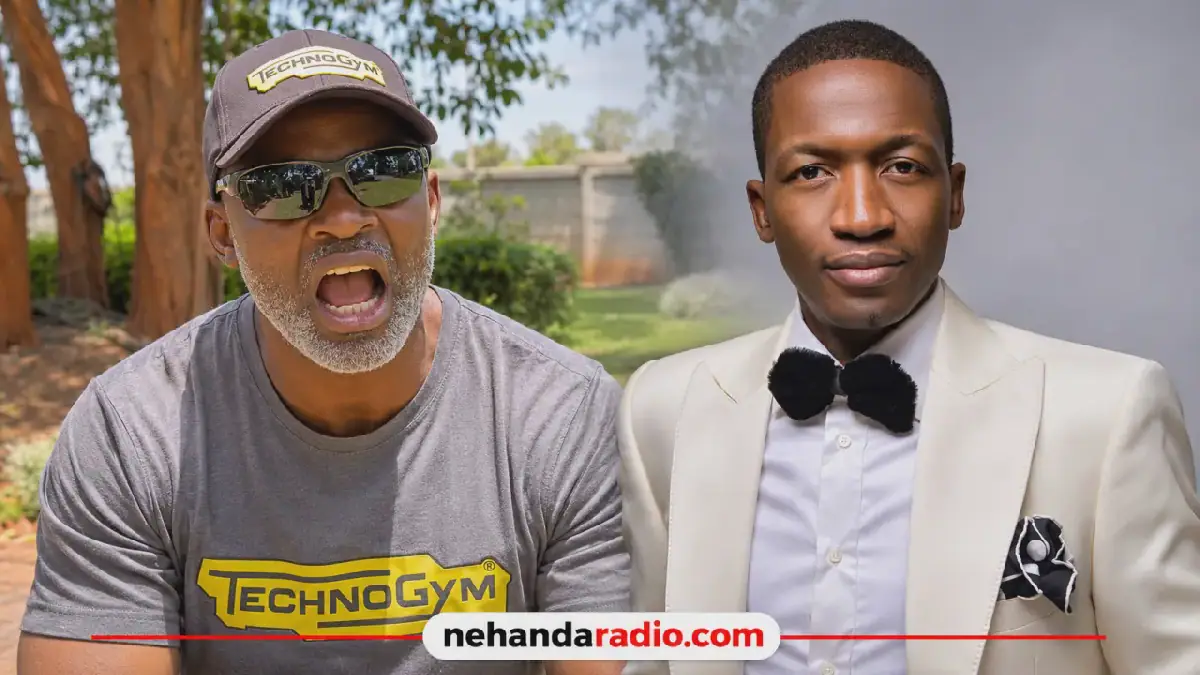
A public confrontation between former Norton MP Temba Mliswa and Presidential Envoy Prophet Uebert Angel has exposed deeper tensions within Zimbabwe's ruling party, Zanu-PF. The feud, which began with Mliswa's allegations of Angel's sexual misconduct, has sparked concerns about political influence and police independence. Dr. Sibangilizwe Moyo, in an article on Nehanda Radio, argues that the clash offers a window into the party's succession anxieties and competing loyalties. The incident has significant implications for Zimbabwe's political landscape.
The sequence of events leading to Angel's arrest on November 22 is striking. Mliswa had called for Angel's arrest over allegations of sexual misconduct, and days later, Angel was arrested during a church service in Harare. He faces a charge of aggravated indecent assault. While the arrest itself does not establish a direct link between Mliswa's calls and the law-enforcement action, it inevitably invites scrutiny about the relationship between political power and state institutions in Zimbabwe.
The original disagreement between Mliswa and Angel was supposedly about Vice-President Constantino Chiwenga's political standing and his relationship with President Emmerson Mnangagwa. However, Chiwenga and Mnangagwa have not publicly entered the exchange. Their silence raises questions about why a disagreement with obvious implications for the ruling party's internal environment has become dominated by intermediaries and commentators.
The incident highlights the role of intermediaries in Zimbabwe's politics, particularly in sensitive succession issues. Intermediaries can become influential, speaking on behalf of nobody officially, yet their statements can be interpreted as representing somebody politically. This phenomenon deserves investigation, as it may reveal a network of political relationships, access, influence, and competing interests surrounding the confrontation.
Mliswa's recent comments have warned against political interference in Angel's case, insisting that the matter must be determined by the courts. He also referred to an unverified claim that Angel's wife was seeking assistance from Kudakwashe Tagwirei to approach Mnangagwa for Angel's release. While this claim is unsubstantiated, Mliswa's underlying principle is legitimate: criminal proceedings should not be influenced by political connections.
The Mliswa-Angel clash has significant implications for Zimbabwe's political succession and the role of institutions. The incident raises questions about the independence of law-enforcement agencies and the potential for political influence. As the ruling party navigates its internal succession politics, the incident serves as a reminder of the need for transparency and accountability in the country's governance.
The incident has sparked a national conversation about the relationship between politics and institutions in Zimbabwe. As the country moves forward, it is essential to examine the underlying dynamics driving the confrontation and its implications for the country's governance. The incident serves as a reminder of the need for vigilance in ensuring that institutions remain independent and that the rule of law is upheld.
Key points
- The public feud between Mliswa and Angel exposes deeper tensions within Zanu-PF's succession politics.
- The incident raises concerns about political influence and police independence in Zimbabwe.
- Intermediaries play a significant role in Zimbabwe's politics, particularly in sensitive succession issues.