The governments of Togo and Benin have initiated a joint effort to develop a comprehensive water management plan for the Mono River Basin, with financial backing from the African Development Bank (AfDB). This strategic plan, known as the Scheme for the Development and Management of Water Resources (SDAGE), aims to ensure sustainable management of the river's resources, which are crucial for the livelihoods of millions of people in both countries.
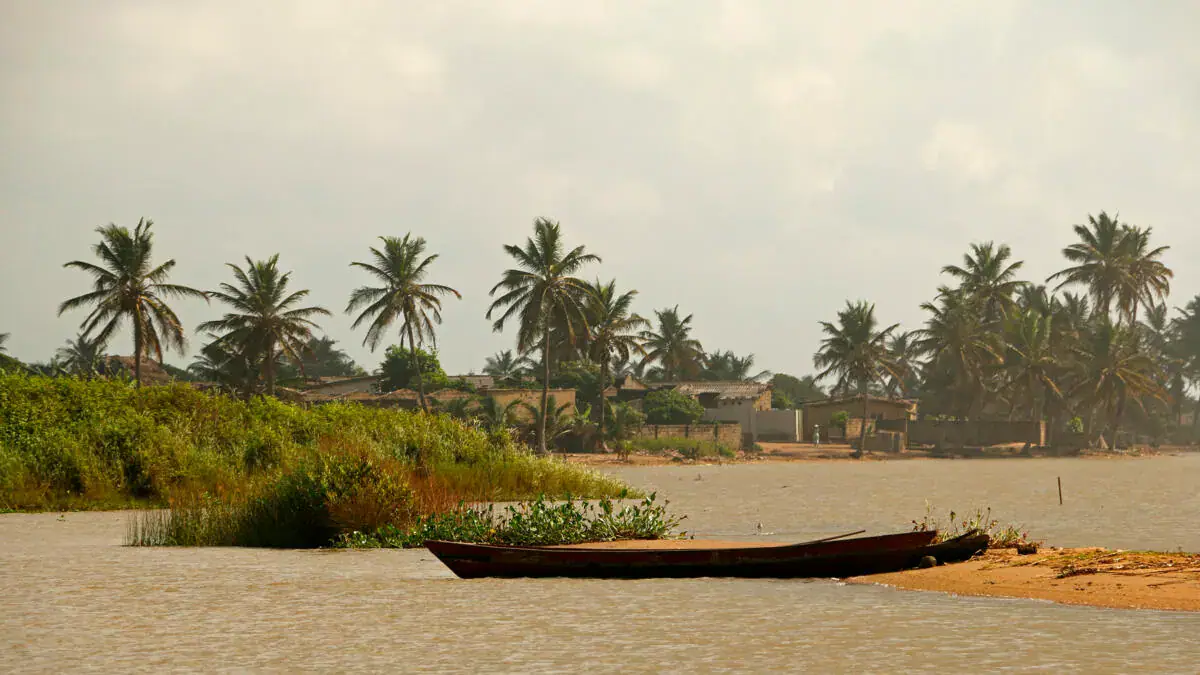
The Mono River Basin spans approximately 24,300 square kilometers, with 88% of it located in Togo, where over 3.5 million people rely on the river for their daily needs. The river stretches about 500 kilometers, originating in central Togo and forming part of the border between Togo and Benin before emptying into the Atlantic Ocean. It supports agriculture, fishing, and hydroelectric power generation, including the Nangbéto dam, which has been operational since 1987.
The river's ecosystem faces significant challenges, including degradation of the Amou sub-basin's ecosystems in Togo and the proliferation of aquatic plants in Lake Djetoé in Benin. These issues threaten the river's biodiversity and its ability to support local communities. The SDAGE is expected to provide a unified vision for managing the river's resources, addressing these challenges, and ensuring the river's sustainability in the face of climate change.
Climate change has exacerbated the frequency of droughts and floods in the region, underscoring the need for coordinated management of the Mono River Basin. By developing a shared management plan, Togo and Benin aim to prioritize investments in water supply, sanitation, irrigation, hydroelectricity, and ecosystem restoration. This collaborative approach is also expected to enhance the countries' ability to secure funding from international donors for projects that will benefit both nations.
The SDAGE will guide investments in key sectors such as water supply, sanitation, irrigation, and hydroelectric power, ensuring that these projects are aligned with the needs of both countries and are resilient to the impacts of climate change. The plan will also consider the river's ecological importance, including its delta, which is rich in mangroves and biodiversity and has been designated as a transboundary biosphere reserve by UNESCO.
Effective management of the Mono River Basin is critical for the economic and environmental well-being of both Togo and Benin. The collaborative effort between the two countries, supported by the AfDB, represents a significant step towards sustainable development and regional cooperation in West Africa. By working together, Togo and Benin can ensure that the Mono River continues to support the livelihoods of millions of people while preserving its ecological integrity.
The development of the SDAGE for the Mono River Basin is a landmark initiative in regional cooperation and sustainable water management. It highlights the commitment of Togo and Benin to address shared challenges and capitalize on opportunities for mutual benefit. As the plan moves forward, it will be crucial for both countries to engage stakeholders, ensure transparency, and implement the plan effectively to achieve its objectives and secure a sustainable future for the Mono River Basin.
Key points
- The Mono River Basin is a vital resource for over 3.5 million people in Togo and supports agriculture, fishing, and hydroelectric power generation.
Reporting sources
- Une eau partagée ne se gère pas chacun de son côté · republicoftogo.com