The Zimbabwe 2027 budget, presented to Parliament by Finance Minister Mthuli Ncube, forecasts GDP growth of 3.5% and total spending of $12.8B. The budget's theme, 'Accelerating Economic Transformation and Building Resilience to Climate and Global Shocks,' reflects the government's focus on addressing climate-related challenges. Total expenditure is set at ZiG358.3bn, against projected revenue of ZiG349.5bn, resulting in a deficit of ZiG8.8bn, or 0.5% of GDP.
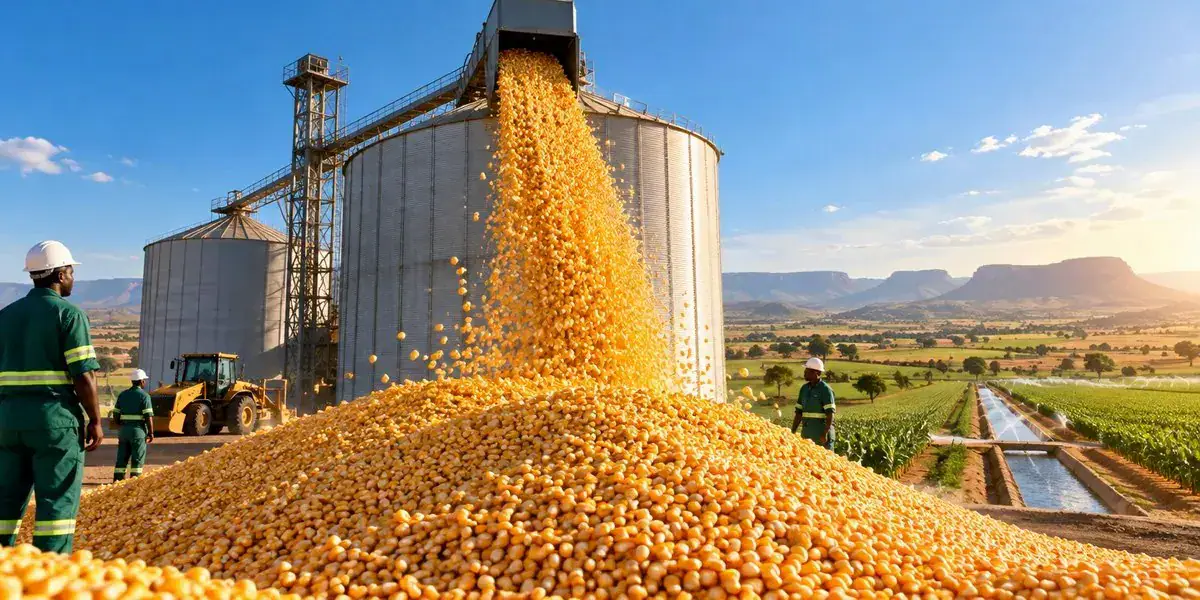
The growth forecast for 2027 is lower than the 5% target for 2026, due to drought risks associated with El Niño. The Treasury expects the drought to impact farm output and electricity generation. To mitigate these effects, the government plans to increase strategic grain reserves to 600,000 tonnes by August 2027, up from 365,000 tonnes at the end of October 2026. The budget also allocates funds for expanded irrigation, drought-tolerant crop varieties, and agricultural finance.
A climate contingency reserve of $400m, or ZiG10.9bn, has been established to provide a buffer against cost pressures in food, energy, and social protection. This move demonstrates the government's fiscal intent and preparedness for potential shocks. Despite drought risks, the deficit of 0.5% of GDP remains relatively narrow compared to regional standards.
The budget includes tax adjustments aimed at supporting household purchasing power, effective January 1, 2027. The monthly personal income tax-free threshold will increase from $100 to $150, benefiting low-income earners and potentially boosting consumer spending in the formal economy. Additionally, the Intermediated Money Transfer Tax on local-currency transactions will decrease from 1.5% to 1.25%, and the foreign-currency rate will drop from 2% to 1.75%.
Further tax relief measures include the abolition of customs duty on imported mobile phones and a reduction in duty on electric vehicles and charging infrastructure from 25% to 10%. These changes aim to lower transaction costs and encourage the use of formal payment channels. Social services will receive a significant allocation of ZiG123.4bn, with health, education, and social protection receiving the largest combined share.
Education spending will lead the social allocation, reflecting the government's emphasis on building human capital alongside physical resilience. The budget's fiscal package, which includes a contained deficit, broad tax relief, and a dedicated climate buffer, is considered credible in the near term. However, the achievement of the 3.5% growth target will depend on factors such as rainfall data, grain procurement volumes, and power availability through mid-2027.
The budget's success will also depend on effective implementation and the government's ability to address climate-related challenges. With a focus on building resilience and accelerating economic transformation, the Zimbabwe 2027 budget aims to balance growth objectives with social and environmental concerns. Key priorities include supporting household purchasing power, promoting formal payment channels, and investing in human capital and infrastructure.
Key points
- The Zimbabwe 2027 budget forecasts 3.5% GDP growth and $12.8B spending, amid El Niño-induced drought risks.
- Tax adjustments aim to support household purchasing power, effective January 1, 2027.
- A climate contingency reserve of $400m has been established to provide a buffer against cost pressures.
Reporting sources
- Zimbabwe 2027 budget targets 3.5% growth amid drought · FurtherAfrica