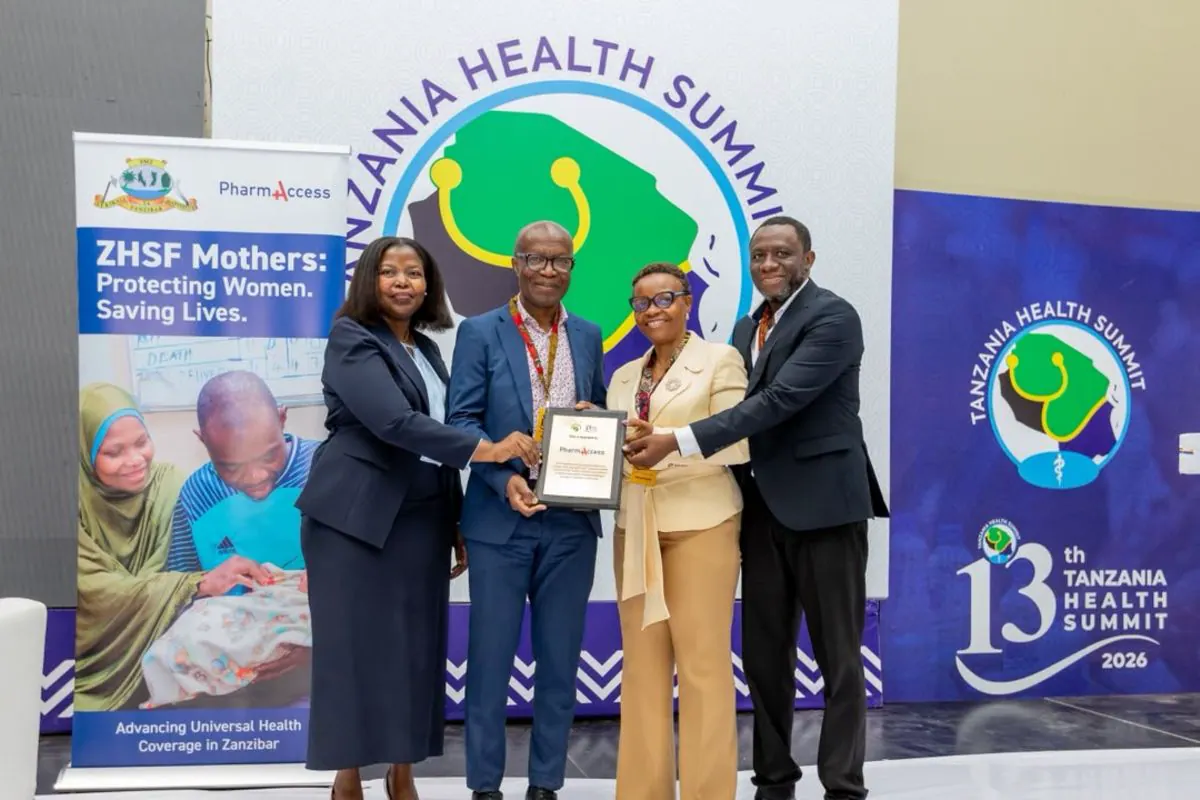
Zanzibar is piloting a health financing model that utilizes targeted funding and digital tracking to retain poor and high-risk pregnant women in care. The Zanzibar Health Services Fund (ZHSF) Mothers Care model aims to allocate limited resources effectively, following vulnerable women throughout pregnancy, delivery, and the postnatal period. This approach was discussed at the 13th Tanzania Health Summit in Dar es Salaam, where experts reviewed early lessons from the programme.
Tanzania has made progress in reducing maternal deaths, with the maternal mortality ratio declining from 556 deaths per 100,000 live births in 2015/16 to 104 in 2022. Skilled birth attendance also increased from 66 percent to 85 percent during the same period. However, the country still faces challenges in ensuring women receive timely and quality care throughout pregnancy, with a maternal mortality ratio above the global target of fewer than 70 maternal deaths per 100,000 live births by 2030.
In Zanzibar, 98.9 percent of pregnant women attended at least one antenatal visit, while 79.4 percent completed at least four visits, according to the 2022 Tanzania Demographic and Health Survey. The Mothers Care model, jointly financed by PharmAccess and the Zanzibar Ministry of Health, began in May 2024 and targets 5,000 pregnant women from poor households over two years. The programme combines financing, digital tracking, and quality improvement to identify missed appointments and gaps in care.
WHO health financing expert, Regina Ndakidemi, emphasized that the Mothers Care experience should help the government establish a clear mechanism for financing care for vulnerable women. This would enable projects like Mothers Care to be well embedded in the government's priorities, ultimately reducing maternal deaths. Ndakidemi's comments highlight the importance of integrating successful models into the country's healthcare system.
PharmAccess Zanzibar Interim Programme Director, Jonia Swakea, noted that the next step was to develop a maternal-care package covering a woman's entire pregnancy journey. A customized package would help meet pregnant women's needs more effectively. According to PharmAccess, about 2,200 women had enrolled in Kaskazini B and Micheweni districts by 2025, with the proportion attending four or more antenatal visits rising from 15 percent to 52 percent among participating women.
However, Sanofi Health Unit Medical Doctor-Global Lead Joseph Muga cautioned that additional funding alone would not resolve weaknesses in healthcare delivery. He called for better planning, reduced wastage, improved coordination, reliable medicine supplies, and greater use of health data. Muga's comments underscore the need for a comprehensive approach to address healthcare challenges in Tanzania.
The programme's success will depend on its ability to transition from a time-bound intervention into a sustainable government-financed system. If successful, the model could be replicated in other parts of Tanzania, contributing to the country's efforts to reduce maternal mortality and improve healthcare outcomes for vulnerable women. The key test now is whether the model can be scaled up and integrated into the existing healthcare system.
Key points
- Zanzibar's Mothers Care model combines targeted funding, digital tracking, and quality improvement to retain poor and high-risk pregnant women in care.
- Tanzania's maternal mortality ratio declined from 556 deaths per 100,000 live births in 2015/16 to 104 in 2022, but still exceeds the global target.
- The programme aims to enroll 5,000 pregnant women from poor households over two years, with a focus on improving antenatal care and reducing maternal mortality.