The Zambezi region in Namibia has reported a significant increase in malaria cases, with 32,730 cases and 21 deaths recorded so far in 2026. This represents a substantial share of the country's total confirmed cases, which stands at 122,127. The region's governor, Dorothy Kabula-Simushi, has expressed concern over the rising numbers and urged residents to cooperate with health officials to combat the disease.
According to the ministry of health and social services, the Zambezi region accounted for a significant proportion of Namibia's malaria cases, with 24,194 cases reported by the end of May, including 212 imported cases. The region is one of the country's major malaria hotspots, and health authorities are working to prevent further spread of the disease. Governor Kabula-Simushi made the remarks during the 45th Lusata Cultural Festival at Chinchimane, where she emphasized the need for residents to take the spraying programme seriously.
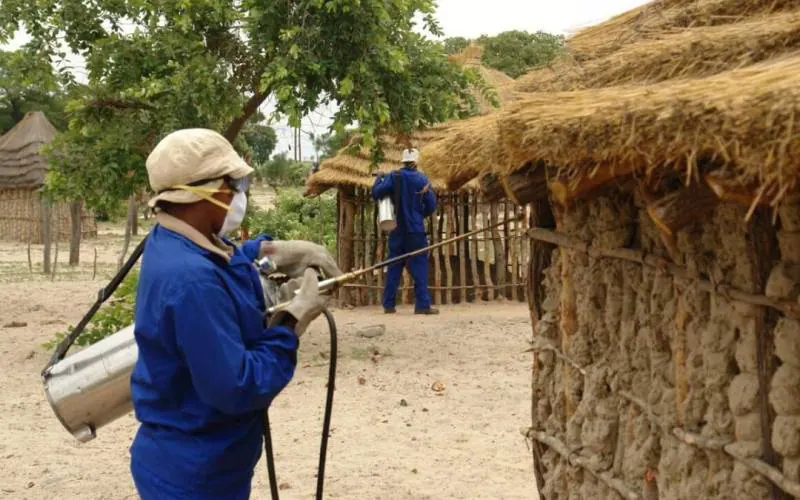
One of the major challenges facing health authorities in the region is low participation in indoor residual spraying, a key malaria-prevention measure. Of the 9,640 households targeted for spraying in Zambezi, only 2,710 had been sprayed, while 2,644 households had refused health officials entry. This translates to a coverage rate of 33%, far below the target of 85%. The ministry of health has described indoor residual spraying as one of its key strategies to combat malaria.
The low coverage rate is undermining efforts to protect communities, according to health officials. The ministry of health is targeting 85% IRS coverage, compared with only 40% achieved nationally in the previous year. Community members in Zambezi have raised concerns about allowing unfamiliar people into their homes, inadequate communication about spraying schedules, and uncertainty about the effectiveness of the chemicals.
Malaria has made a significant resurgence in Namibia this year, with the health ministry reporting 122,612 confirmed cases and 122 deaths nationally by early September. Of the confirmed cases, 99,078 were locally transmitted and 23,354 imported, while 9,956 malaria-related hospital admissions had been recorded. The ministry launched its 2026 indoor residual spraying campaign in September, targeting 1.2 million households across malaria-endemic regions.
The campaign, which is scheduled to run until 27 November, aims to reduce malaria infections and deaths in the region. Governor Kabula-Simushi has appealed to residents to open their homes to spraying teams and cooperate with health officials to combat the disease. She emphasized that at least 100% of households should be sprayed during this period to effectively prevent the spread of malaria.
The ministry of health has urged residents to take the spraying programme seriously and work with the government to reduce malaria infections and deaths. With the region's malaria cases continuing to rise, it is essential that residents cooperate with health officials to prevent further spread of the disease. The government is working to address the concerns of community members and ensure that the indoor residual spraying programme is effective in preventing malaria.
Key points
- Zambezi region reports 32,730 malaria cases and 21 deaths in 2026.
- Low participation in indoor residual spraying is undermining efforts to combat malaria.
- The ministry of health aims to achieve 85% IRS coverage in the region.