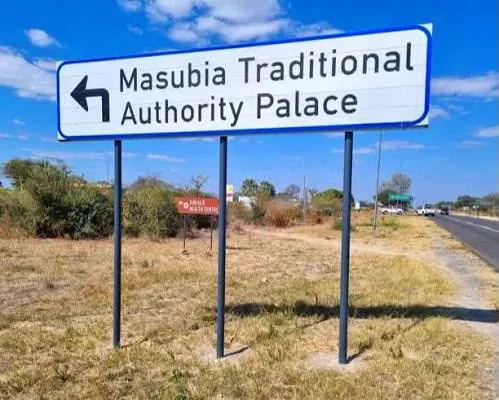
A long-standing land dispute in the Zambezi region of Namibia has escalated, sparking fears of violence and potential loss of life. The dispute involves four families: the Jimu, Muninjahi, Ndivi, and Jojo families. The issue has been ongoing for decades, passing through traditional and formal courts. Senior Masubia induna Albius Mwala stated that the tribal court can no longer handle the matter, as it has exceeded its jurisdiction.
The Masubia khuta, or tribal court, summoned the four families to the Bukalo Traditional headquarters on September 14, 2026, in the presence of police and security officials. This was after previous attempts to resolve the dispute failed to produce a lasting solution. Mwala explained that police were present to prevent confrontations, as previous gatherings had become aggressive. The parties were reminded of previous higher court decisions and advised to use appropriate legal channels if they wanted to challenge existing decisions.
Despite the meeting, tensions persisted, and a confrontation occurred on the disputed land, resulting in alleged damage to farms and crops. Mwala reported that cassava farms and crops were damaged during the altercation. The regional police deputy commissioner was contacted for confirmation but declined to comment, citing being outside the region. A message from Masubia traditional ngambela Raphael Mbala to Zambezi governor Kabula Simushi warned of the situation's seriousness and potential for loss of life or injuries.
Mbala's message detailed the events of September 14, where the parties were presented with rulings from various courts, including a reported Supreme Court ruling. However, this ruling could not be independently verified. Mbala alleged that his wife was chased from a cassava field by men from the Ndivi and Jojo families and that another group threatened a cattle herder and took his cellphone. The situation remains volatile, with concerns of further violence.
A source close to the Jojo family expressed the family's desire for peace and a resolution through the courts. The source stated that the Jojo and Muninjahi families consider themselves on the same side, fighting for land they believe belongs to their forefathers. They are prepared to take the matter to the Supreme Court or another higher legal forum with jurisdiction. Several people have relocated from the disputed area due to the prolonged conflict.
Zambezi Regional Council chairperson Bernard Sisamu questioned the need for further government intervention, given the dispute's lengthy history in traditional and formal legal structures. Sisamu suggested that the parties should use available legal channels if they are dissatisfied with previous decisions. He emphasized that the complexity of the matter should not lead to repeated attempts to reopen issues already dealt with through established channels.
The High Court record confirms a long-running dispute involving the Jimu, Ndjivi, and Jojo families. A 2023 court decision detailed the history of the dispute, including previous rulings and appeals. The court found that the statutory tribunal did not have the power to determine a 1998 customary-law decision under the Communal Land Reform Act. The dispute remains unresolved, with concerns of further violence and potential loss of life.
Key points
- A decades-old land dispute in Namibia's Zambezi region has escalated, sparking fears of violence and potential loss of life.
- The dispute involves four families and has been ongoing for decades, passing through traditional and formal courts.
- The parties have been advised to use appropriate legal channels to resolve the dispute, but tensions persist.