In Tanzania, completing education is no longer a guarantee of a stable career. Many young people face a difficult journey finding work, developing practical skills, and earning an income in a rapidly changing economy. With 20.7 million people aged 15-35, accounting for 34.4% of the mainland population, young people are crucial to the country's workforce and future economic development. However, having a large youth population does not automatically translate into economic opportunity.
The labour market demands more than academic qualifications, with employers seeking practical experience, digital abilities, communication skills, and specialised knowledge. The Integrated Labour Force Survey shows youth unemployment among people aged 15-35 declined from 8.3% in 2024 to 7.5% in 2025. However, unemployment remains higher among young women. Behind these statistics are young people spending months or years searching for employment, accepting temporary opportunities, or creating their own sources of income.
Entrepreneurship has become an alternative to waiting for formal employment, with young people engaging in small businesses, online selling, creative work, transport services, agriculture, photography, video production, and other informal activities. However, starting a business is not easy, and access to capital, markets, technology, business knowledge, and reliable infrastructure can determine the sustainability of a young person's idea.
The labour market is changing with technology becoming part of everyday economic activity. Digital platforms have created opportunities in areas such as content creation, graphic design, digital marketing, programming, online commerce, and freelance work. Traditional occupations are also becoming more dependent on technology, making education alone insufficient if young people do not have opportunities to develop practical and market-relevant skills.
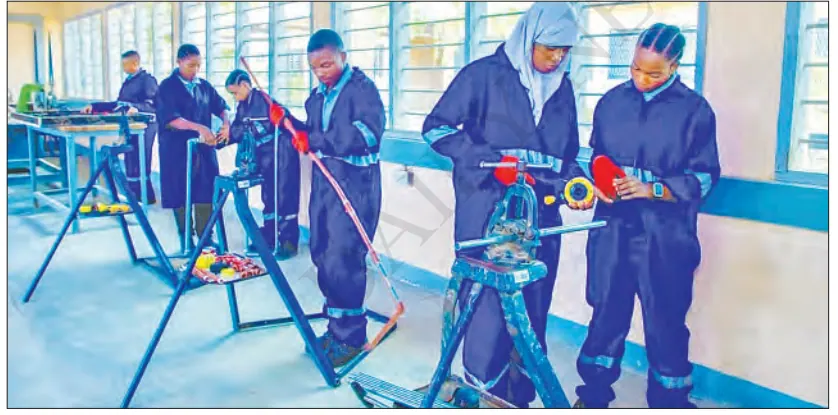
The National Bureau of Statistics has identified skills development, retraining, and stronger support for youth as important areas for improving employment opportunities. The bureau's labour-market findings also point to the need to expand opportunities in sectors such as services, industry, technology, and the blue economy. Internships and apprenticeships can help bridge the gap between education and employment by allowing young people to gain practical experience.
Agriculture remains a major source of employment for young Tanzanians, with millions engaged in informal non-agricultural economic activities. The challenge is how to make these sectors more productive and attractive to young people. Technology could play a role, but young people must access it and understand how to use it effectively. Digital literacy for entertainment is different from digital skills that can generate employment or improve productivity.
For policymakers, employers, educational institutions, and communities, the question is how to ensure Tanzania's large youth population becomes an economic strength rather than a group struggling to find opportunities. The answer involves more than simply creating jobs and requires stronger links between education and the labour market, practical training, apprenticeships, access to finance, digital skills, entrepreneurship support, and opportunities for young people outside major cities.
Key points
- The changing labour market demands that young people develop practical and market-relevant skills to access employment opportunities.
- Entrepreneurship and informal activities have become essential sources of income for many young Tanzanians.
- Technology can play a crucial role in improving productivity and employment opportunities for young people in various sectors.