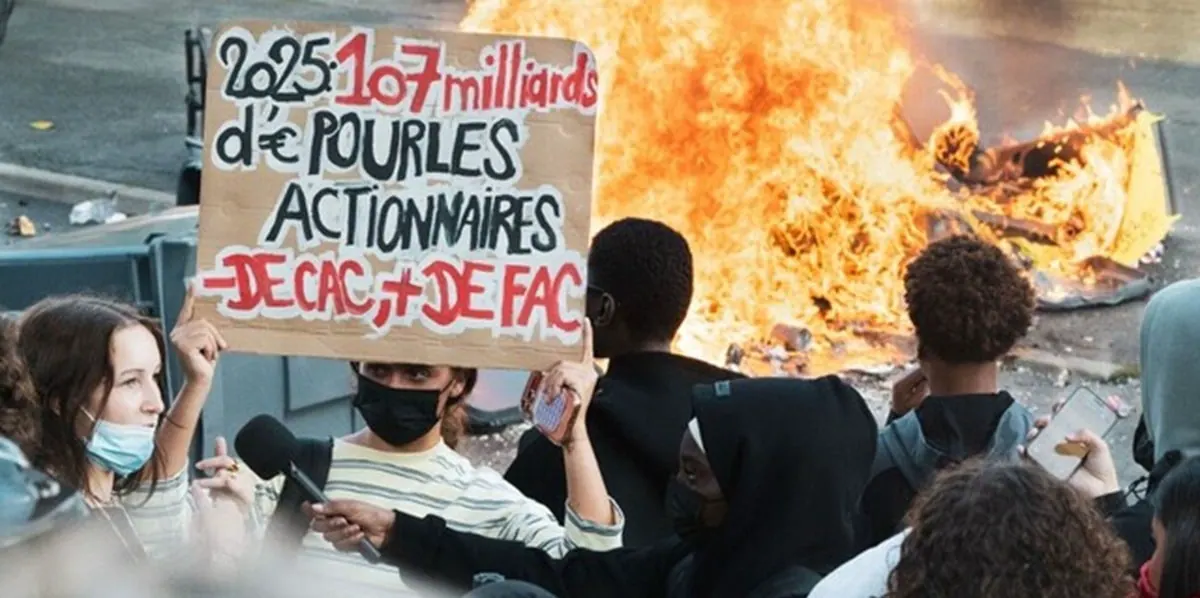
A wave of protests led by young people in France has entered a new phase of escalation, spreading across multiple regions in the country. The movement, which started in the Paris region around September 21, has seen students and youths blocking high schools and universities, calling for improved education conditions and more resources. As of October 1, over 1,020 high schools had been affected by strikes or demonstrations, with 222 establishments completely blocked.
The protests have now extended to higher education, with student organizations reporting blockages in over 30 universities. However, the extent of the mobilization varies, with around a dozen campuses blocked, according to France Universités. At the heart of the protests are concerns over a shortage of teachers, overcrowded classes, heavy workloads, and inadequate school infrastructure. Many young people also express stress related to accessing higher education and uncertainty about their professional futures.
The movement encompasses diverse profiles and demands, ranging from calls for better learning conditions to broader discontent with public policies and social situations. While some protesters focus on education-specific issues, others express more general grievances. The protests have led to increased tensions between demonstrators and law enforcement, with reports of vandalism, projectile-throwing, and property damage in cities like Paris, Nantes, Lyon, and Strasbourg.
On October 1, the situation further deteriorated, with nearly 1,950 people arrested and 305 police officers, gendarmes, and firefighters injured, according to the French Ministry of the Interior. Education Minister Édouard Geffray reported 65 education personnel and 170 students injured since the start of the movement. These numbers highlight the escalating situation, with authorities condemning violence and attempts to disrupt order.
In response to the crisis, the French government has taken urgent measures. The Prime Minister has been engaged in efforts to address the concerns of the protesters. The government faces pressure to find a solution to the ongoing protests, which have now entered their second week. The widespread disruptions have affected not only the education sector but also transportation and daily life in several cities.
The protests have brought attention to the plight of young people in France, who feel their concerns and futures are being neglected. As the movement continues, there are growing concerns about its impact on the country's education system and social stability. The government is under pressure to engage in dialogue with protesters and find a way to address their grievances.
The situation remains volatile, with further protests and disruptions expected. The French government will need to navigate this complex situation carefully to prevent further escalation and find a peaceful resolution. Key issues, such as improving education conditions and addressing youth concerns, will need to be addressed to bring an end to the protests.
Key points
- Over 1,020 French high schools were affected by strikes or demonstrations as of October 1.
- Nearly 1,950 people were arrested on October 1 amid escalating protests.
- The protests have spread to over 30 universities, with around a dozen campuses blocked.