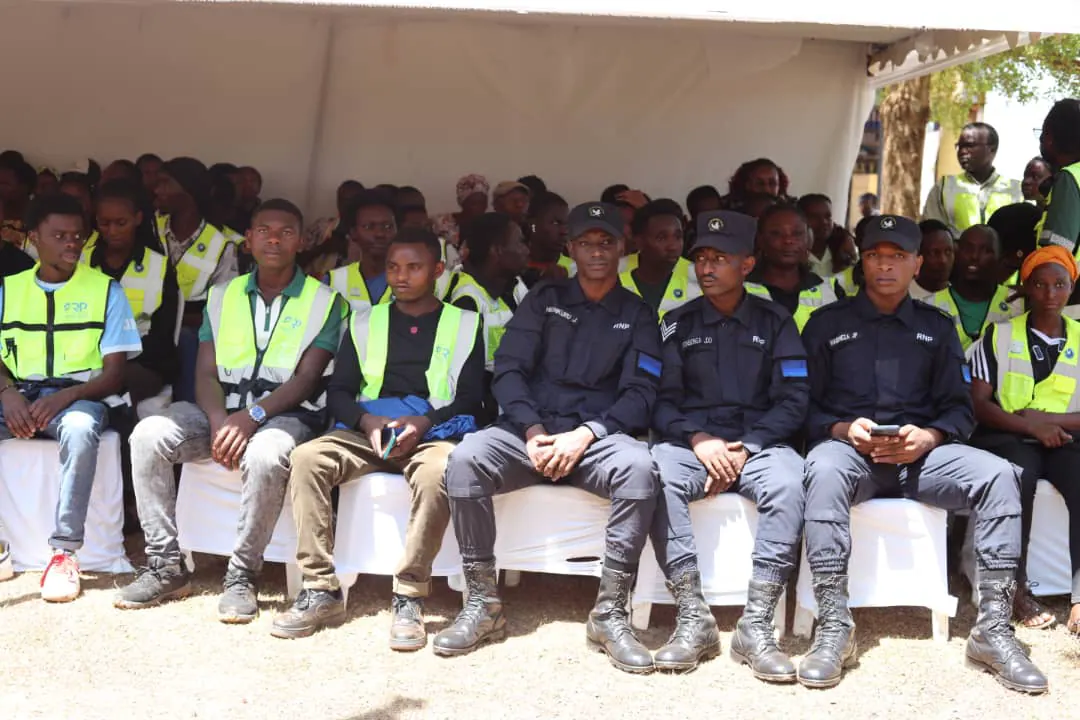
In Rwamagana, a district in eastern Rwanda, young people have vowed to use their knowledge of the country's history to counter misinformation and genocide denial on social media. The pledge was made during the launch of activities to mark the month of unity and reconciliation. The youth expressed concern that some individuals, often living outside Rwanda, use social media to spread hate speech and deny the 1994 genocide against the Tutsi population.
According to the youth, these individuals aim to sow discord and undermine the progress Rwanda has made in promoting unity and reconciliation. The young people emphasized that they will not give credence to such misinformation and will instead use their knowledge of Rwanda's history to set the record straight. They noted that they are well-versed in the country's history and will not be swayed by false narratives.
Umutoniwase Shemsa, one of the youth participants, said that those who spread false information about Rwanda on social media will not succeed in their efforts to mislead the youth. She emphasized that the youth are aware of the country's history and will not be fooled by misinformation. Shemsa added that the youth will continue to speak the truth and counter false narratives.
Ishimwe Didier, another participant, noted that those who deny the genocide use social media to try to mislead the youth. He emphasized that such individuals know that they cannot succeed in their efforts to distort history and will therefore try to mislead others. Didier added that the youth will not be swayed by such tactics and will instead focus on promoting unity and reconciliation.
The district mayor, Mbonyumuvunyi Radjab, urged the youth to be cautious of individuals who use social media to spread hate speech and misinformation. He noted that many of these individuals are trying to hide their own involvement in past crimes and are seeking to shift the blame onto others. Radjab emphasized that the youth should not give credence to such misinformation and should instead focus on promoting unity and reconciliation.
Radjab also praised the youth for their commitment to promoting unity and reconciliation. He noted that the government is working to promote unity and reconciliation and that the youth have a critical role to play in this effort. Radjab urged the youth to continue using social media to promote positive messages and to counter misinformation.
According to the Ministry of Unity and National Reconciliation, research has shown that the level of unity and reconciliation in Rwanda has increased by 13% between 2010 and 2025. The ministry attributed this progress to efforts by the government and civil society to promote unity and reconciliation. The youth in Rwamagana have pledged to play their part in sustaining this progress.
Key points
- Youth in Rwamagana vow to counter genocide denial on social media
- Misinformation and hate speech on social media a major concern
- Rwanda makes progress in promoting unity and reconciliation