In 2018, young Nigerians achieved a significant victory with the passage of a constitutional amendment lowering age limits for several elective offices. The Not Too Young To Run campaign, which had been years in the making, was a major success. However, eight years later, the impact of this legal change has been limited. Young Nigerians still face significant structural and financial barriers to contesting and winning elections. According to Legis360, party nomination and expression-of-interest forms can cost as much as 100 million naira (USD 75,000).
The financial burden of running for office in Nigeria is substantial. Earlier this year, one Nigerian state set the nomination fee for a local government chairmanship at NGN 30 million (USD 22,000), which is reportedly more than the office's official earnings over a full four-year term. The Electoral Act 2026, signed into law by President Bola Tinubu in February, has also increased the spending limits for election campaigns. The presidential spending limit has been doubled from NGN 5 billion to 10 billion (about USD 7.5 million), and the governorship limit has been raised from NGN 1 billion to 3 billion (USD 2.2 million).
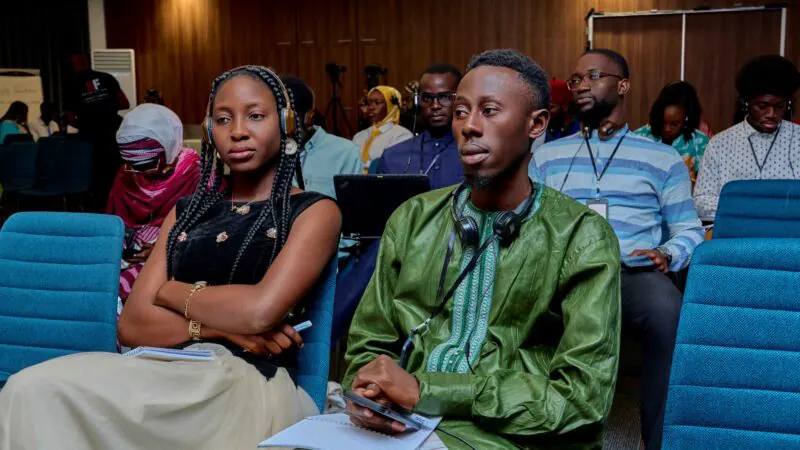
The challenges faced by young Nigerians were discussed at the West Africa Youth Democracy Conference, held in Dakar, Senegal, from September 8 to 10, 2026. The conference, convened by the Economic Community of West African States (ECOWAS) Commission and Legis360, brought together delegates from 12 countries to discuss the barriers to young people's political participation in the region. The conference highlighted the gap between being allowed to run for office and being able to run.
Nelson Asusiya, a young parliamentarian from Ghana, described the experience of young people being told to wait their turn while being used as poster children for political parties and civic movements, but rarely given actual power. According to the conference communiqué, young people make up about 70 percent of the region's population, yet they remain largely absent from decision-making bodies. Asusiya's comments underscored the need for greater youth participation in politics.
The conference also highlighted the role of political parties as gatekeepers, controlling who gets nominated, how candidates are selected, and whose networks and resources can carry them through an election. The Not Too Young To Run campaign in Nigeria showed what organized pressure can achieve, but it also exposed the challenges of changing who can afford to use the new rules. Cynthia Mbamalu, director of programs at Yiaga Africa, which led the campaign, noted the limitations of changing the rules without addressing the underlying barriers.
The West Africa Youth Democracy Conference aimed to address these challenges and promote greater youth participation in politics. The conference provided a platform for young delegates to share their experiences and discuss potential solutions. By bringing together delegates from 12 countries, the conference highlighted the regional nature of the challenge and the need for a coordinated response.
The outcome of the conference is expected to contribute to the ongoing debate about youth participation in West African politics. The event highlighted the need for a more inclusive and representative political process, where young people can participate on an equal footing. The conference also underscored the importance of addressing the financial and structural barriers that prevent young people from running for office.
Key points
- Young Nigerians face significant financial barriers to contesting and winning elections, despite the passage of a constitutional amendment lowering age limits for elective offices.
- The West Africa Youth Democracy Conference highlighted the need for greater youth participation in politics and the role of political parties as gatekeepers.
- The conference underscored the importance of addressing the financial and structural barriers that prevent young people from running for office.