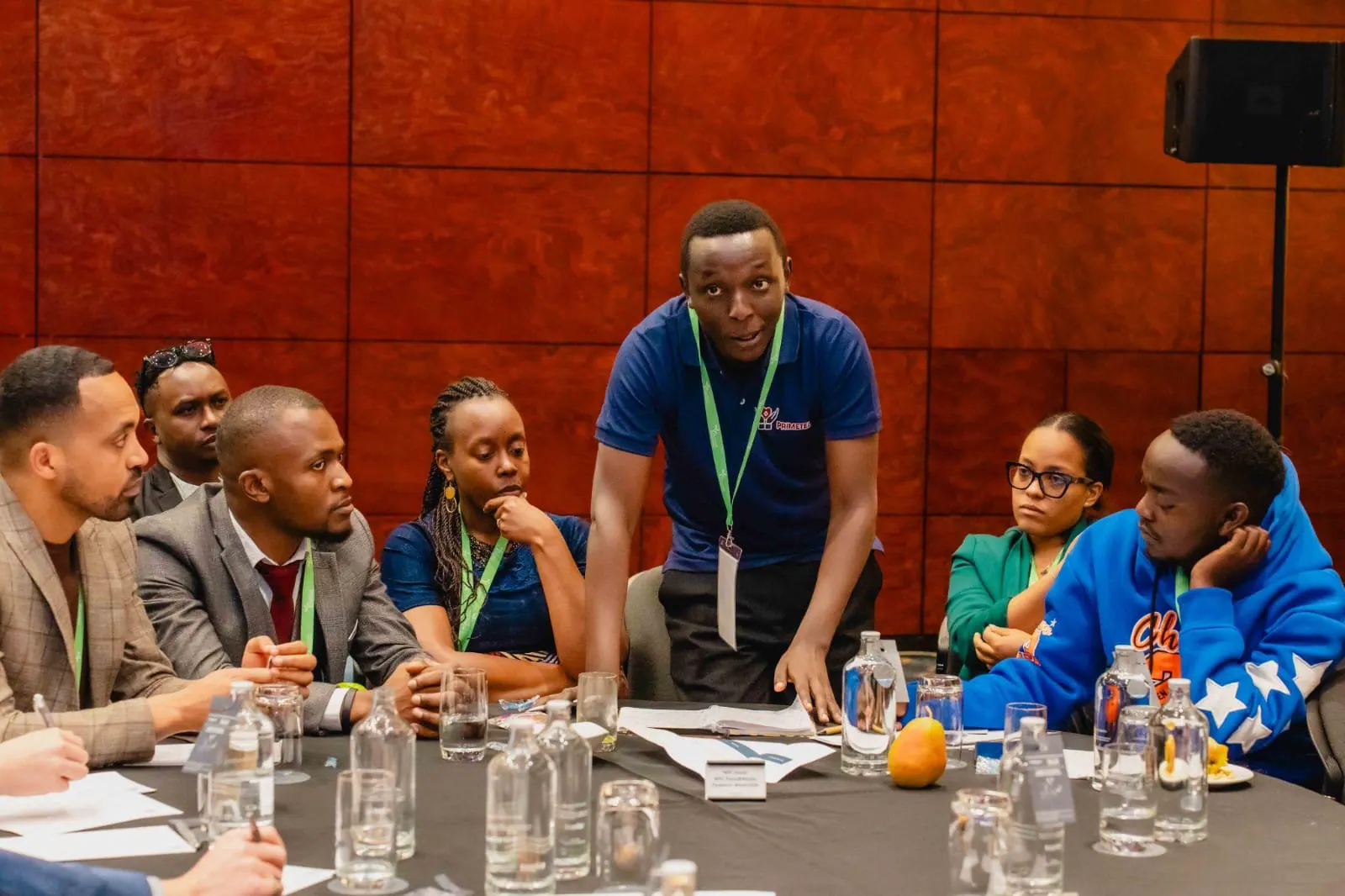
More than 80 young health professionals, researchers, innovators, entrepreneurs, and higher education representatives convened at Ubuntu Rising 2026 to shape the future of health in Africa. The event, hosted by the University of Cape Town, aimed to move beyond consultation and give young people a direct role in shaping priorities and solutions for the continent's health future. The Africa Health Collaborative organized the event ahead of the 18th World Congress on Public Health.
The discussions at Ubuntu Rising took place against a backdrop of significant employment and health workforce paradoxes in Africa. According to the Mastercard Foundation's Africa Youth Employment Outlook 2026, 90% of employed young Africans work in the informal economy, while only 10% of youth jobs are formal. Furthermore, 34% of employed young Africans live in households below the $2.15-a-day poverty line, and just 9% have completed tertiary education.
The health sector faces a substantial gap, with Africa experiencing a shortage of 5.5 million health workers, while nearly one million trained health professionals are without meaningful work. Prof. Brandon Collier-Reed, Deputy Vice-Chancellor for Teaching and Learning at the University of Cape Town, emphasized that employment alone is not the goal; rather, the focus should be on whether systems are working for young Africans.
The participants at Ubuntu Rising identified nine recommendations grouped under leadership, innovation, and employment. These recommendations aim to create changes within institutions and systems that shape opportunities for young people. Under leadership, they called for stronger connections between young professionals and health policy and systems through learning and networking opportunities.
The recommendations also focus on innovation and employment. Participants proposed embedding innovation and entrepreneurship in education by integrating leadership, problem-solving, and entrepreneurship capabilities into existing higher education and training programs. They also suggested building young innovators' capacity by developing structured capacity-building frameworks that equip young people to turn ideas into viable health innovations and entrepreneurial solutions.
Dr. Nathina Pakade, Public Health Medicine Registrar at the University of Cape Town and the Western Cape Department of Health and Wellness, highlighted the gap between young people's potential and the institutional pathways available to them. She emphasized that meaningful participation is moving beyond simply being present in the room to having the opportunity to influence what happens in that room.
The nine recommendations developed at Ubuntu Rising will now feed into the Africa Health Collaborative's Youth Agenda, helping to ensure that young people's perspectives inform the Collaborative's programs, partnerships, and engagement with the wider health ecosystem. Prof. Tracey Naledi, Deputy Dean for Social Accountability and Health Systems at the University of Cape Town, emphasized that the Collaborative's work is done with young people, informed by young people, and increasingly led by young people.
Key points
- Young Africans propose nine recommendations to shape the future of health in Africa, focusing on leadership, innovation, and employment.
- The recommendations aim to create changes within institutions and systems that shape opportunities for young people in the health sector.
- The Africa Health Collaborative will incorporate the recommendations into its Youth Agenda to inform its programs and partnerships.