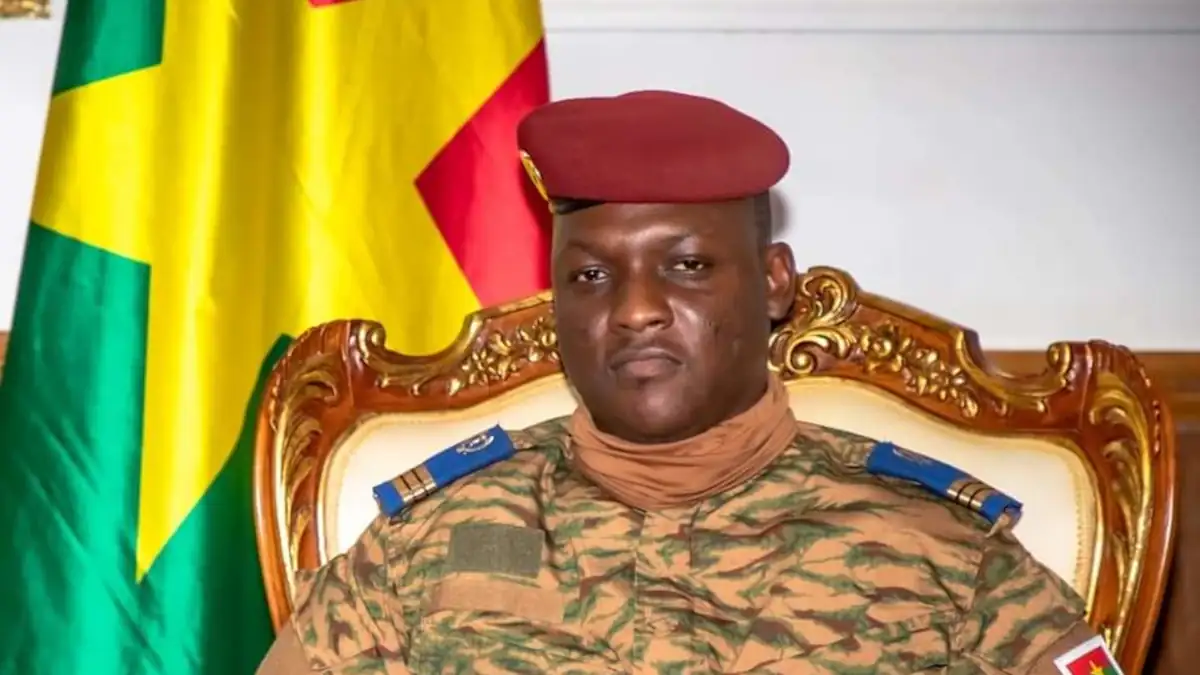
During a press conference on September 27, 2026, Burkinabè President Ibrahim Traoré addressed the possibility of introducing a common currency for the Alliance des États du Sahel (AES) countries, comprising Burkina Faso, Mali, and Niger. He hinted at the potential for such a development but provided no specific timeline. The idea of a common currency has been a topic of discussion among AES member states, which also aims to establish a confederal bank, unified media, and a joint force.
The press conference was part of a grand entretien, a comprehensive interview, where journalists posed questions on various initiatives undertaken by the AES. Traoré's response to the query about a common currency was cautious, stating that citizens should "stay tuned" and that developments would be announced in due course. When pressed for a timeline, he mentioned that discussions were ongoing, referencing the existing monetary arrangements within the West African Economic and Monetary Union (WAEMU).
This is not the first time Traoré has commented on the possibility of an AES common currency. In May 2025, during an interview with RT while on an official visit to Russia, he confirmed that creating a common currency was still on the agenda. At the time, he noted that while the process was ongoing, several issues needed to be resolved before such a currency could be introduced. He linked the pursuit of a common currency to the concept of sovereignty, emphasizing its importance for the AES member states.
The idea of a common currency for AES countries has been met with interest and speculation. While no official timeline has been announced, the ongoing discussions reflect the member states' desire for greater economic integration and autonomy. The AES was established to promote cooperation among its member states, particularly in areas such as security, economy, and infrastructure.
Ibrahim Traoré's latest comments have maintained the suspense surrounding the potential introduction of a common currency. The Burkinabè president's emphasis on the need for careful consideration and coordination among member states suggests that any decision will be taken after thorough deliberation. The existing monetary arrangements within WAEMU, of which AES member states are part, may also influence the trajectory of the proposed common currency.
Economic analysts have noted that introducing a common currency can have far-reaching implications for a region, including increased economic integration, reduced transaction costs, and enhanced monetary policy autonomy. However, such a move also presents challenges, such as the need for fiscal policy convergence and the risk of asymmetric shocks. The AES member states will need to weigh these factors carefully as they consider the proposal.
As the AES continues to explore the possibility of a common currency, citizens and economic stakeholders remain attentive to developments. The initiative reflects the region's aspirations for deeper economic integration and cooperation. While no concrete timeline has been announced, the ongoing discussions underscore the commitment of AES member states to enhancing their economic collaboration and sovereignty.
Key points
- The Burkinabè president, Ibrahim Traoré, suggests that a common currency for AES countries is being considered, but no timeline has been announced.
- Traoré had previously indicated in May 2025 that creating a common currency was still on the agenda, but several issues needed to be resolved.
- The proposed common currency is part of broader efforts to enhance economic integration and autonomy among AES member states.