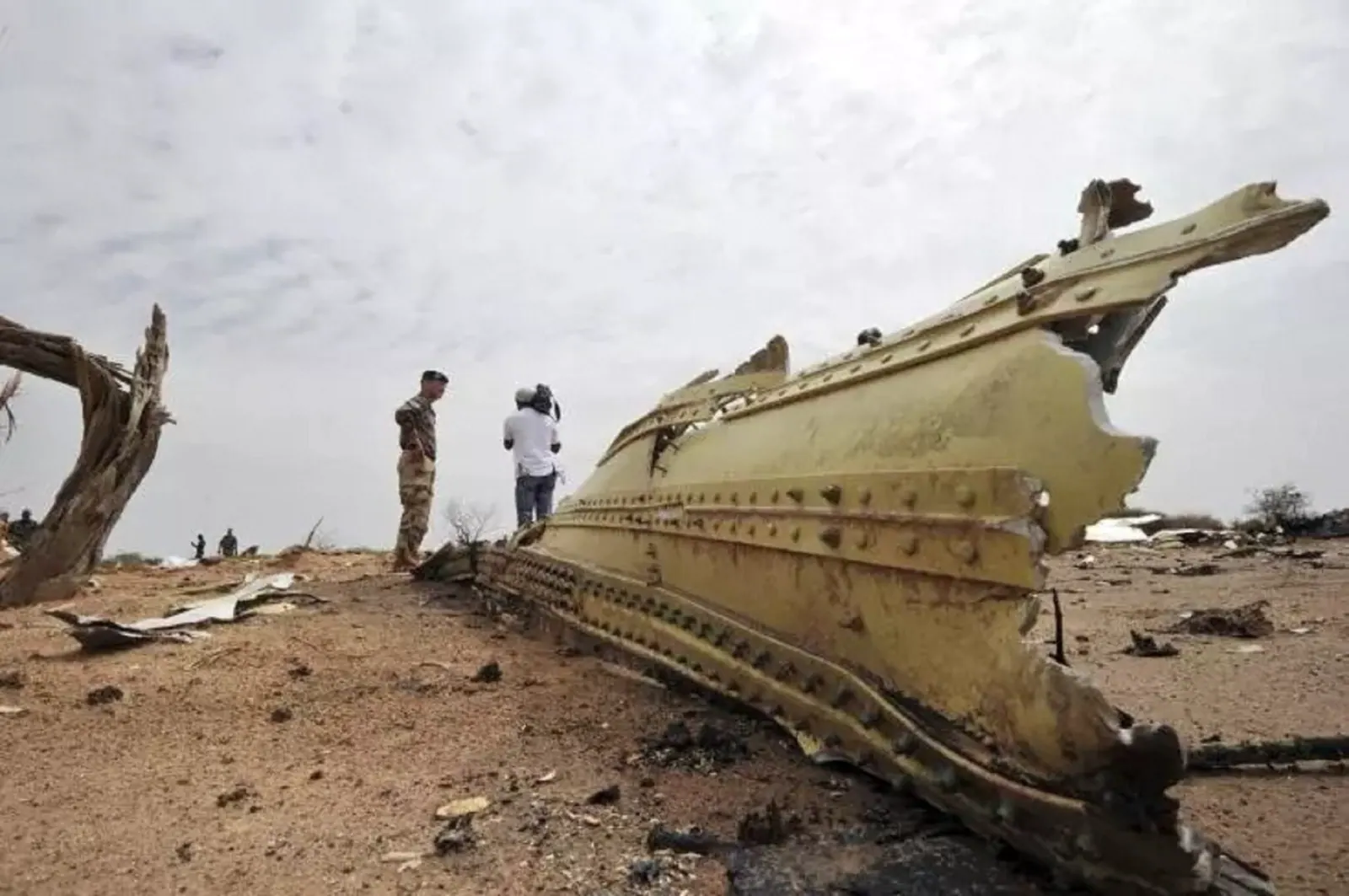
A French court has ruled that Swiftair, the Spanish airline operating the ill-fated Air Algérie flight, was guilty of involuntary manslaughter in the 2014 crash that killed 116 people in Mali. The tribunal correctionnel de Paris imposed the maximum fine of 225,000 euros on Swiftair, finding that the company's negligence in pilot training and oversight directly contributed to the tragedy. The verdict was delivered on September 28, 2026, over 12 years after the crash.
The Air Algérie flight, operated by Swiftair, crashed on July 24, 2014, just 32 minutes after taking off from Ouagadougou, Burkina Faso, en route to Algiers, Algeria. The McDonnell Douglas MD-83 aircraft, carrying 110 passengers and six crew members, crashed near Gossi, Mali, killing everyone on board. The victims included Algerian nationals. An investigation by Malian and French authorities found that ice on the engine sensors caused the autopilot to malfunction, leading to a loss of speed and ultimately, a fatal stall.
The investigation revealed that Swiftair had not provided adequate training to its pilots on handling similar situations. Specifically, the airline had scheduled a training session on stall recovery for November 2014, more than three months after the accident. Furthermore, a similar incident had occurred on June 8, 2014, involving another Swiftair MD-83, where the pilots successfully recovered from a loss of speed by activating the engine anti-ice system and reducing altitude.
The French court found that Swiftair's negligence in pilot training and oversight constituted a direct cause of the crash. The tribunal's decision aligns with the prosecutor's recommendations, rejecting the defense's request for acquittal. Swiftair was the operator of the aircraft, while Balcargo S.L. was the actual owner. The airline's responsibility in ensuring the safety of its passengers was deemed critical by the court.
The crash led to significant recommendations for improving safety standards. The Malian investigation report called for enhanced stall training for MD-80 aircraft and revisions to engine anti-ice protection. These measures aim to prevent similar accidents in the future. The French court's verdict underscores the importance of rigorous pilot training and adherence to safety protocols.
The Air Algérie crash was a devastating incident that highlighted the importance of aviation safety. The victims' families have been seeking justice for over a decade. The court's decision provides some closure, acknowledging the role of Swiftair's negligence in the tragedy. The fine imposed is the maximum allowed under French law for involuntary manslaughter.
The incident has had a lasting impact on aviation safety regulations. The French court's verdict serves as a reminder of the critical role that airlines play in ensuring the safety of their passengers. Swiftair's negligence in pilot training and oversight was deemed a critical factor in the crash, and the airline has been held accountable.
Key points
- Swiftair was fined 225,000 euros for its role in the 2014 Air Algérie crash that killed 116 people in Mali.
- The French court found that Swiftair's negligence in pilot training and oversight directly contributed to the crash.
- The crash led to recommendations for enhanced stall training and revisions to engine anti-ice protection for MD-80 aircraft.