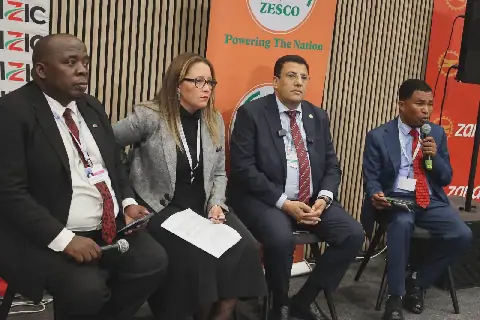
Young innovators from five African countries have developed digital solutions to help hospitals track blood supplies, anticipate shortages, and coordinate the movement of blood between facilities. The innovations were showcased during the Terumo BCT Africa Hackathon 2026, held at Strathmore University in Nairobi. Five finalist teams presented working software prototypes designed to improve the management of blood from donation and storage to transfusion. These projects address challenges arising from fragmented hospital and blood bank information systems.
The Digital Health Agency (DHA) Director of Digital Health and Informatics, Dr. Jeremiah Mumo, emphasized the need for technology that responds to practical challenges within the country’s healthcare system. He called for a system that can predict and provide real-time information on blood availability. The DHA is seeking a system that can give the correct analysis and status of blood in the country. This system would help healthcare workers establish where blood is available, particularly when patients require urgent transfusions.
Team Relay, comprising Kenyan and Nigerian innovators, emerged as the overall winner with HemoGrid, a digital platform that helps hospitals identify available blood stocks and coordinate transfers between facilities. HemoGrid aims to reduce the time hospitals spend making separate inquiries to establish whether other facilities have compatible blood stocks. The platform requires authorized healthcare personnel to approve transfers, ensuring that decisions on blood movement remain under professional oversight.
Kenya’s Medibora team finished second with Providus, a forecasting system that analyzes blood supply and demand to predict potential shortages by blood group and geographical location. Providus focuses on anticipating shortages before they occur by analyzing supply and demand patterns. The system provides information through a digital dashboard and basic mobile phones using Unstructured Supplementary Service Data (USSD) and short message service (SMS).
The other finalists targeted different weaknesses in the blood management chain. Kenya’s UnitTrace focused on improving the accuracy of blood bank records by identifying duplicate entries, missing information, and unusual data requiring verification. Damu Signal, developed by innovators from Rwanda and Nigeria, demonstrated a forecasting platform capable of projecting a hospital’s blood requirements up to 14 days in advance.
TrustLedger, developed by participants from Ghana, Nigeria, and Zimbabwe, focused on monitoring the conditions under which blood is stored and transported. The platform uses information on storage temperatures, electricity supply, transportation conditions, and stock levels to identify blood units that may require additional checks. The demonstrations form part of broader efforts to develop an African Blood Bank Information System that would connect blood centers, hospitals, laboratories, and healthcare professionals through shared information.
The competition brought together innovators aged between 18 and 35 from five African countries under the theme Building Better Blood Systems for Africa. The initiative comes amid persistent concerns over unequal access to safe blood and blood products, particularly in lower-income countries where shortages, inadequate infrastructure, and logistical constraints can affect patients requiring emergency transfusions. However, the technologies showcased at the hackathon are not yet ready for nationwide implementation.
Key points
- Five African teams develop digital solutions to improve blood management across the continent.
- The innovations aim to address challenges arising from fragmented hospital and blood bank information systems.
- The digital tools are not yet ready for nationwide implementation, requiring further technical assessment, testing, and regulatory consideration.