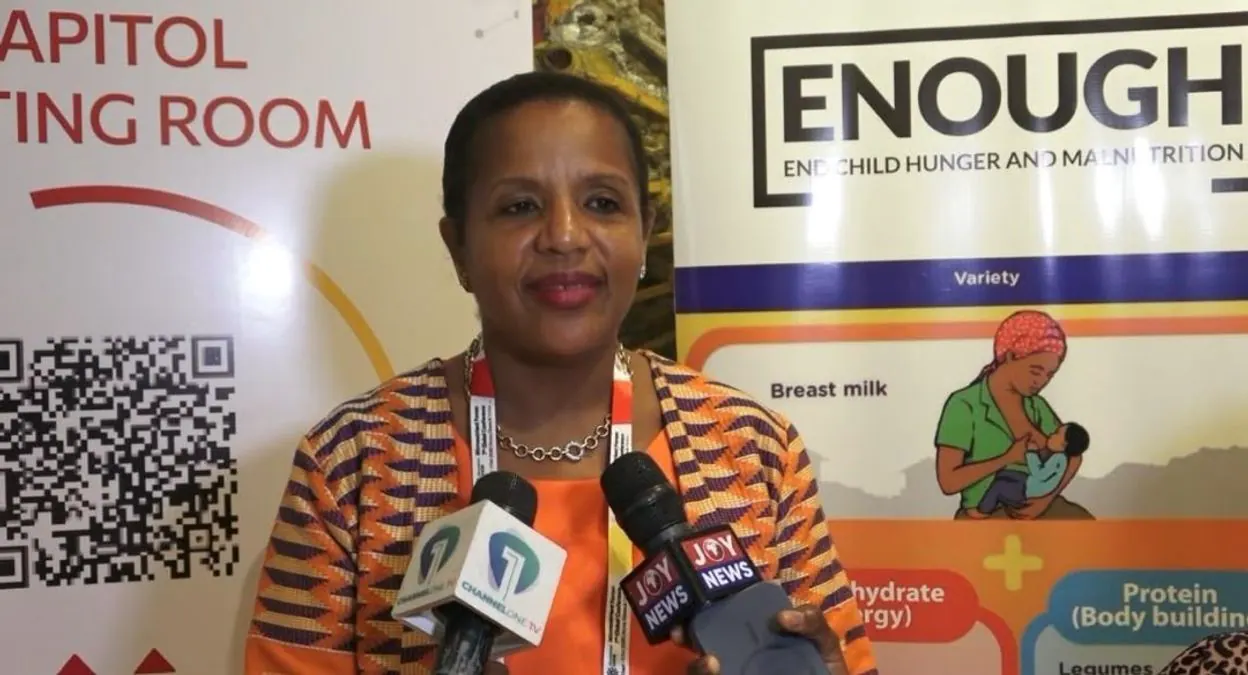
World Vision Ghana has urged the country's School Feeding Programme to source food directly from local communities. This approach aims to improve child nutrition while strengthening farming livelihoods and local food systems. According to World Vision, this strategy will have a positive impact on the lives of children and farmers in Ghana. The call is part of efforts to enhance the country's School Feeding Programme. World Vision believes that local food sourcing will make the programme more effective.
The School Feeding Programme is a critical initiative that provides meals to schoolchildren across Ghana. The programme aims to improve the nutritional status of children, increase school enrollment, and enhance learning outcomes. However, the programme's effectiveness has been hindered by various challenges, including inadequate funding and logistical issues. World Vision's suggestion to source food locally could help address some of these challenges. By supporting local farmers, the programme can also contribute to the country's economic development.
Ghana's agricultural sector is a significant contributor to the country's economy. The sector provides employment to a large percentage of the population and generates substantial revenue from exports. However, the sector faces several challenges, including limited access to finance, inadequate infrastructure, and climate change. World Vision's proposal to support local farmers through the School Feeding Programme could help address some of these challenges. By providing a stable market for local farmers, the programme can help improve their livelihoods and enhance food security.
The Ghanaian government has implemented various initiatives to improve the country's food systems and nutrition outcomes. These initiatives include the School Feeding Programme, which has been expanded to cover more schools and children. However, despite these efforts, malnutrition remains a significant challenge in Ghana. According to the Ghana Health Service, malnutrition is a leading cause of morbidity and mortality among children under five years old. World Vision's call for local food sourcing could help address this challenge.
World Vision Ghana has been working to improve child nutrition and support local farmers through various initiatives. The organization has implemented programmes aimed at enhancing agricultural productivity, improving access to markets, and promoting nutrition education. These programmes have had a positive impact on the lives of farmers and children in Ghana. By supporting local food sourcing, World Vision aims to build on this progress and make a more significant impact.
The benefits of local food sourcing under the School Feeding Programme are numerous. By supporting local farmers, the programme can help improve their livelihoods, enhance food security, and promote sustainable agriculture. Additionally, local food sourcing can help reduce the programme's reliance on imported foods, which can be expensive and of variable quality. This approach can also help promote Ghanaian cuisine and cultural heritage.
Implementing World Vision's proposal will require collaboration between the government, farmers, and other stakeholders. The government will need to provide support for local farmers, including access to finance, markets, and technical assistance. Farmers will need to be organized and equipped to supply high-quality food to schools. World Vision and other organizations will need to provide technical assistance and support to ensure the success of the programme.
Key points
- World Vision Ghana calls for local food sourcing to improve child nutrition under the School Feeding Programme.