The world marked World Cleanup Day on September 20, with Kenya joining the global effort to bring attention to the issue of waste pollution. Established by the United Nations General Assembly in December 2023, World Cleanup Day aims to promote coordinated action against waste pollution and encourage cleaner, more sustainable communities. This year's theme, "From Clean Plates to Clean Cities," highlights the importance of addressing food waste.
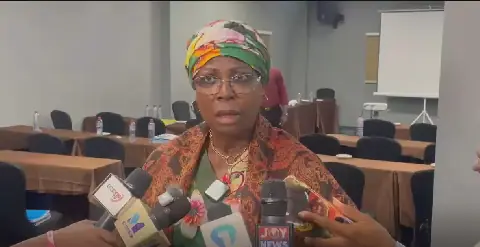
In Kenya, Cabinet Secretary for Environment, Climate Change and Forestry Deborah Barasa led the public in a clean-up exercise. The initiative seeks to drive home the message that keeping cities clean goes beyond collecting rubbish from streets and public spaces; it also involves preventing waste before it is created. According to the United Nations Environment Programme (UNEP), about 1.05 billion tonnes of food were wasted in 2022, equivalent to roughly one-fifth of the food available to consumers.
Households were responsible for about 60 per cent of the food waste, followed by food-service businesses and retailers. The environmental consequences of food waste extend far beyond overflowing bins, with UNEP estimating that food loss and waste are associated with 8–10 per cent of global greenhouse-gas emissions. Wasted food also represents wasted water, land, energy, and labour used to produce, transport, and prepare it.
The challenge of addressing food waste is particularly important for rapidly growing cities, where waste-management systems can come under pressure as populations and consumption increase. UN-Habitat says tackling food waste can help strengthen environmental sustainability, food security, and more resource-efficient and inclusive urban development. By making conscious decisions at home, individuals can significantly impact reducing food waste.
Practical steps to reduce food waste include planning meals, buying only what is needed, storing food correctly, using leftovers, and separating organic waste for composting. These actions can contribute to a significant reduction in the amount of food sent to landfill. The global observance of World Cleanup Day also provides a platform for sharing policies, technologies, and partnerships that can help cities prevent food waste and develop circular economies.
World Cleanup Day goes beyond the traditional image of volunteers picking up litter, with cleanup activities remaining an essential part of the day. These activities help remove waste from public spaces and raise awareness about pollution. The 2026 campaign also highlights the need to examine the systems that produce waste in the first place, encouraging a more comprehensive approach to addressing waste pollution.
The global observance aims to support food security and help build a circular, zero-waste, zero-emissions future. According to Inger Andersen, Executive Director of UNEP, "Reducing food waste makes strong economic sense, delivers real methane cuts, supports food security and helps build a circular, zero-waste, zero-emissions future." By working together, individuals, communities, and governments can make a significant impact on reducing waste pollution and promoting sustainable communities.
Key points
- The theme of this year's World Cleanup Day is "From Clean Plates to Clean Cities," focusing on food waste.
- Households are responsible for about 60 per cent of food waste, followed by food-service businesses and retailers.
- Food loss and waste are associated with 8–10 per cent of global greenhouse-gas emissions.