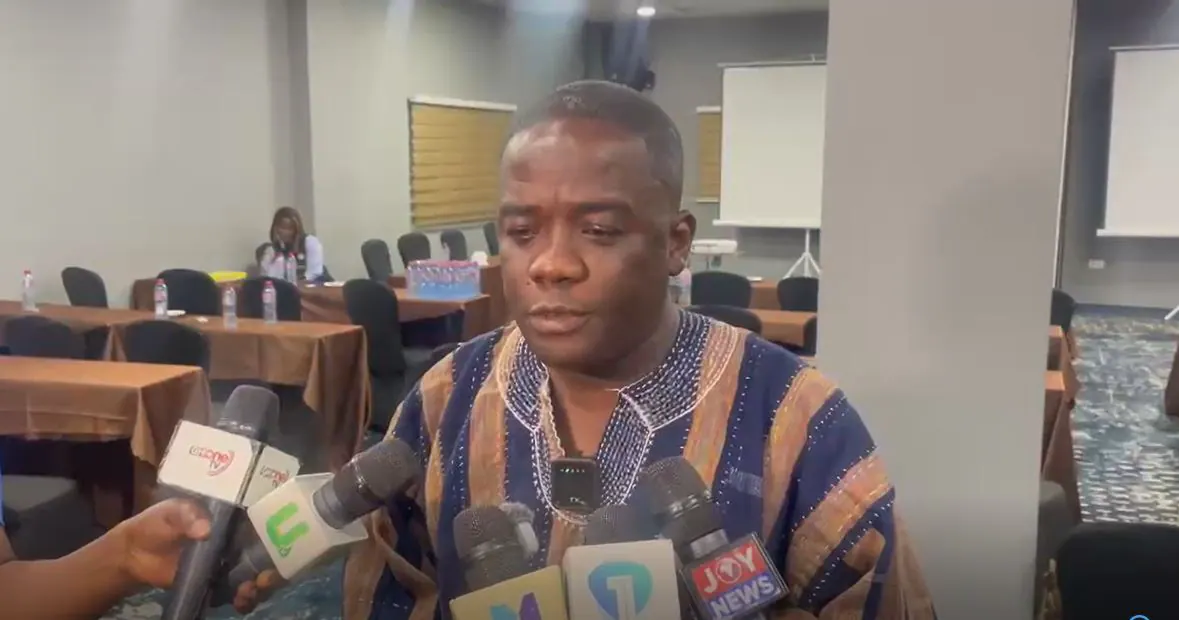
Ghana is facing significant sanitation challenges, and the government needs to do more to address them, according to Ralph Poku-Adusei, Deputy Ranking Member on Parliament’s Select Committee on Sanitation and Water Resources and MP for Bekwai. He stated that while allocating 10% of the District Assemblies Common Fund (DACF) towards sanitation is a step in the right direction, more needs to be done. The Bekwai MP emphasized that current interventions focus on immediate problems rather than underlying causes.
Mr. Poku-Adusei expressed concerns that existing solutions are not providing lasting improvements. He called for a shift from short-term interventions to investments in sustainable waste management and sanitation services. According to him, advocacy for a dedicated sanitation fund aims to ensure sustainable financing for sanitation management across Ghana. This fund would provide a stable source of funding for sanitation projects and help address the country's sanitation challenges.
The 10% allocation of the DACF towards sanitation has been deemed useful, but its effectiveness is being questioned. Mr. Poku-Adusei emphasized that the government should focus on providing permanent solutions to Ghana's sanitation problems. He noted that the current approach is not sufficient and that a more comprehensive strategy is needed to tackle the issue. The Bekwai MP's comments come as the government reviews its approach to addressing sanitation challenges.
The issue of sanitation has become a pressing concern in Ghana, with various stakeholders calling for a more effective approach. The government has begun evacuating decades-old waste heaps in certain areas, such as Jamestown. However, more needs to be done to address the root causes of the problem. Mr. Poku-Adusei's comments reflect the growing concern about the effectiveness of current sanitation initiatives.
Parliament has also called for collaboration between the government and the private sector to improve waste management in Ghana. The Volta Region has been described as the cleanest so far in Parliament’s nationwide sanitation monitoring. However, other regions still face significant challenges. The government has urged Metropolitan, Municipal, and District Assemblies (MMDAs) to enforce sanitation bylaws to curb indiscriminate waste disposal.
The need for a comprehensive approach to sanitation is becoming increasingly clear. Various stakeholders, including civil society organizations and international partners, are urging the government to take a more proactive role in addressing the issue. The International Justice Mission (IJM) has also called on the government to increase and protect child protection funding, highlighting the interconnectedness of sanitation and child welfare.
The government faces mounting pressure to address Ghana's sanitation challenges effectively. While progress has been made, much work remains to be done. The allocation of 10% of the DACF towards sanitation is a step in the right direction, but more needs to be done to provide sustainable solutions to the country's sanitation problems. Key initiatives, such as a dedicated sanitation fund, are being explored to address the issue.
Key points
- The government must do more to address Ghana's sanitation challenges.
- A dedicated sanitation fund is being advocated to ensure sustainable financing for sanitation management.
- Current interventions focus on immediate problems rather than underlying causes.