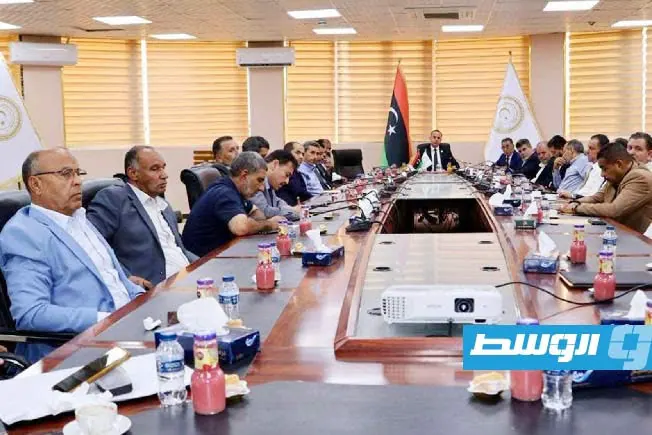
On September 20, 2026, Libyan Education Minister Ghassan Al-Qaryou met with education supervisors from the western and central regions to discuss the new academic year and the readiness of educational institutions. The meeting, which included the Deputy Minister and directors of relevant departments, focused on monitoring the start of the academic year and assessing the preparedness of educational institutions. This comes as protests by teachers continue, with demands for better salaries, improved working conditions, and other benefits.
The protests, led by the Libyan Teachers' Movement, began last week, with teachers going on strike until their demands are met. The movement has announced that it will continue to protest until concrete solutions are reached, warning that it may resort to a general strike if its demands are not addressed. The teachers are seeking improved salaries, payment of delayed financial benefits, and better working conditions, among other demands.
During the meeting, Al-Qaryou emphasized that teachers are the backbone of the education process and pledged to protect their rights and improve their working and living conditions. He stressed that ensuring students' right to quality education is a national priority, alongside providing a stable and safe learning environment. Al-Qaryou also highlighted the importance of monitoring schools and educational institutions to ensure they are ready for the new academic year.
The Education Minister also discussed programs to address the weaknesses of students in reading, writing, and mathematics, and emphasized the need for fair and transparent evaluation and testing processes. He called for the implementation of incentive programs for educational leaders and the development of the educational environment, including providing basic needs such as furniture and equipment.
Al-Qaryou stressed that the success of education reform is a shared national responsibility that requires the cooperation of all stakeholders. He emphasized that building a successful education system starts with empowered and valued teachers, and that students must have access to quality education. The Minister also acknowledged the challenges facing the education sector, including the need to address the shortage of teachers and improve the infrastructure of educational institutions.
The Libyan Teachers' Movement has announced that it has not received any direct communication from the authorities regarding its demands, and has threatened to escalate its protests if its demands are not met. The movement has called for a meeting with the authorities to discuss its demands and find concrete solutions. The protests have raised concerns about the impact on the academic year and the future of education in Libya.
The situation highlights the challenges facing the education sector in Libya, where protests and strikes have become a recurring phenomenon. The government has faced criticism for its handling of the protests, with many calling for a more comprehensive approach to address the underlying issues. The Education Minister's pledge to improve teachers' conditions is seen as a positive step, but it remains to be seen whether it will be enough to address the concerns of the teachers and end the protests.
Key points
- The protests by Libyan teachers have entered their second week, with demands for better salaries and working conditions.
- The Education Minister has pledged to protect teachers' rights and improve their working and living conditions.
- The protests have raised concerns about the impact on the academic year and the future of education in Libya.