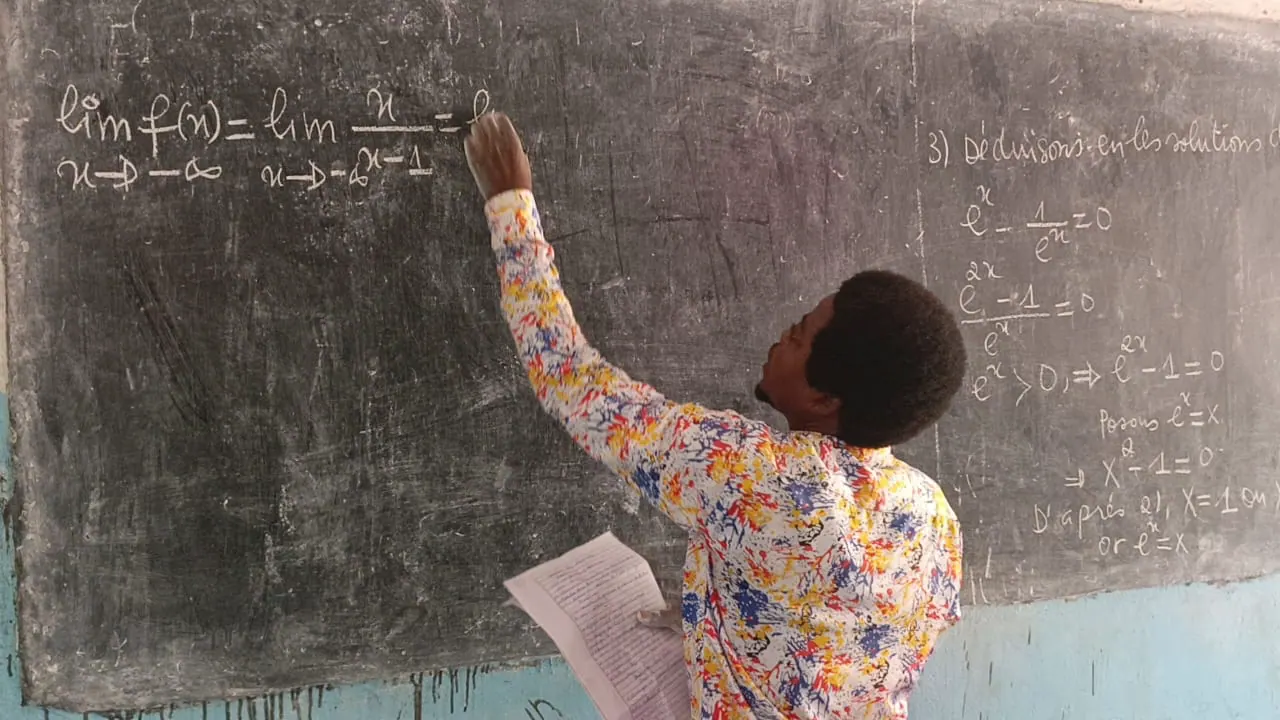
The global education sector is facing a significant challenge in achieving universal primary and secondary education by 2030. According to UNESCO, approximately 50 million more teachers are needed worldwide, with 44 million specifically required for primary and secondary levels. This massive recruitment need arises amid an unprecedented crisis of attractiveness in the teaching profession, marked by deteriorating working conditions and decreasing public recognition.
The 2026 edition of World Teachers' Day, celebrated on October 5, coincides with the 60th anniversary of the 1966 UNESCO-OECD Recommendation concerning the Status of Teachers. This foundational text established international standards for teacher training, recruitment, employment, and working conditions, with a central conviction that teaching is a profession deserving recognition and adequate resources to accomplish its mission. The recommendation is being revised to adapt to profound changes that have transformed the profession.
The revision of the recommendation aims to address emerging challenges such as digital technologies, climate change, migration, and new inclusion requirements. As technology makes knowledge instantly accessible, the teacher's role refocuses on what machines cannot replace: fostering critical thinking, creating a climate of trust, transmitting a love of learning, and accompanying each student's progress. Teachers are no longer just providers of answers but facilitators who teach children to ask the right questions and develop a growth mindset.
In conflict and displacement settings, the tension between heightened expectations and deteriorating conditions is particularly acute. Teachers in these contexts not only transmit knowledge but also play a role in psychological and social stabilization for children facing instability. The 2026 World Teachers' Day theme, "Supporting Teachers: 60 Years of Protecting the Profession, Promoting its Status, and Shaping Our Futures," emphasizes that without massive investment in teacher status, training, and working conditions, quality education for all will remain unattainable.
UNESCO highlights the critical role teachers play in shaping the future of education and, by extension, the future of societies. The organization stresses that the teaching profession requires urgent attention to address the crisis of attractiveness and the need for 50 million more teachers by 2030. This challenge is crucial for achieving the Sustainable Development Goal of ensuring inclusive and equitable quality education for all by 2030.
The global community is called upon to prioritize teacher support and investment in education infrastructure. This includes improving working conditions, providing adequate resources, and promoting the status of teachers. By doing so, governments and stakeholders can help ensure that the teaching profession attracts and retains qualified individuals capable of delivering high-quality education.
As the world commemorates World Teachers' Day, stakeholders are urged to reflect on the progress made since the 1966 recommendation and the work still needed to achieve universal quality education. The theme of the day serves as a reminder of the importance of collective action to support teachers and address the challenges facing the education sector.
Key points
- The world needs to recruit 50 million more teachers by 2030 to achieve universal primary and secondary education.
- The teaching profession is facing an unprecedented crisis of attractiveness due to deteriorating working conditions and decreasing public recognition.
- The 2026 World Teachers' Day theme emphasizes the need for supporting teachers through improved status, training, and working conditions to achieve quality education for all.