As the world observes World Heart Day on September 29, the World Heart Federation is highlighting cardiovascular disease and symptoms that can go unnoticed. The federation's 2026 campaign, "Don't Miss a Beat", aims to raise awareness of cardiovascular disease. According to the World Health Organisation, cardiovascular diseases are the leading cause of death globally, accounting for about 32 per cent of all deaths. In 2022, an estimated 19.8 million people died from cardiovascular diseases, with 85 per cent of those deaths attributed to heart attack and stroke.
In Kenya, cardiovascular diseases are a significant concern, with 32,082 people dying from the condition in 2024, according to World Heart Federation data. The country's age-standardised cardiovascular mortality rate was 127 per 100,000 people. Additionally, data from the Institute for Health Metrics and Evaluation show that cardiovascular diseases accounted for 11 per cent of deaths in Kenya in 2023, equivalent to about 31,400 deaths. Dr Chris van Straten, Global Health Advisor, Clinical Governance at International SOS, emphasized the importance of checking one's heart health regularly.
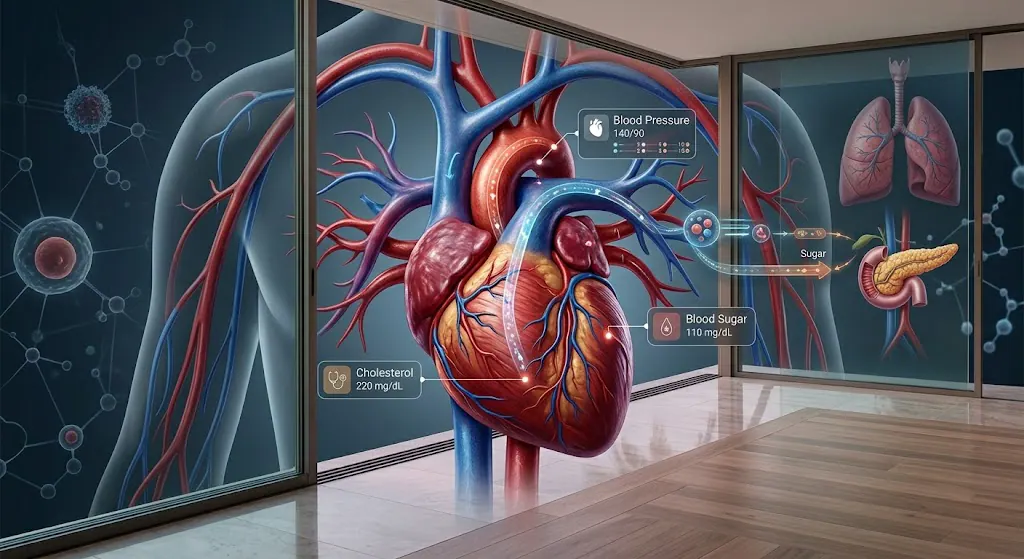
High blood pressure, raised blood sugar, and high cholesterol can develop without obvious symptoms, making regular check-ups crucial. Dr van Straten advised people to go for blood pressure, sugar, and cholesterol tests from a young age. He noted that changing lifestyle patterns in parts of Africa are contributing to growing cardiovascular risks. In many African countries, increasing numbers of cardiovascular disease are being reported due to lifestyle changes.
Hypertension is one of the risks that can go unnoticed, as many people do not experience symptoms. The World Health Organisation estimates that 1.4 billion adults aged 30 to 79 had hypertension in 2024, with about 600 million, or 44 per cent, unaware that they had the condition. In Kenya, hypertension prevalence was 34.7 per cent among women and 31.4 per cent among men in 2019, according to World Heart Federation data.
Dr van Straten suggested that workplaces can provide an opportunity for people to discover the condition early. He described programmes in which workers could privately have their blood pressure checked by a nurse or another trained person at the workplace, followed by education and support where readings were high. Some programmes combined screening with healthier food, opportunities for exercise during the working day, and support for workers who were already receiving treatment.
Prolonged sitting and physical inactivity are also significant concerns for cardiovascular health. Dr van Straten recommended breaking up long periods of sitting with movement, such as short walks and stretching, and incorporating more vigorous exercise several times a week. The World Health Organisation identifies physical inactivity, unhealthy diet, tobacco use, and harmful use of alcohol as major behavioural risk factors for cardiovascular disease.
Dr van Straten also emphasized the importance of addressing lifestyle factors that can increase cardiovascular risk, such as smoking, unhealthy diet, and stress. He recommended reducing highly processed foods, salty foods, and sugary products while eating more fruits and vegetables. Additionally, he advised people not to abandon medical treatment in favour of lifestyle changes alone where a person has been diagnosed with a condition requiring medical care.
Key points
- Cardiovascular diseases are the leading cause of death globally, accounting for about 32 per cent of all deaths.
- High blood pressure, raised blood sugar, and high cholesterol can develop without obvious symptoms.
- Regular check-ups and healthy lifestyle choices can help prevent cardiovascular disease.