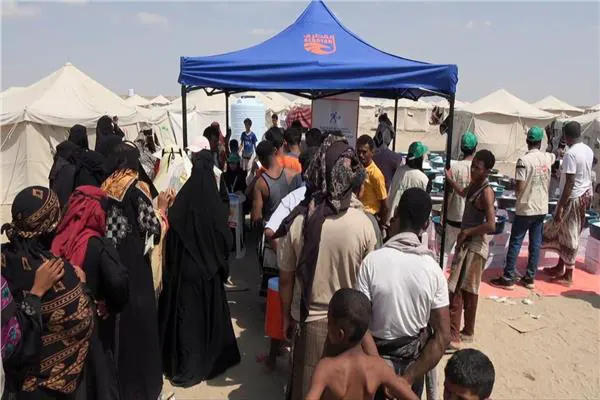
The World Food Programme (WFP) announced on Friday that hunger levels in Yemen are reaching record highs as the conflict in the country intensifies. According to the WFP, the number of people unable to meet their food needs has surged to a record level. This development comes as the conflict between Saudi Arabia and the Houthi movement, which is allied with Iran, has escalated. The situation has led to a significant increase in the number of people struggling to access food.
The conflict in Yemen has been ongoing for several years, with a brief period of relative calm in 2022 following a UN-brokered truce. However, the recent escalation has resulted in tens of thousands of people being displaced. The renewed fighting has also raised concerns about the impact on shipping routes in the Red Sea and the Bab-el-Mandeb Strait. The situation in Yemen remains a major concern for the international community, with many fearing the consequences of a prolonged conflict.
The WFP's findings highlight the dire humanitarian situation in Yemen, where millions of people are struggling to access basic necessities like food and water. The programme has been working to provide food assistance to those in need, but the escalating conflict has made it increasingly challenging to deliver aid. The WFP has expressed concern about the impact of the conflict on civilians, particularly in rural areas where access to food and other essential services is already limited.
The conflict in Yemen has also had a significant impact on the country's infrastructure, with many schools, hospitals, and other critical facilities being damaged or destroyed. The situation has been further complicated by the involvement of external actors, including Saudi Arabia and Iran, which have been supporting opposing sides in the conflict. The international community has called for a peaceful resolution to the conflict, but so far, a lasting ceasefire has not been achieved.
According to reports, the Saudi-led coalition has been carrying out airstrikes against Houthi targets in Yemen, resulting in significant casualties. The Yemeni government has also reported that it has carried out a number of military operations against Houthi forces, resulting in the deaths and injuries of hundreds of people. The conflict has had a devastating impact on civilians, with many being forced to flee their homes to escape the fighting.
The United Nations and other humanitarian organizations have expressed concern about the impact of the conflict on civilians in Yemen. The situation has been further complicated by the fact that many Yemenis are relying on food imports, which have been disrupted by the conflict. The WFP has been working to provide food assistance to those in need, but the organization has warned that it needs more funding to continue its operations.
The crisis in Yemen is expected to have long-term consequences for the country and the region. The international community has called for a peaceful resolution to the conflict, and efforts are underway to broker a ceasefire. However, the situation remains fragile, and it is unclear when the conflict will be resolved. The WFP and other humanitarian organizations will continue to play a critical role in providing assistance to those affected by the conflict.
Key points
- The World Food Programme reports that hunger levels in Yemen have reached record highs amid escalating conflict.
- The conflict in Yemen has resulted in tens of thousands of people being displaced and significant damage to infrastructure.
- The international community has called for a peaceful resolution to the conflict, but a lasting ceasefire has not been achieved.