The World Food Programme (WFP) has sounded the alarm on increasing financial pressures facing its humanitarian operations in Sudan. According to its September country brief, the programme requires urgent funding to sustain current aid levels. WFP's operations in Sudan are at risk due to a significant funding shortfall, which may lead to the depletion of food stocks and cash transfers by the end of October. This development comes as humanitarian needs persist across several states in the country.
In August, WFP reached 120,000 people in Khartoum, with 65,000 receiving cash transfers and 55,000 children under five, pregnant women, and nursing mothers benefiting from malnutrition treatment activities. The programme is set to launch a school feeding initiative in Jebel Uliya in collaboration with the Ministry of Education, targeting 75,000 students in 115 schools. This initiative aims to support the return to school for thousands of children.
WFP's operations extended to 696,000 people in northeast Sudan, across the states of Gedaref, Kassala, Northern, Red Sea, and River Nile. During August, the programme provided in-kind food assistance to 49,000 people and cash transfers to 390,000 individuals. Additionally, school feeding programmes reached 157,000 children in Gedaref and Kassala, supporting the gradual return to educational activities.
In the states of Blue Nile, Gezira, Sennar, and White Nile, WFP interventions benefited 628,000 people in August. This included 143,000 receiving in-kind food assistance and 371,000 benefiting from cash transfers. The programme also targeted 53,000 children under five, pregnant women, and nursing mothers with nutrition activities.
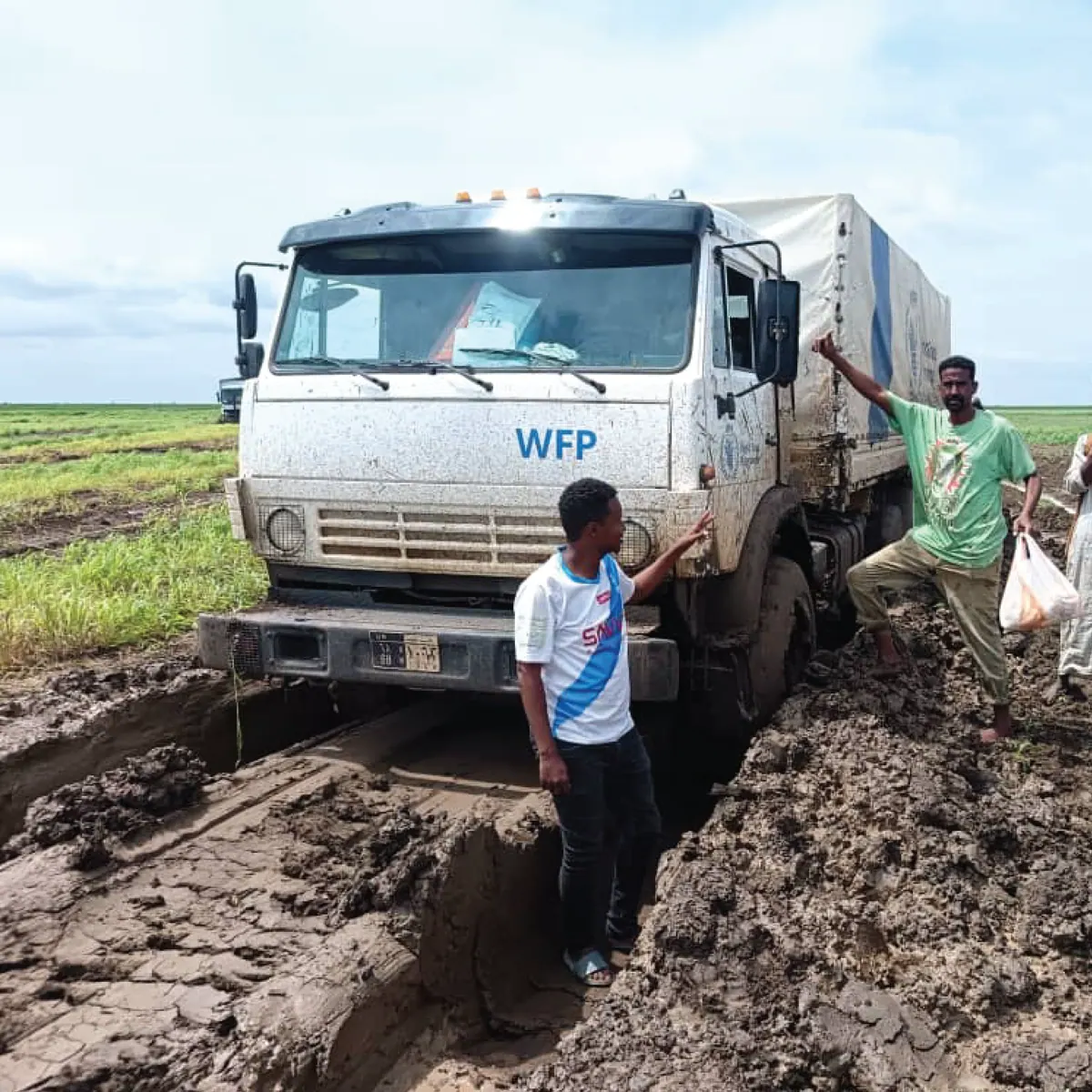
Despite challenges, WFP continued to deliver aid in Darfur and Kordofan, albeit with significant security, administrative, and access hurdles. Recent floods in North Darfur, particularly in Tuli and surrounding areas, have heightened humanitarian needs and complicated aid delivery efforts.
In terms of logistics support, WFP's services facilitated the transportation of 1,286 cubic meters of humanitarian shipments to 12 locations in Darfur and West Kordofan using 29 trucks. The UN's humanitarian air service executed 96 flights in August, transporting 1,111 passengers and 3.39 metric tons of humanitarian cargo.
WFP reported that direct contributions received in 2026 amounted to $249 million. However, the programme urgently needs $431 million over the next six months to maintain current assistance levels, with a total net funding requirement of $591 million for the same period.
Key points
- The World Food Programme requires $431 million in urgent funding to sustain its operations in Sudan.
- WFP's operations in Sudan may cease by the end of October due to a funding shortfall.
- In 2026, WFP received $249 million in direct contributions for its Sudan operations.