The World Bank is prioritizing reliable electricity, infrastructure development, and sustainable job creation in Gabon and Cameroon to support economic diversification and private sector growth. World Bank Vice President for Western and Central Africa, Ousmane Diagana, recently engaged with government officials, business leaders, and civil society representatives in both countries. He stressed the importance of linking investments in energy and infrastructure to productive economic activities that can lead to stronger businesses, increased competitiveness, and quality employment.
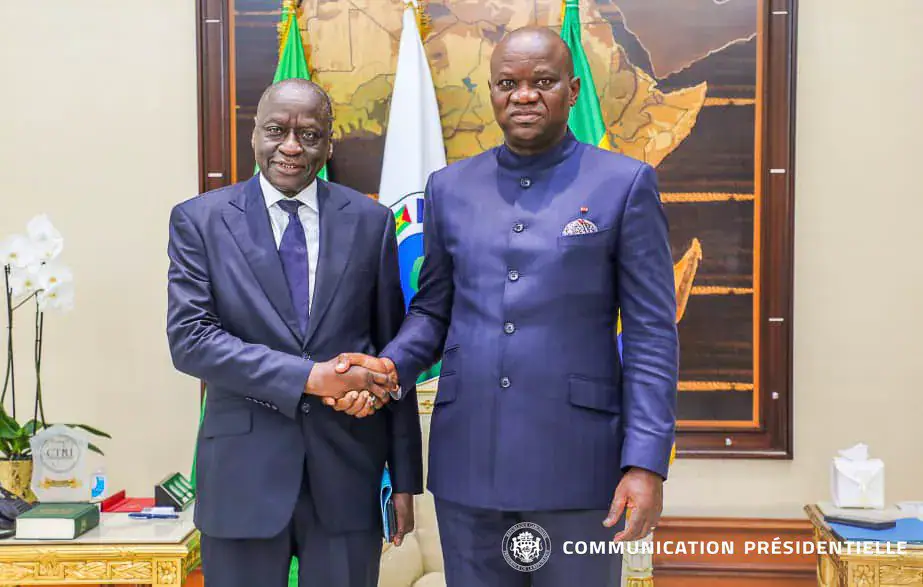
In Gabon, Diagana met with President Brice Clotaire Oligui Nguema to discuss the country's development priorities, focusing on energy, water, infrastructure, and employment. The goal is to reduce Gabon's dependence on extractive industries and encourage domestic industrialization. Discussions also centered on the infrastructure and industrial capabilities needed to support economic transformation, including railways, ports, electricity supply, and local content. Gabon's ability to attract investment in mineral processing and manufacturing will depend on reliable power, efficient transport networks, and a competitive business environment.
Diagana also engaged with young people, entrepreneurs, academics, and civil society representatives in Gabon. Their proposals highlighted the critical role of the private sector in expanding economic opportunities for young Gabonese. In Cameroon, Diagana met with Prime Minister Joseph Dion Ngute to discuss accelerating development projects, particularly those aimed at expanding access to reliable electricity and promoting sustainable job creation. He also met with ministers to discuss the financial sustainability of the electricity sector and improving access to financing for small and medium-sized enterprises.
Cameroon faces electricity supply challenges that affect industrial productivity, business expansion, and household welfare. Despite its considerable hydropower potential and relatively diversified economy, the country continues to struggle with reliable electricity supply. Improving electricity supply is essential to strengthening Cameroon's manufacturing base, supporting agricultural processing, and attracting fresh private investment. Access to finance for small and medium-sized enterprises was another key discussion point, as addressing financing constraints could help local businesses expand and generate employment.
Diagana's engagements in Gabon and Cameroon reflect a broader development challenge facing Central Africa: translating natural resources, infrastructure investments, and economic potential into tangible improvements in living standards. Expanding electricity access, strengthening transport infrastructure, and improving conditions for private enterprise will be critical to achieving more inclusive economic growth. The World Bank Vice President acknowledged the contributions of World Bank Group teams in both countries, emphasizing the importance of local expertise in designing and implementing development programs.
The World Bank's emphasis on project implementation, productive investment, and employment was underscored during Diagana's visits. For Gabon and Cameroon, the ultimate measure of success will be the businesses that expand, the industries that emerge, and the sustainable jobs created for their citizens. While no new financing commitments were disclosed, the engagements highlighted the World Bank's commitment to supporting economic growth and development in the region.
The visits by Diagana demonstrate the World Bank's focus on supporting Central African countries in achieving their development goals. By prioritizing energy, infrastructure, and job creation, the World Bank aims to help Gabon and Cameroon unlock their economic potential and create opportunities for their growing youth populations. The success of these efforts will depend on effective implementation and collaboration between governments, private sector stakeholders, and civil society representatives.
Key points
- World Bank Vice President Ousmane Diagana emphasizes the importance of reliable electricity, infrastructure development, and sustainable job creation in Gabon and Cameroon.