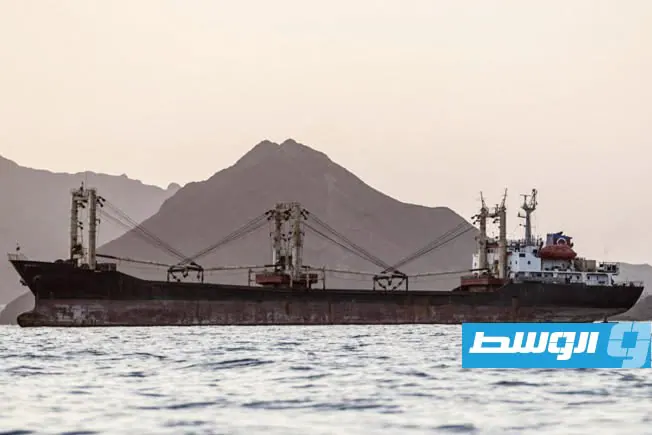
The World Bank has stated that the ongoing conflict in the Middle East is having a profoundly negative impact on the region's economies. According to the bank's latest report, the regional economy is expected to contract by 2.1% in 2026, compared to 3.3% growth in 2025. This downturn is attributed to various factors, including the closure of the Strait of Hormuz, which has had a significant impact on oil-exporting Gulf countries.
The World Bank's report highlights that the conflict's effects extend beyond the energy sector, impacting tourism, aviation, and logistics, as well as creating uncertainty in financial markets and business confidence. The report notes that the Gulf Cooperation Council (GCC) economies are expected to contract by 4.3% in 2026, driven by a decline in exports and subsequent losses in output and government revenues.
In contrast, non-oil importing countries in the region are expected to show resilience, with growth projected to increase to 4.3% in 2026, up from 3.9% in 2025. However, the report also notes that inflationary pressures are rising in most parts of the region, driven by higher food prices and increased import costs due to supply chain disruptions.
The World Bank's report emphasizes that the conflict is exacerbating existing vulnerabilities in fragile and conflict-affected economies. The report notes that poverty is increasingly concentrated in these economies, and the Middle East and North Africa region is the only region globally where poverty levels have risen over the past decade.
The report suggests that if the conflict subsides by the end of 2026, the regional economy is expected to recover, with growth projected to reach 7.8% in 2027, driven by a rebound in hydrocarbon production and exports. However, the report also cautions that the recovery is not guaranteed and that the impact of damaged infrastructure and delayed investments could be felt for an extended period.
World Bank Vice President for the Middle East and North Africa region, Osman Dione, emphasized the importance of protecting the most vulnerable households, restoring productive capacities, and investing in more resilient infrastructure in the energy and transport sectors. Dione noted that these measures are crucial to preventing temporary shocks from becoming permanent losses in human capital, growth prospects, and living standards.
The World Bank report also highlights the potential benefits of artificial intelligence (AI) in the region, with the technology expected to enhance productivity and growth. The report notes that AI is likely to have a more significant impact on productivity than job displacement, with less than 10% of jobs in the region at risk of automation in the near term.
Key points
- The World Bank projects a 2.1% contraction in the Middle East regional economy in 2026.
- The conflict is expected to have a significant impact on oil-exporting Gulf countries, with GCC economies projected to contract by 4.3% in 2026.
- The World Bank emphasizes the importance of investing in more resilient infrastructure and protecting vulnerable households to mitigate the impact of the conflict.