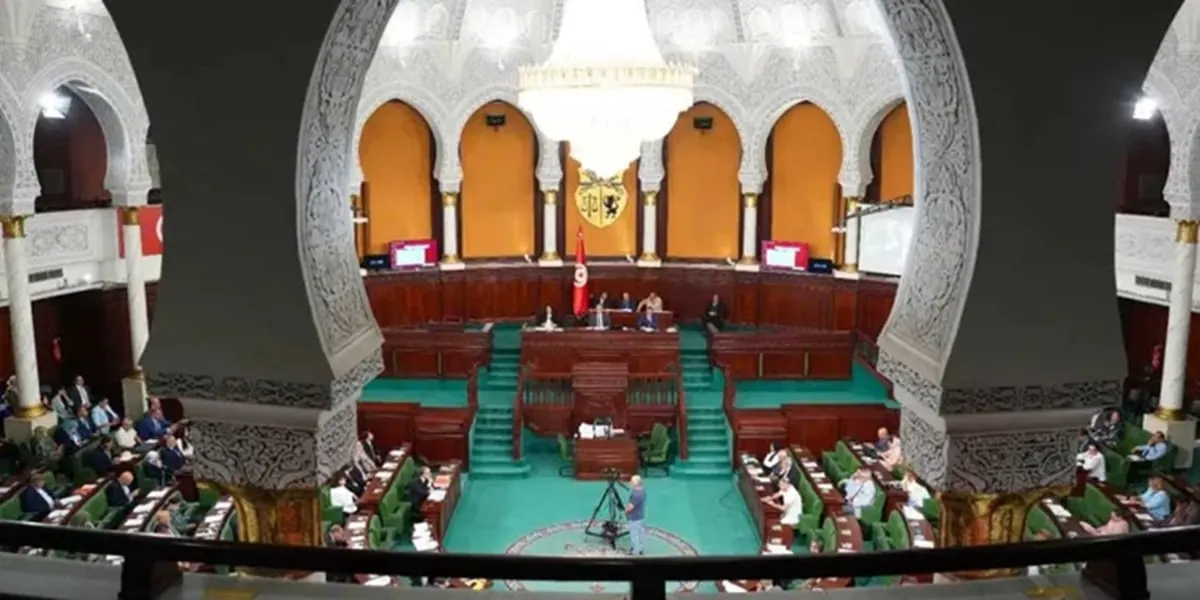
The Tunisian government has revealed its budget project for 2027, focusing on strengthening the country's financial autonomy while preserving its social role. According to the Finance Ministry's report on the execution of the 2026 budget and the orientations for 2027, the main goals include reducing the deficit, increasing own resources, and limiting external borrowing. The government aims to improve the tax system's efficiency by broadening the tax base and integrating the informal economy.
To achieve these objectives, the ministry plans to digitalize the tax and customs administration, utilizing artificial intelligence and data analysis to combat tax evasion and fraud. Additionally, the project involves enhancing non-tax revenues by better managing state assets, improving public companies' performance, and increasing exploitation of national resources. The report highlights the phosphate sector's recovery in production and export as a significant aspect of this strategy.
The government also intends to reassess the use of fiscal advantages, targeting incentives based on their economic, social, and environmental impact. Sectors with high added value and strategic activities for ecological transition will be prioritized. Furthermore, the ministry aims to strengthen the role of community societies in local development by supporting and providing them with access to financing.
On the expenditure side, the 2027 budget project maintains a strong social dimension. Public resources will be directed towards programs and projects with direct economic and social impacts, including continued support for vulnerable categories and preserving the purchasing power of the middle class. The compensation system for fuel, basic products, and transportation will be maintained, with efforts to rationalize these expenses and improve targeting and efficiency.
The project also announces continued recruitment in the public sector, prioritizing university graduates. This move aims to support employment and strengthen specialized human resources in administration while combating precarious employment. The health, education, transportation, and administration modernization sectors will receive particular attention, with an acceleration of reforms and investments.
The Finance Ministry's report emphasizes the importance of controlling the deficit and reducing reliance on external borrowing. By increasing own resources and optimizing public spending, the government seeks to create a more sustainable and equitable economic environment. The project outlines a comprehensive approach to achieving these goals, involving both revenue enhancement and expenditure rationalization.
The Tunisian government's budget project for 2027 reflects its commitment to promoting economic growth, social justice, and financial sustainability. By implementing these measures, the authorities aim to improve the country's economic prospects and enhance the well-being of its citizens. The project's success will depend on effective implementation and the government's ability to balance competing priorities.
Key points
- The Tunisian government aims to strengthen financial autonomy while maintaining the state's social role.
- The 2027 budget project focuses on reducing the deficit, increasing own resources, and limiting external borrowing.
- The government plans to digitalize the tax and customs administration to combat tax evasion and fraud.