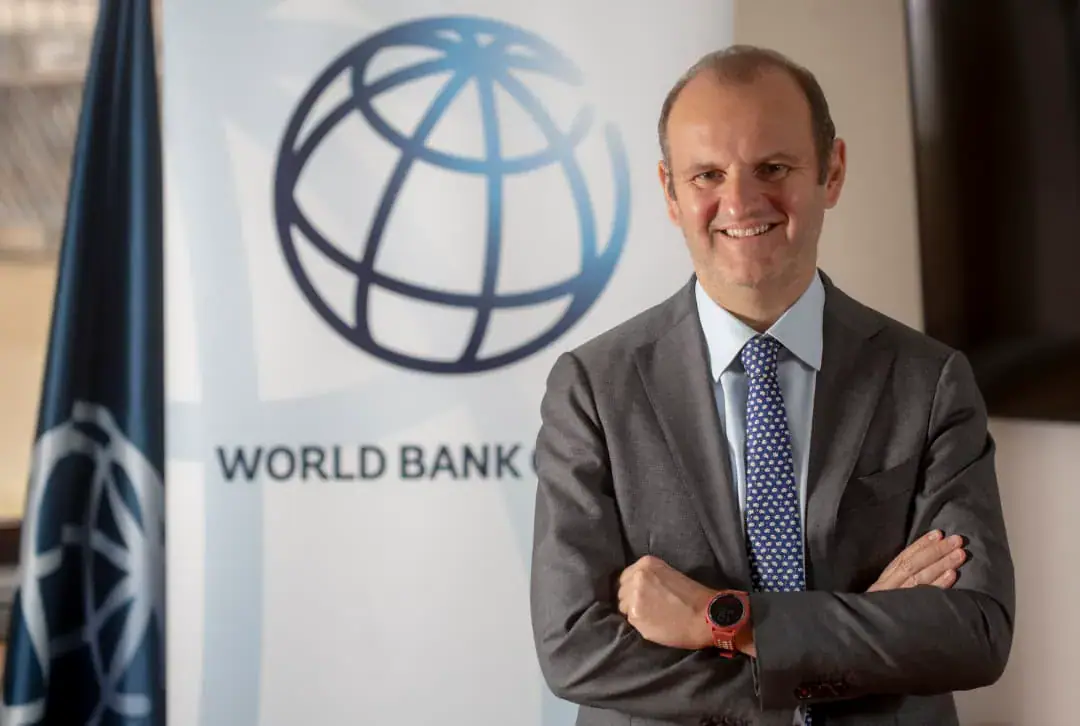
The World Bank's director of division for Chad, Burkina Faso, Mali, and Niger, Nicola Pontara, visited Chad from November 15 to 21, 2026, to assess the impact of the bank's significant financial partnership with the country. The bank has invested over $2.585 billion in Chad, with $994.4 million disbursed as of February 14, 2026. This investment portfolio comprises 11 national operations worth $1.676 billion and 10 regional projects worth $909 million.
Despite the substantial funding injected into Chad's health, energy, agriculture, and infrastructure sectors since 2018, the bank's own evaluations have identified recurring weaknesses in project execution. The bank's independent evaluation group assessed its engagement in Chad between 2010 and 2020, highlighting challenges in achieving sustainable results. While some projects have shown tangible progress, others have struggled to convert funding into visible outcomes.
In the health sector, the Project to Strengthen the Performance of the Health System (P172504) has achieved significant results, with over 12.5 million essential health, nutrition, and population services recorded by March 2026. Six development indicators and 18 of 20 intermediate indicators have been met or exceeded. However, the bank notes that the number of services provided does not necessarily correspond to the same number of unique beneficiaries.
The PROLAC project (P161706) in the Lake Chad basin has also yielded positive results, with 2,400 hectares of agricultural perimeters rehabilitated and 66.4 kilometers of rural roads constructed in Chad. The project has also generated an estimated 50,155 jobs. These examples demonstrate the potential for World Bank funding to drive tangible development outcomes in Chad.
However, not all projects have been equally successful. The energy access project (P174495) had distributed 145,000 solar home systems, benefiting around 1.015 million people, as of December 2025. Nevertheless, its disbursement rate was only 34.24% at that time. The bank's investments in the digital sector also face challenges, with the transformation of the sector pending the effective extension of infrastructure and user access to services.
The mixed results of World Bank investments in Chad underscore the need for improved project execution and more effective translation of funding into sustainable results. While some projects have made significant progress, others require more attention to achieve their intended objectives. The bank's recognition of its own weaknesses in project execution is a crucial step towards addressing these challenges.
As the World Bank continues to invest in Chad, it will be essential to address the existing challenges and ensure that funding is converted into tangible development outcomes. The bank's engagement in Chad will likely remain significant, with ongoing efforts to consolidate its partnership with the country and enhance the impact of its investments. The effectiveness of these efforts will be closely watched by stakeholders.
Key points
- The World Bank has invested $2.585 billion in Chad, with $994.4 million disbursed as of February 14, 2026.
- Some World Bank projects in Chad, such as those in health and agriculture, have achieved significant results, while others, like those in energy and digital sectors, face challenges.
- The bank's own evaluations have identified recurring weaknesses in project execution, highlighting the need for improved implementation and more effective translation of funding into sustainable results.
Reporting sources
- Banque mondiale au Tchad : le temps des résultats · Le Ndjam Post