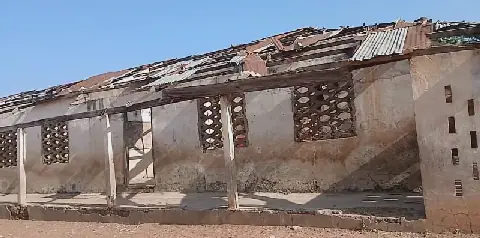
A severe education crisis has unfolded in Libya as thousands of students find themselves out of school. The crisis began when public school teachers, dissatisfied with their pay and working conditions, went on strike. The walkout has left many families, particularly those from lower-income backgrounds, struggling to access education for their children. With public schools closed, only students from affluent families can afford to attend private schools, exacerbating existing inequalities in the education system.
The education crisis in Libya has highlighted the stark contrast between the educational opportunities available to different socio-economic groups. While students from wealthy families continue to attend private schools, those from lower-income families are forced to stay at home, waiting for the public schools to reopen. This situation has raised concerns about the future of education in Libya and the impact of the crisis on the country's children. The unequal access to education has sparked fears that the country's future generations may be compromised.
The Libyan government's inaction in addressing the teachers' demands and ensuring the continuity of the education system has worsened the crisis. The authorities have been criticized for failing to prevent the situation from escalating and for not providing a timely solution. The longer the schools remain closed, the more likely it is that students will fall behind in their studies, which could have long-term consequences for their future prospects. The government is under pressure to find a swift resolution to the crisis.
The consequences of the education crisis in Libya extend beyond the immediate disruption to students' learning. The lack of access to education for many children could have far-reaching effects on the country's social and economic development. Education is a fundamental right, and the government's failure to ensure that all children have access to quality education could undermine the country's future stability and prosperity. The international community has expressed concern about the situation.
Teachers in Libya are demanding better pay, improved working conditions, and greater job security. They argue that their current working conditions are unsustainable and that they are not being fairly compensated for their work. The government has been urged to engage in meaningful dialogue with the teachers to find a solution to the crisis. However, with the standoff continuing, it remains unclear when the schools will reopen.
The education crisis in Libya has also raised concerns about the impact on the country's infrastructure and economy. The longer the schools remain closed, the more likely it is that the country's education system will suffer irreparable damage. The government is under pressure to find a solution that will allow students to return to school and continue their education. The international community is watching the situation closely.
As the education crisis in Libya deepens, it is clear that a swift resolution is needed to prevent long-term damage to the country's future. The government must prioritize the education of its children and work to find a solution that ensures all students have access to quality education, regardless of their socio-economic background. The country's future depends on it.
Key points
- The unequal access to education in Libya has sparked fears that the country's future generations may be compromised.
- The Libyan government's inaction in addressing the teachers' demands and ensuring the continuity of the education system has worsened the crisis.
- The education crisis in Libya has also raised concerns about the impact on the country's infrastructure and economy.