Lundo Island, located on the shores of Lake Nyasa in Tanzania, has recently become a destination for domestic tourists interested in experiencing its rich cultural heritage. The island's cultural significance was highlighted when a group of tourists from Mbamba Bay visited the island and encountered a living account of culture, tradition, and memory. Island elder Vincent Tadei, popularly known as Mzee Magogo, recounted stories and beliefs that have helped shape Lundo's cultural identity across generations.
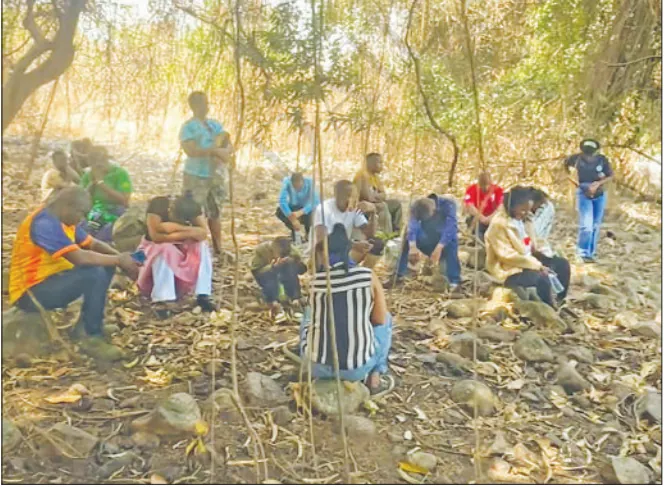
The tourists gathered around an old mango tree, which is closely associated with the history of Lundo Island. According to local tradition and belief, the tree is linked to lepers who lived on or visited the island in earlier times. The visitors participated in a traditional moment of prayer beneath and around the historic tree, close to the lakeshore. Mzee Magogo explained that visitors to Lundo may make prayers through traditional practices by directing their requests towards the island's famous "Wonder Rooster."
The Wonder Rooster is a distinctive part of Lundo's traditional heritage, and its exact age is unknown. Even those responsible for managing the island do not know precisely how long it has lived there. According to Mzee Magogo, the rooster remains within the island's reserve and appears to visitors according to patterns that are not readily understood. Some people arrive hoping to see it and leave without doing so, while others encounter it during their visit.
For the domestic tourists who traveled from Mbamba Bay to Lundo Island, the encounter was particularly memorable. They became the second known group of tourists in 2026 to see the Wonder Rooster. A group of Namtumbo District Council employees who recently visited Lundo was also reported to have seen the bird, while many other visitors during 2026 had not. This experience highlights the importance of preserving cultural heritage and promoting responsible tourism.
Across Tanzania, generations have passed knowledge through elders, stories, sacred places, songs, dances, ceremonies, and traditional practices. Lundo is one of the places where elements of that inheritance remain part of community identity. Mzee Magogo serves a role extending beyond that of a guide, providing a link between the island's past and present. The old mango tree illustrates this point, as it is more than vegetation; it is a physical reference to an earlier period in the island's life and to experiences that shaped how the place is remembered.
Preserving heritage does not mean accepting every traditional belief without question. It means documenting, understanding, and respecting cultural knowledge while ensuring that traditions are presented responsibly and that practices remain consistent with safety, human dignity, and conservation. This approach allows communities to retain their heritage while engaging with changing social realities. People such as Mzee Magogo are important to that process because their knowledge may contain histories unavailable elsewhere.
Local authorities, tourism institutions, researchers, schools, and communities can collaborate to document oral histories, traditional stories, significant sites, and cultural practices associated with Lundo Island. Young Tanzanians can also participate by interviewing elders, recording stories, studying local history, and sharing cultural knowledge responsibly with visitors. Such efforts can turn heritage into a living inheritance rather than something remembered only after it has disappeared.
Key points
- The Wonder Rooster and the old mango tree are significant cultural attractions on Lundo Island, highlighting the importance of preserving cultural heritage and promoting responsible tourism.
- Mzee Magogo plays a crucial role in preserving Lundo's cultural heritage by sharing stories and traditions with visitors.
- Collaboration between local authorities, tourism institutions, and communities is essential for documenting and preserving cultural knowledge and practices associated with Lundo Island.