The 81st United Nations General Assembly is providing a platform for governments to discuss pressing global challenges, while also highlighting the growing role of women in shaping conversations on key issues. According to Sima Bahous, UN Women Executive Director, women's equal share of voice, leadership, and power is crucial to fulfilling promises. At UNGA 81, African women have been prominent in discussions on women, peace, and security, with the African Union calling for greater participation of women in conflict prevention and peacebuilding.
The African Union's push for greater participation of women in conflict prevention, mediation, peace negotiations, and implementation of peace agreements is particularly relevant in the context of the crisis in the eastern Democratic Republic of Congo. Women are no longer seen only as victims of conflict but also as peacebuilders, mediators, and decision-makers. This shift in perspective is a significant step towards promoting women's empowerment and leadership in Africa.
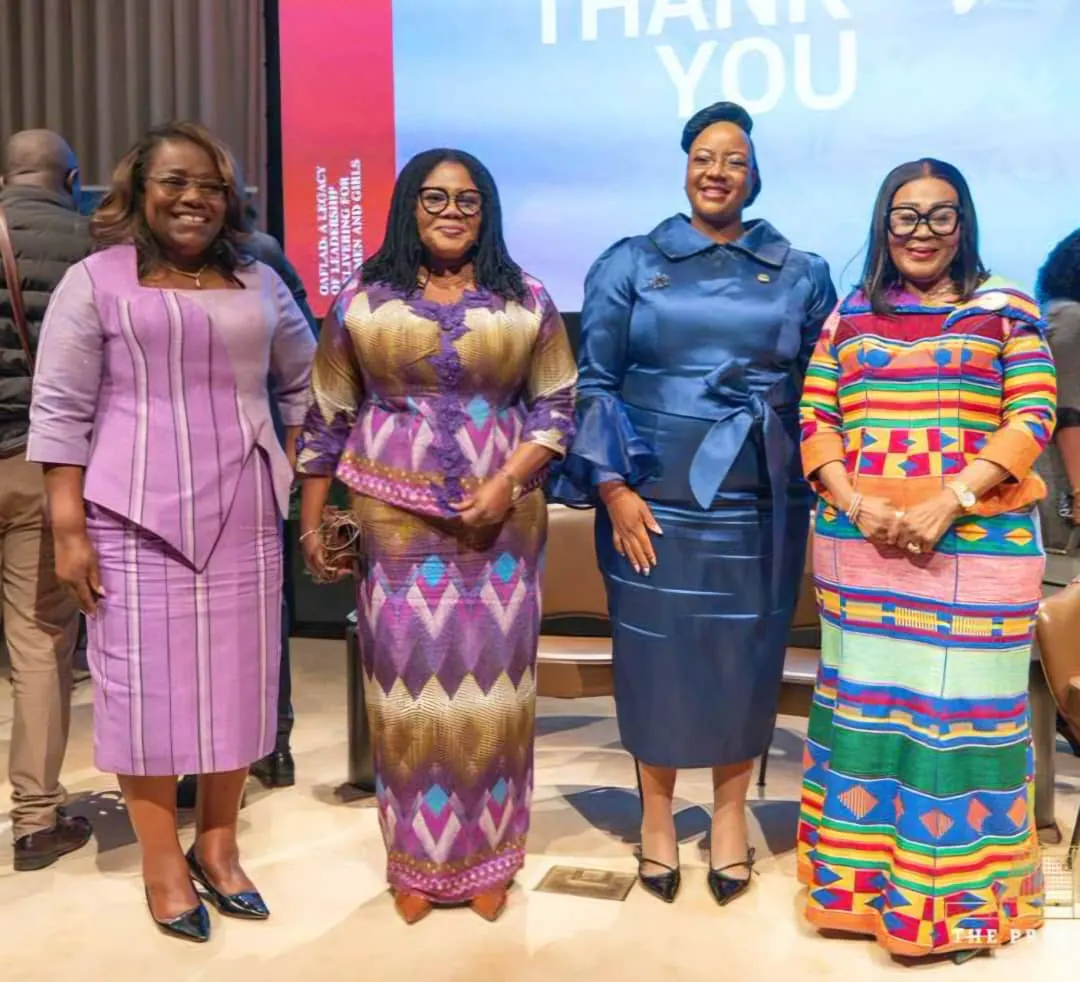
Health, education, and economic empowerment have also been prominent topics at UNGA 81. Through the Organisation of African First Ladies for Development, African leaders have pushed for greater investment in healthcare, education, gender equality, and women's economic empowerment. Ghana's First Lady, Lordina Dramani Mahama, has been part of this conversation, calling for stronger investment in healthcare, education, and economic opportunities for women and girls.
The interconnectedness of these issues is crucial, as a girl who receives quality education is better positioned to acquire skills and participate in the economy. A woman with access to healthcare and economic resources is better able to support her family and participate in community and national decision-making. This highlights the need for a comprehensive approach to promoting women's empowerment and leadership.
Technology is another emerging area of focus, as artificial intelligence and digital transformation reshape economies and workplaces. There are growing calls for women and girls to have equal access to digital skills and opportunities. For Africa, the challenge is to ensure that the digital revolution does not reproduce existing inequalities, but rather promotes women's empowerment and leadership.
The conversation at UNGA 81 points to a broader shift, as women move from being discussed mainly as beneficiaries of development to being recognised as contributors to policy, peacebuilding, technology, business, and governance. However, visibility alone is not enough; the real test is whether women's participation translates into influence over policies, budgets, institutions, and decisions.
For Ghana, the message from New York should extend beyond speeches and international commitments, and be reflected in classrooms, hospitals, workplaces, businesses, political institutions, and the digital space. The question is no longer simply whether women are in the room, but whether they have a meaningful voice in determining what happens in that room, and ultimately, whether that voice translates into measurable improvements in the lives of women and girls.
Key points
- Women's equal share of voice, leadership, and power is crucial to fulfilling promises.
- African women are pushing for greater participation in conflict prevention, mediation, peace negotiations, and implementation of peace agreements.
- The conversation at UNGA 81 highlights a broader shift, as women move from being discussed mainly as beneficiaries of development to being recognised as contributors to policy, peacebuilding, technology, business, and governance.