The United States is set to hold its midterm elections on November 3, with all 435 seats in the House of Representatives and 35 out of 100 seats in the Senate up for grabs. Additionally, 36 states will vote on their governors. Currently, women make up 28.4% of Congress, with a total of 152 women serving in the House and Senate, a record high. However, this number is still disproportionate to their 51% representation in the US population.
The representation of women in Congress varies significantly between the Democratic and Republican parties. There are currently 95 Democratic women and 30 Republican women in the House of Representatives. According to Kelly Ditmar, a research director at the Center for American Women and Politics, the Democratic Party has more support for female candidates, with many organizations encouraging women to run and helping them prepare, often with a liberal or non-partisan focus.
Despite progress, women still face significant obstacles in entering politics. Ditmar cites structural issues, such as expensive campaign costs and limited access to wealthy donors, as major barriers. Additionally, cultural stereotypes about women's roles and abilities can also hinder their participation. Women are often considered "newcomers" in politics, and their path to leadership positions is frequently blocked by traditional power structures.
The Senate, in particular, poses significant challenges for women. With only 100 seats and a longer term of six years, opportunities for women to enter the Senate are limited. Currently, women hold 27% of Senate seats, with 16 Democrats and 11 Republicans. According to Ditmar, the Senate's structure and longer terms make it more difficult for women to win seats, especially for those without prior experience.
The midterm elections will also see a historic bid by Peggy Flanagan, a Democrat from Minnesota, who, if elected, would become the first Native American woman to serve in the Senate. Flanagan, a member of the Ojibwe tribe, currently serves as lieutenant governor of Minnesota and has been leading in recent polls. Her candidacy represents a milestone for representation and diversity in US politics.
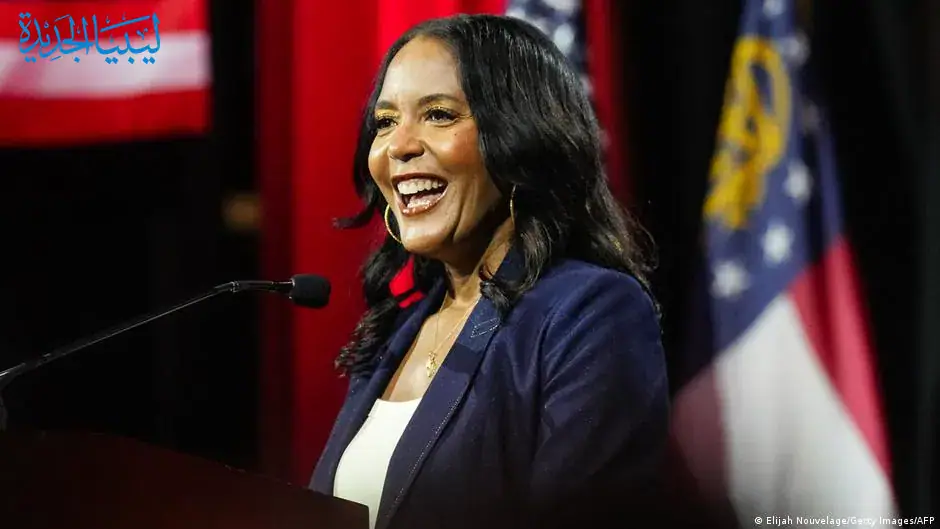
In the gubernatorial elections, several women are vying for top spots, including Amy Klobuchar in Minnesota and Stacey Abrams in Georgia. Klobuchar, a senator since 2007, is a strong contender in her state, while Abrams, a former minority leader, has garnered significant attention and support, including an endorsement from former President Barack Obama.
The outcome of these elections will have significant implications for women's representation in US politics. While progress has been made, the road to parity remains long. Key points to watch include:
Key points
- The number of women running for office is at an all-time high, but obstacles persist.
- The Democratic Party has more female candidates and supportive organizations.
- The Senate poses unique challenges for women due to its structure and longer terms.