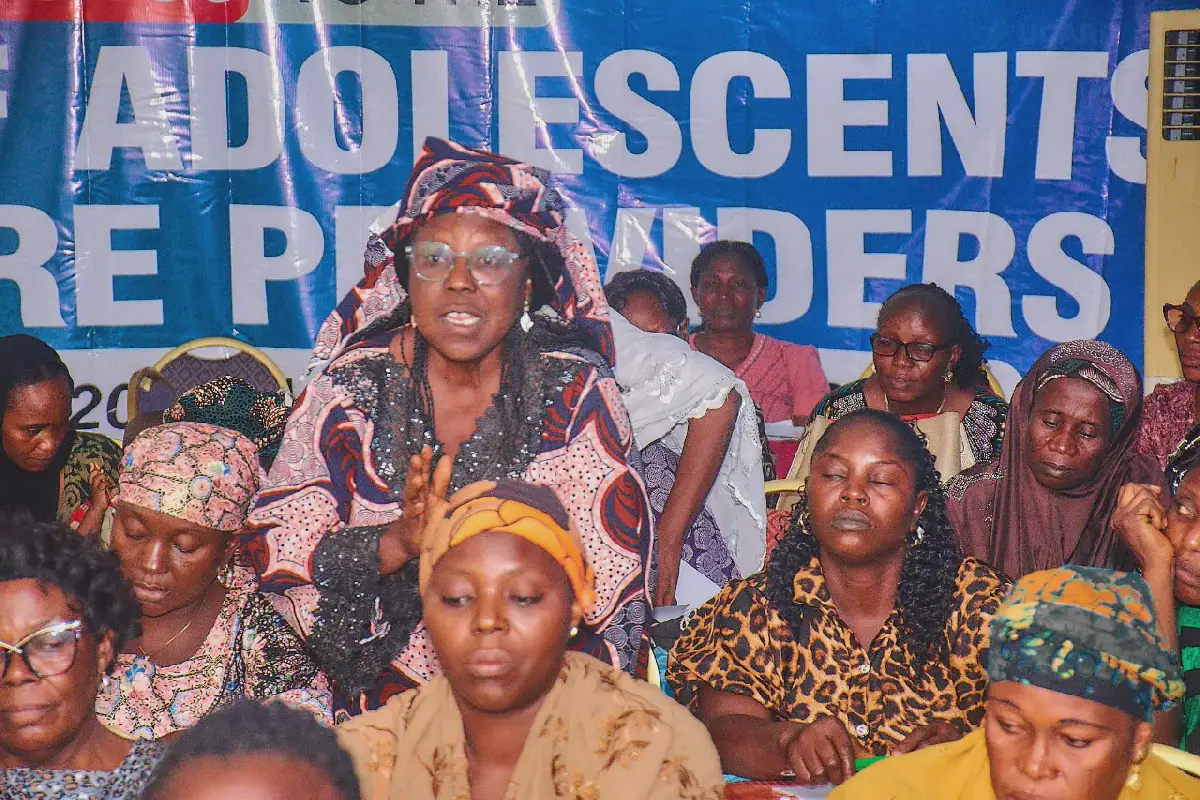
The Kogi State Adolescent Girls Initiative for Learning and Empowerment (AGILE) Project has started training healthcare providers from the state's 21 local government areas. This initiative aims to improve access to adolescent- and youth-friendly health services, particularly for girls in secondary schools. The training, which falls under Component 2.2A (Life Skills) of the AGILE Project, seeks to equip healthcare providers with the necessary knowledge and skills to address the unique health needs of adolescents effectively.
Alhaji Ahmed Tijani Oricha, the State Project Coordinator, emphasized that the AGILE Project aims to increase learning opportunities for adolescent girls, improve school enrollment and retention, and ensure a safe and conducive learning environment. He noted that the Life Skills component provides adolescent girls with essential knowledge on personal development, health education, reproductive health, and the prevention of Gender-Based Violence (GBV). The project also engages trained mentors to guide adolescent girls through the transition from childhood to adulthood.
The participating healthcare providers were selected from Primary Healthcare Centres located close to AGILE-supported secondary schools. This strategic placement aims to facilitate timely referrals and improve access to appropriate medical services. Oricha stressed that the initiative promotes inclusive healthcare delivery for adolescent girls, including those with disabilities and other special needs, without discrimination. He urged the participants to take full advantage of the training and apply the acquired knowledge to improve services for adolescent girls in their respective communities.
Mr. Abraham Sunday, a representative of the National Project Coordinating Unit (NPCU) of AGILE, highlighted that the training is intended to strengthen the capacity of healthcare providers to deliver services responsive to the needs of adolescents aged 10 to 19. He identified confidentiality, respect, trust-building, and non-judgmental communication as essential principles in providing effective healthcare services to adolescents. Sunday emphasized that young people are more likely to seek medical advice and support when healthcare providers create a safe, respectful environment.
The training covers various topics, including adolescent sexuality, pregnancy prevention, family planning, and approaches to addressing sensitive health issues affecting young people. Dr. Grace Afolabi, the Reproductive Health Coordinator, Kogi State Ministry of Health, described the training as an important intervention aimed at strengthening adolescent healthcare services at the primary healthcare level. She explained that the initiative would make healthcare facilities more accessible, affordable, and responsive to the needs of adolescent girls.
The AGILE Project has achieved significant milestones, including the renovation of 150 schools and the approval for the rehabilitation of an additional 100 schools. Plans are underway for the construction of 28 mega school structures across the state's 21 local government areas. Furthermore, 25,000 adolescent girls have benefited from Conditional Cash Transfers of ₦40,000 each under the project, aimed at reducing financial barriers to secondary education.
The initiative is expected to strengthen school-to-health-facility referral arrangements and promote accessible, respectful, and adolescent-responsive healthcare services in communities benefiting from the Kogi AGILE Project. The training brought together healthcare providers from the 21 local government areas and featured sessions on adolescent health concerns, safeguarding, and effective communication. Ultimately, the project aims to improve the health, well-being, and educational opportunities of adolescent girls across Kogi State.
Key points
- The AGILE Project aims to increase learning opportunities for adolescent girls and improve access to adolescent-friendly health services.
- The training covers topics such as adolescent sexuality, pregnancy prevention, and family planning.
- The initiative promotes inclusive healthcare delivery for adolescent girls, including those with disabilities and special needs.