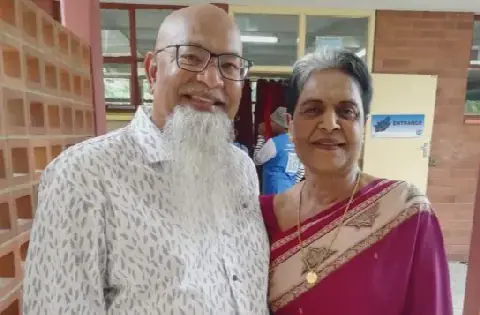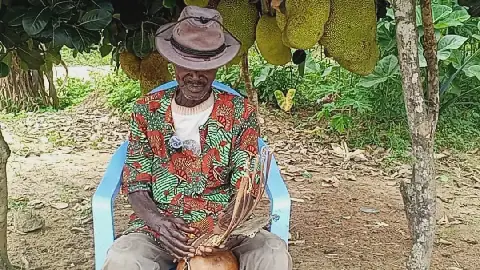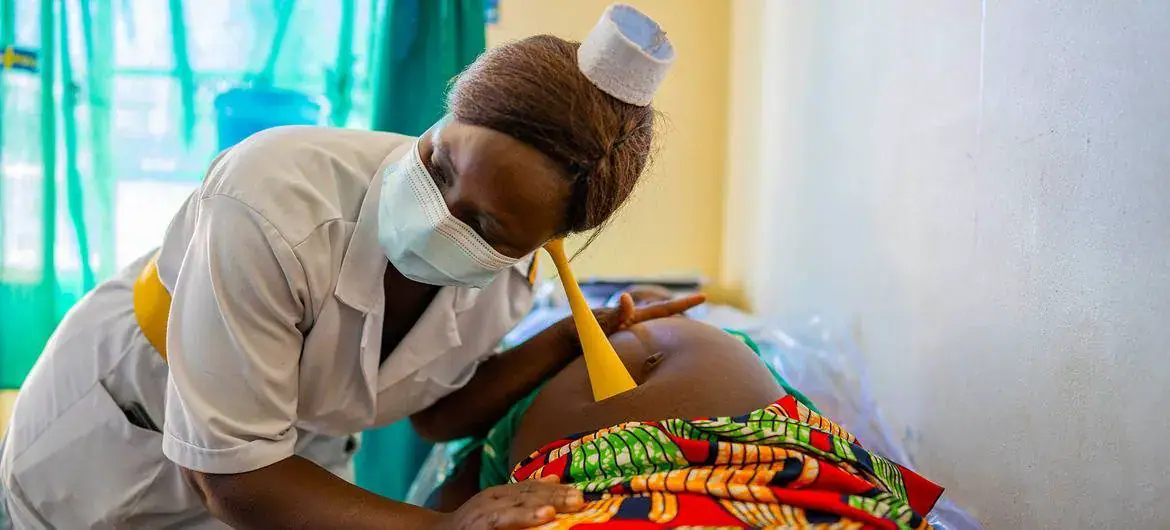
Women in Kuli Papa Boma, Gungji Payam of Juba County, South Sudan, have expressed concerns about the inadequate healthcare services in their area. They warn that pregnant women face significant risks due to limited access to safe delivery options, particularly during nighttime emergencies. The community's healthcare challenges have been highlighted by residents, who are urging the government to address these issues.
Resident Mary Wani emphasized the difficulties expectant mothers face in accessing timely care, which puts both their lives and those of their newborns at risk. She explained that the hospital situation is dire, and if a mother needs to deliver at night, it becomes very difficult. The cost of transportation to Juba, the capital, is approximately 40,000 South Sudanese Pounds, and public transport services typically cease operations around 7 p.m.
The community's primary healthcare center lacks medication, and residents are in need of both medicine and health workers to provide adequate services. Mary Wani urged the government to address these healthcare challenges before the upcoming elections, emphasizing that access to essential medical services should be a priority. She also highlighted that the situation for pregnant women is particularly dire at night, making it nearly impossible to get them to Juba for delivery.
The community is also grappling with a water shortage following the breakdown of its only functioning borehole. Martina Keji reported that the borehole's breakdown has left residents without access to clean drinking water. She urged leaders to prioritize service delivery and address the community's needs. The breakdown of the borehole has exacerbated the community's challenges in accessing fundamental services.
Kuli Papa Boma, located about two hours' drive from Juba, continues to face significant challenges in accessing fundamental services such as healthcare, clean drinking water, and education. Despite its proximity to the capital, residents are struggling to access essential services. The community's healthcare center is not equipped to handle emergencies, and residents are forced to seek medical attention in Juba, which is often unaffordable.
The limited educational facilities in the community also hinder children's ability to receive quality education within their community. Residents are calling on the government to prioritize service delivery and address the community's needs. The community's challenges highlight the need for improved infrastructure and service delivery in rural areas of South Sudan.
The situation in Kuli Papa Boma highlights the need for urgent attention to address the community's healthcare challenges. Residents are urging the government to take action to improve healthcare services and ensure that pregnant women have access to safe delivery options. The community's concerns must be addressed to prevent life-threatening risks to pregnant mothers and their newborns.
Key points
- Women in Kuli Papa Boma face life-threatening risks due to limited access to safe delivery options, particularly during nighttime emergencies.
- The community's primary healthcare center lacks medication, and residents are in need of both medicine and health workers to provide adequate services.
- The breakdown of the community's only functioning borehole has exacerbated the community's challenges in accessing fundamental services such as clean drinking water.