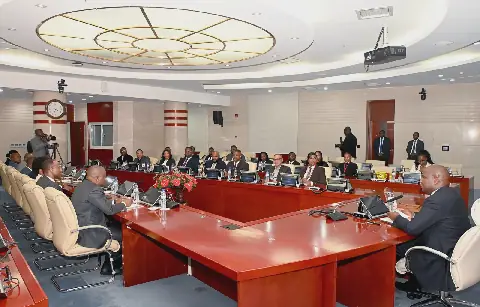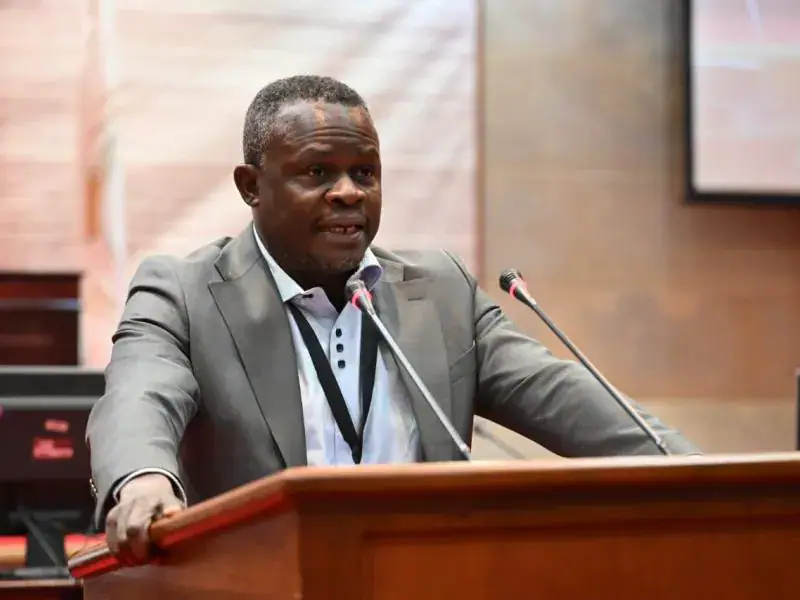
Democratic Republic of Congo's Deputy Garry Sakata has proposed a law aimed at combating tribalism and xenophobia in the country. The law, if passed, would prevent ministers from appointing directors of their cabinet from their own province. This move is part of Sakata's efforts to promote national representation and merit-based appointments. The proposed law has sparked debate, with some questioning its potential impact on the country's governance. Sakata's proposal has been detailed in a live discussion on social media.
The proposed law seeks to regulate cabinet appointments at all levels of government. If passed, it would bar a minister from appointing a director of their cabinet from the same province. Similarly, a governor would not be able to appoint a director from the same territory, and an administrator of a territory would not be able to appoint someone from the same sector or groupement. These provisions are outlined in Article 9 of the proposed law. The goal is to promote diversity and prevent tribalism in government appointments.
The proposed law also seeks to regulate the composition of cabinets. Initially, Sakata's proposal included a quota system, which would have prohibited a cabinet from having more than 30% of members from the same tribe or province. However, after consultations with various stakeholders, Sakata has revised his proposal, leaving it to the Prime Minister or governor to determine the proportion of members from different provinces or tribes by decree. The non-compliance with this proportion would constitute a new offense, known as "abuse of tribal power."
Sakata has defended his proposal, arguing that it is necessary to promote national representation. He claims that there are competent individuals in all 26 provinces of the country and that political parties should be able to find suitable candidates from different provinces. According to Sakata, the law on political parties requires them to have national representation, and therefore, they should be able to identify competent individuals from various provinces.
The proposed law has raised questions about its potential application to the Presidency and Parliament. Sakata believes that the law should apply to all branches of government, including the Presidency. He notes that President Felix Tshisekedi has set a good example by not appointing directors of his cabinet from his own province. However, the issue of how to verify an individual's tribal affiliation remains unclear.
The proposed law has sparked debate, with some questioning its potential impact on governance. Critics argue that the law could lead to more bureaucracy and complexity in government appointments. Others have expressed concerns about the potential for abuse of power and the difficulty in verifying tribal affiliations. Sakata has dismissed these concerns, arguing that the law is necessary to promote national unity and combat tribalism.
The proposed law is part of a broader effort to combat tribalism and xenophobia in DR Congo. Sakata has been a vocal advocate for this cause, and his proposal has been welcomed by some as a step towards promoting national representation and merit-based appointments. However, the law still needs to be debated and approved by the National Assembly before it can come into effect.
Key points
- The proposed law aims to prevent ministers from appointing directors of their cabinet from their own province.
- The law seeks to regulate cabinet appointments at all levels of government and promote national representation.
- The proposed law has sparked debate, with some questioning its potential impact on governance and the difficulty in verifying tribal affiliations.