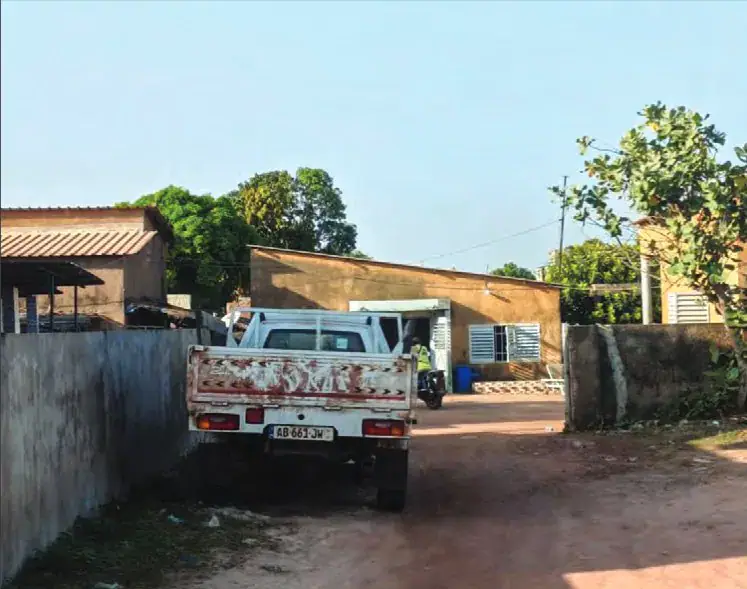
In the town of Diaobé, located in the Kolda region of southern Senegal, women are facing significant challenges in accessing sexual and reproductive healthcare. The town's bustling weekly market, which attracts thousands of people from across the region, has created a mobile population that often prioritizes economic necessity over health needs. As a result, many women are experiencing delayed prenatal consultations, increased risk of sexually transmitted infections, and limited access to family planning resources.
The local health post, which serves as a major healthcare hub for the region, is struggling to meet the demands of the population. With over 50 general consultations recorded daily, the healthcare workers are doing their best to adapt to the needs of the community. However, the post's resources are limited, and the healthcare workers often have to rely on makeshift solutions to provide care. The situation is further complicated by the fact that many women in the area are temporary residents, staying in Diaobé only during the market season.
Financial constraints are a major obstacle to accessing healthcare in Diaobé. Many women, such as 30-year-old Mariama Diallo, struggle to afford the costs associated with prenatal care and medical treatment. With limited financial resources, women are often forced to prioritize their economic needs over their health, leading to delayed or foregone care. This can have serious consequences, including increased risk of complications during pregnancy and childbirth.
The challenges faced by women in Diaobé are further exacerbated by the lack of access to family planning resources. While some women may be aware of family planning methods, many do not have the necessary information to choose a method that is suitable for their situation. Others may not even be aware that they can access contraceptive services during their stay in Diaobé. This can lead to a higher risk of sexually transmitted infections and unintended pregnancies.
The healthcare workers at the Diaobé health post are working hard to provide care to the community, but they face significant challenges. According to El Hadji Abdou Sène, the head nurse at the post, the facility is seeing a high volume of patients, including 30% of out-of-area patients and 10% of foreign nationals. This puts a strain on the post's resources and makes it difficult to provide adequate care to all patients.
The situation in Diaobé highlights the need for increased investment in reproductive healthcare services, particularly in areas with high mobility and limited access to resources. The local health post is doing its best to provide care, but it needs more support to meet the demands of the community. This includes providing more resources, training healthcare workers, and improving access to family planning services.
The women of Diaobé are calling for greater support and resources to address the challenges they face in accessing reproductive healthcare. By working together, it is possible to improve the health and well-being of women in the area and provide them with the care they need to thrive. The situation in Diaobé serves as a reminder of the importance of investing in reproductive healthcare services, particularly in areas with high mobility and limited access to resources.
Key points
- Women in Diaobé face significant challenges in accessing reproductive healthcare due to financial constraints and the demands of the local market.
Reporting sources
- WalFadjri · WalFadjri