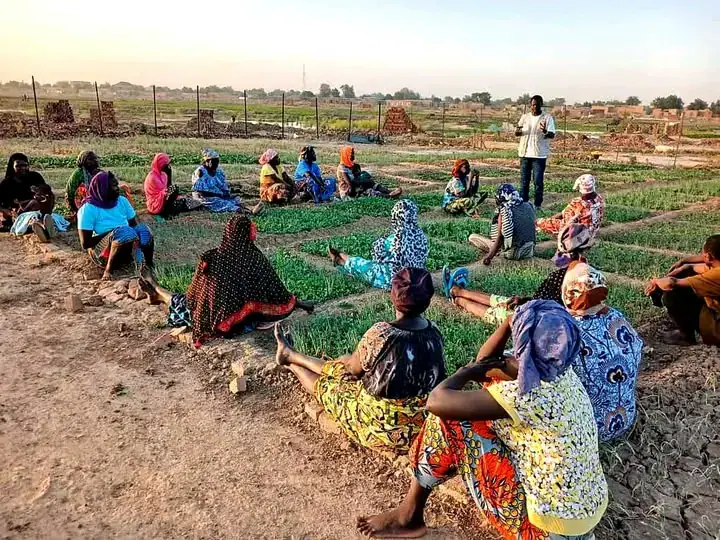
In the 9th arrondissement of N'Djaména, a remarkable transformation is underway. A plot of land that was once exposed to floods and devoid of vegetation has been turned into a productive vegetable garden. The project, supported by the ATPAD and the Ngoumna Women's Cooperative, aims to empower women and promote climate-resilient agricultural practices. The initiative is a beacon of hope in a region where the 2026 agricultural campaign is marked by a severe shortage of rainfall.
The project has not only provided the women with a productive space but also equipped them with the skills and knowledge needed to manage it sustainably. A total of 65 women and young people have received training in agroecology, compost fabrication, natural biopesticide production, agricultural product transformation, and income-generating activity management. This comprehensive approach ensures that the women are not only able to grow crops but also manage their resources effectively.
What sets this initiative apart is the active involvement of the beneficiaries. The women did not just receive a prepared space; they actively participated in its construction. From digging holes for stakes to painting poles, installing fencing, and transporting water, they contributed to every stage of the site's development. This sense of ownership and responsibility has fostered a deep connection between the women and their land.
The project's impact is already being felt. After just five months, the site is thriving, with onions and leafy greens growing under the daily care of the Ngoumna Women's Cooperative members. The availability of water and the development of crops are testaments to the project's success. The cooperative is gradually taking possession of its workspace, with the next step being to consolidate production, strengthen the organization's structure, and support the women in marketing their harvests.
The experience in Ngoumna serves as a powerful example of the potential of local solutions that focus on water management, solar energy, and women's economic empowerment. In a context where drought is affecting agricultural prospects, this initiative demonstrates that with the right support and resources, women can drive positive change in their communities. The project's emphasis on practical training and collective learning has created a sustainable and replicable model.
The Ngoumna Women's Cooperative is a shining example of women's resilience and determination in the face of climate-related challenges. By working together and supporting one another, the women are not only improving their livelihoods but also contributing to the well-being of their community. As the project continues to grow and expand, it is likely to have a lasting impact on the lives of the women involved and the broader community.
As the 2026 agricultural campaign continues to face challenges due to the lack of rainfall, the Ngoumna project offers a glimmer of hope. By promoting climate-resilient agricultural practices, empowering women, and fostering community-led initiatives, the project is helping to build a more sustainable food future for the region. The success of this initiative will likely inspire similar projects in other parts of Chad and beyond.
Key points
- The project has trained 65 women and young people in agroecology and sustainable agricultural practices.
- The women's cooperative has transformed a once-barren land into a thriving vegetable garden in just five months.
- The initiative aims to empower women and promote climate-resilient agricultural practices in the face of drought and climate change.