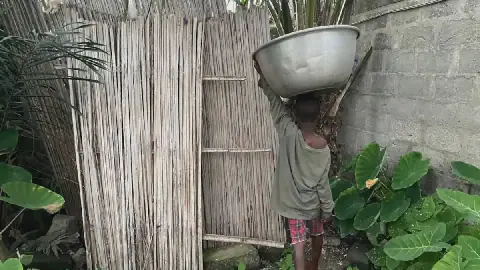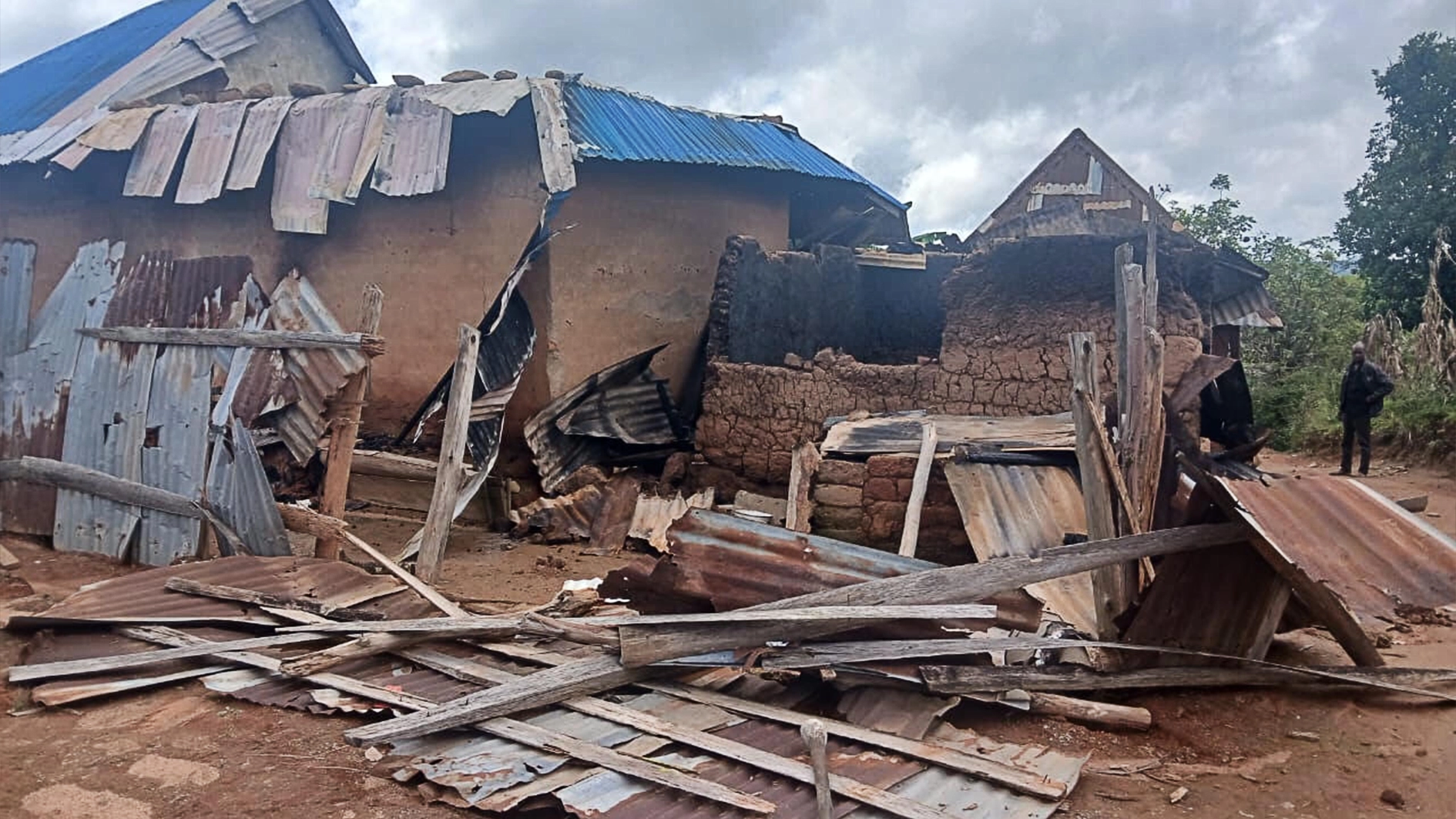
A recent communal conflict in Geroji and surrounding settlements in Mbamnga Ward of Sardauna local government council of Taraba state has resulted in the displacement of over 1,000 people. The crisis, which began on September 16, 2026, has had a devastating impact on the affected communities, with women, children, and the elderly being the most vulnerable. The violence has also led to the destruction of property, including homes, livestock, and food stocks.
According to an investigation, about 340 houses were burnt during the three-day crisis, forcing residents to flee their homes and seek refuge in neighbouring communities and across the border in the Republic of Cameroon. An unverified number of people were reportedly killed in the violence, while several others were said to be missing. A personnel of the Department of State Services (DSS) was among those reportedly killed, according to eyewitnesses and community leaders.
The conflict has resulted in the destruction and loss of livestock, including cattle and sheep, with residents alleging that some animals were killed while others were rustled during the crisis. Community leader Ardo Bashiru stated that the scale of destruction had left hundreds of families facing severe humanitarian challenges. He mentioned that over 340 houses scattered across the mountainous and difficult terrain of Geroji and Mbara were completely destroyed, alongside food stocks and other means of livelihood.
Bashiru appealed to the federal and state governments, individuals, humanitarian organisations, and other stakeholders to urgently intervene, warning that the ongoing rainy season was worsening the plight of the displaced population. He stated that many victims had been left without shelter, food, clothing, and other basic necessities after losing virtually everything to the violence. The affected settlements include Wuro Buba, Wuro Ardo Bashiru, Wuro Wakili Idrisa, Wuro Saleh Petel, Wuro Hassan Jaji, Wuro Alhaji Jibo, Wuro Alhaji Manu, and Wuro Mbarkal.
The council chairman, Alhaji Mohammed Umar, confirmed the incident and stated that the crisis reportedly started following a confrontation between a Mambilla woman and a Fulani man on a farm. Umar described the development as unfortunate and warned that anyone found attempting to undermine the peaceful coexistence among residents would face the full weight of the law. He disclosed that the state government had facilitated the deployment of security personnel to the affected areas to restore and maintain peace.
Umar also disclosed that arrangements had been concluded for the repatriation of refugees who fled across the border to Nyang in the Donga-Mantung Division of Cameroon. He appealed to governments, traditional institutions, development partners, and humanitarian agencies to support efforts aimed at the resettlement, rehabilitation, and reintegration of the displaced population. The Chief of Mbamnga, Alhaji Abubakar Saleh, also appealed for calm, urging residents to preserve the unity and peaceful relationship that had existed among the communities for decades.
The latest incident has renewed concerns over the fragile security situation on the Mambilla Plateau, where previous communal violence in 2017 and 2018 resulted in the loss of hundreds of lives and the destruction of property. With hundreds of homes reportedly destroyed and thousands of residents displaced, the immediate challenge before authorities and humanitarian agencies is the provision of emergency shelter, food, clothing, healthcare, and other essential assistance, while efforts continue to restore security and facilitate the safe return of displaced families.
Key points
- Women, children, and the elderly are bearing the brunt of the violence in the recent communal conflict in Taraba state.
- Over 1,000 people have been displaced, and 340 houses have been burnt in the conflict.
- Authorities and humanitarian agencies face the challenge of providing emergency assistance to the displaced population.