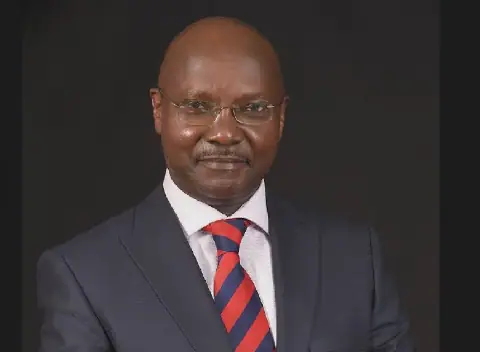
On October 8, 2026, President William Ruto addressed a Recognition of Prior Learning graduation ceremony at State House in Nairobi, challenging the conventional emphasis on formal education. He posed a question about furniture-making in English, highlighting the undervaluation of practical skills in Kenya. Ruto's remarks sparked a wider conversation about national policy and the recognition of informal training. The President emphasized that carpenters, welders, tailors, mechanics, and plumbers have long contributed to the country's development without formal certificates.
The Recognition of Prior Learning system assesses competencies gained outside traditional education and issues certificates to those who pass. So far, 177,338 Kenyans have registered for assessment, with over 108,000 screened and 97,134 completing the assessment. Under the National Youth Opportunities Towards Advancement programme, 63,825 applicants enrolled, and 4,543 sat for the final assessment, resulting in 3,727 certifications. Ruto emphasized that these certificates reflect genuine achievement, earned through skill and dedication.
To bridge the skills gap, the government launched the Fundi Locator National Skills Matching and Exchange Portal. This platform connects verified artisans with employers and customers, shifting job access from connections to connectivity. The initiative is part of a broader employment push, aiming to create more opportunities for skilled individuals. Ruto highlighted the potential for job creation in various sectors, including affordable housing, climate public works, and the digital economy.
The President framed the graduation as an economic reset, focusing on producing job creators rather than job seekers. He stressed that no skill should be wasted due to being learned outside a classroom. The government's efforts aim to promote inclusivity and recognize the value of informal training. By valuing practical skills, Kenya can tap into its workforce's full potential and create more opportunities for economic growth.
Kenya's employment landscape is expanding, with 303,910 affordable housing units under construction, creating over 1.1 million jobs and opportunities. ClimateWorX and green public works programmes have generated more than 45,000 openings, while digital hubs and the digital economy have created over 350,000 digital opportunities. Additionally, over 701,000 Kenyans have secured overseas employment in various sectors.
President Ruto's plans for the education sector include recruiting 120,000 teachers, expanding promotion opportunities, and moving 20,000 contract teachers to permanent and pensionable terms. This marks the largest expansion in Kenya's teaching workforce history, aiming to address the country's educational needs. The President's initiatives focus on promoting economic growth, job creation, and inclusivity.
The government's recognition of practical skills is a significant step towards promoting inclusivity and valuing the contributions of informal workers. By providing a platform for artisans to connect with employers and customers, the Fundi Locator portal can help bridge the skills gap and create more opportunities for economic growth. As Kenya continues to develop, recognizing the value of practical skills will be crucial in harnessing the country's full potential.
Key points
- President Ruto emphasizes the importance of recognizing practical skills, urging a shift from traditional education to valuing informal training.
- The Recognition of Prior Learning system has registered 177,338 Kenyans, with over 97,000 completing assessments and 3,727 certified as competent.
- The government launched the Fundi Locator portal to connect verified artisans with employers and customers, promoting job creation and economic growth.