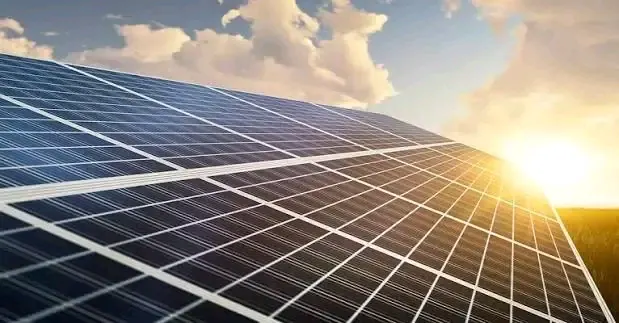
Nigeria's electricity crisis is a complex issue, rooted in low generation, weak transmission, and poor cost recovery. Despite the challenges, the country has made significant strides in solar energy, with 803 megawatts of new solar capacity installed in 2025, up 141 per cent from the previous year. This growth has brought relief to many households and businesses, but experts warn that solar patronage alone cannot solve the country's power crisis.
The country's power sector is characterized by a wide gap between installed capacity and what actually reaches sockets. Nigeria has about 13,625 MW of installed grid-connected generation capacity, but in early 2026, it was averaging just over 4,100 MW hourly. Transmission constraints compound the problem, with the grid technically capable of wheeling up to 8,700 MW but in practice carrying just over 5,800 MW on its best day.
Access to electricity remains low by global standards, with only 61% of Nigerians having electricity access as of 2022, leaving more than 86 million without. By 2024, access had improved modestly to around 62.5%, but over 80 million were still un-served. Even among those "connected," reliability is poor, with many households and businesses receiving only five to six hours of grid supply daily.
The financial backbone of the sector is also weak, with over N10 trillion in public interventions over 13 years failing to lift supply sustainably. Liquidity shortfalls, tariff distortions, and collection problems trap capital across the value-chain. In this context, solar energy, especially off-grid and mini-grid solutions, has become both a coping mechanism and a policy priority.
Energy experts agree that solar patronage is now a central feature of Nigeria's energy landscape, but they stress that it is not a silver bullet for the systemic issues plaguing the sector. Israel Izuchukwu, a solar accessories dealer, notes that the spike in imports shows that Nigerians are increasingly taking power generation into their own hands.
However, cost and financing remain binding constraints. Capital costs for solar projects in Nigeria can be up to seven times higher than in developed economies, while commercial bank interest rates are prohibitive and naira devaluation has made imported equipment and spares "astronomically expensive." Stakeholders in renewable energy highlight the mismatch between finance and project economics.
Policy experts warn against blunt instruments like import bans at this stage, arguing that stabilizing FX access is more impactful than import restrictions. They also point to institutional bottlenecks, including fragmented regulation, weak institutional coordination, and limited access to affordable finance.
Key points
- Solar patronage can substantially reduce the pain of Nigeria's electricity challenges if financing, regulation, and grid integration improve.
- Nigeria's electricity crisis is structural, rooted in low generation, weak transmission, and poor cost recovery.
- Solar growth is privately driven, a response to grid failure rather than a coordinated national transition.