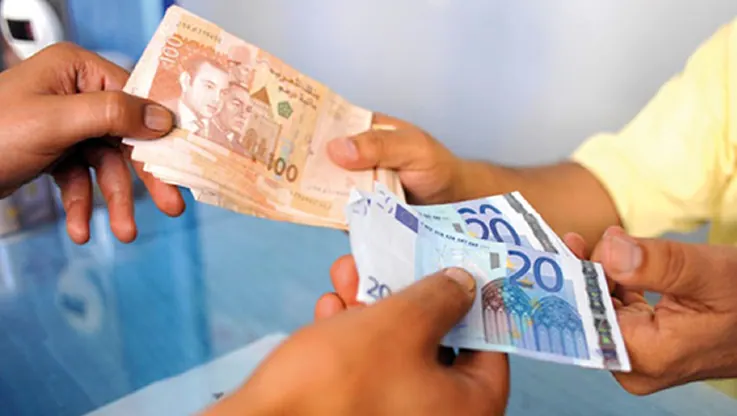
A recent report by the International Fund for Agricultural Development (IFAD) has highlighted the substantial growth in remittances sent by migrants to low- and middle-income countries. In 2025, these remittances reached an estimated $729 billion, surpassing foreign direct investment and official development assistance. This significant flow of funds supports millions of households and communities worldwide, with approximately 220 million migrants sending money to their countries of origin, benefiting around 1.1 billion people.
The report, titled "Sending Money Home 2026," reveals that remittances play a vital role in supporting families and communities, extending beyond their monetary value. These funds help cover essential expenses such as food, healthcare, education, housing, and other daily needs. Global surveys indicate that, on average, 75% of family remittances are allocated to immediate needs, while the remaining 25%, approximately $180 billion annually, is used to build a more secure future through education, improved health, savings, and investments in income-generating activities.
In Africa, the remittance landscape has undergone significant changes over the past decade. The continent has seen a substantial increase in remittances, which have grown by 86% to reach around $124 billion in 2025. The population has increased by 24%, and the number of emigrants has risen by nearly 32% to approximately 46 million. More than half of African emigrants reside on the continent, with Europe being the primary destination for those living abroad, followed by Asia and North America.
Morocco has experienced remarkable growth in remittances, which have more than doubled from $6.4 billion in 2016 to $13.7 billion in 2025. Egypt has surpassed Nigeria as the top recipient country in Africa, with inflows rising from $18.6 billion to $41.5 billion during the same period. Nigeria's remittances have increased moderately, from $19.7 billion to $22.8 billion, while Ethiopia and Kenya have emerged as key markets, joining the top five recipients.
The report highlights that countries with smaller economies tend to rely heavily on remittances. In 2025, these inflows represented 22% of GDP in Gambia and 21% in Liberia, Comoros, and Lesotho, and 11% in Senegal, compared to 7% in Morocco. Despite a decline in transfer costs, Africa remains the region with the highest costs, with an average cost of sending $200 to the continent standing at 7.2% in the third quarter of 2025, down from 9% in the third quarter of 2016.
The IFAD report emphasizes the importance of policies that can amplify the impact of remittances on development. This can be achieved by establishing regulatory and economic frameworks that recognize the role of migrants and their families. Service providers can make remittances safer, more accessible, less expensive, and more transparent. The report also notes the rapid evolution of the remittance market, driven by digitalization, which has led to the emergence of a mixed ecosystem combining traditional agents, banks, and digital platforms.
The growth in remittances is expected to continue, driven by the increasing use of digital services, which reduce costs and enhance the efficiency of transactions. As the report concludes, it is essential to leverage the potential of remittances to support development, by implementing policies and strategies that maximize their impact on households and communities.
Key points
- Morocco's remittances from migrants reached $13.7 billion in 2025, more than double the 2016 figure of $6.4 billion.